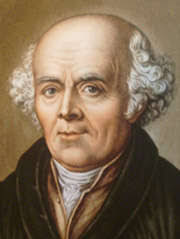

Describes the physical make up, thermal relation, miasm and diathesis of medorrhinum.

Lost your password? Please enter your email address. You will receive a link and will create a new password via email.
Please briefly explain why you feel this question should be reported.
Please briefly explain why you feel this answer should be reported.
Please briefly explain why you feel this user should be reported.
Medorrhinum in Homoeopathy Source: Nosode prepared from sterile gonorrhoeal discharge containing Neisseria gonorrhoeae; introduced by Dr Swan in the 1870s (1,2). Physical Make-up 1. Children: pale, rachitic, dwarfed, stunted; mentally dull; delayed dentition, walking and speech (2,5,6). 2. Adults: pRead more
Medorrhinum in Homoeopathy
Source: Nosode prepared from sterile gonorrhoeal discharge containing Neisseria gonorrhoeae; introduced by Dr Swan in the 1870s (1,2).
Physical Make-up
1. Children: pale, rachitic, dwarfed, stunted; mentally dull; delayed dentition, walking and speech (2,5,6).
2. Adults: phlegmatic, lymphatic, sedentary; pallid, waxy skin; enlarged painless glands; gouty concretions; tender soles; weeping, peevish, impatient (1,4,5,7).
3. Keynote posture: sleeps on knees with face in pillow, or on back with hands overhead (5).
4. Pathology: chronic gleet, urethral stricture, prostatitis, pelvic cellulitis, fibroids, gonorrhoeal rheumatism, sycotic warts, spinal irritation (1,3,7).
Thermal Relation
1. Hot patient: at the sea-shore, lying on face, fresh air, continued motion (1,3).
Miasm
Sycotic: the principal anti-miasmatic of sycosis (Hahnemann’s miasm of suppressed gonorrhoea). Features: fig-warts, benign growths, chronic discharges, damp aggravation, asthma, urogenital and rheumatic disease. Often described as multimiasmatic (syco-syphilitic with psoric overlay) (1,2,3,4,9).
Diathesis
Rheumatic and gouty: indicated in persons of gouty/rheumatic parents when well-selected remedies fail. Strong urogenital-rheumatic axis; also linked to carcinogenic diathesis (scirrhus, carcinoma) (1,2,5,7).
Allied remedies: Thuja, Natrum sulphuricum, Psorinum, Syphilinum, Carcinosinum, Carbo vegetabilis, Silicea, Calcarea carbonica.
References
1. Boericke W. *Pocket Manual of Homoeopathic Materia Medica and Repertory*. 9th ed. Philadelphia: Boericke & Runyon; 1927. p. 412–4.
See less2. Allen HC. *Keynotes and Characteristics with Comparisons of Some of the Leading Remedies of the Materia Medica*. Philadelphia: Boericke & Tafel; 1898. p. 222–6.
3. Little D. Medorrhinum — the gonorrhoeal nosode. *Hpathy* [Internet]. Available from: https://hpathy.com/materia-medica/medorrhinum-the-gonorrhoeal-nosode/
4. Bidani S. Medorrhinum — a well-proven nosode. Available from: https://drbidani.com/publications/professional-articles/materia-medica/medorrhinum-a-well-proven-nosode/
5. Loos JH. Medorrhinum in children’s disorders. *Hpathy* [Internet]. Available from: https://hpathy.com/homeopathy-papers/medorrhinum-in-childrens-disorders/
6. Clarke JH. *A Dictionary of Practical Materia Medica*. Vol. 2. London: Homoeopathic Publishing Co.; 1900. p. 343–52.
7. Boericke W. *Boericke’s Materia Medica* (online). Available from: http://www.homeoint.org/books/boericmm/index.htm
8. Homeobook. Medorrhinum personality in homeopathy — a comprehensive study. Available from: https://www.homeobook.com/medorrhinum-personality-in-homeopathy-comprehensive-study/
9. Hahnemann S. *The Chronic Diseases, Their Peculiar Nature and Their Homoeopathic Cure*. Translated by Tafel LH. Philadelphia: Boericke & Tafel; 1896.