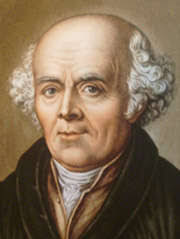

Regarding this points – Disease variety, discharge and color, modalities, causation, sensation, thermal relation, appearance, food desire, appearance, mental state.

Lost your password? Please enter your email address. You will receive a link and will create a new password via email.
Please briefly explain why you feel this question should be reported.
Please briefly explain why you feel this answer should be reported.
Please briefly explain why you feel this user should be reported.
IGraphites, Mezereum & Tellurium: Skin Disease Comparison 1. Disease Variety Graphites: Eczema (especially moist, fissured), impetigo, intertrigo, keloids, cracked skin, thickened cicatrices, nail disorders, blepharitis, otorrhoea[1] Mezereum Eruptions with thick crusts (like lepra), herpes zostRead more
IGraphites, Mezereum & Tellurium: Skin Disease Comparison
1. Disease Variety
Graphites: Eczema (especially moist, fissured), impetigo, intertrigo, keloids, cracked skin, thickened cicatrices, nail disorders, blepharitis, otorrhoea[1]
Mezereum Eruptions with thick crusts (like lepra), herpes zoster, neuralgia with skin eruptions, eczema of scalp, ulcerations, condylomata[2]
Tellurium Ringworm (especially circular lesions), favus, barber’s itch, eczema behind ears, offensive otorrhoea, skin disorders with sharp shooting pains[3]
2. Discharge and Color
Graphites: Thin, watery, sticky, honey-like discharge; transparent, glutinous “honey” oozes from cracks; sometimes thick yellow[1]
Mezereum: Discharge under thick crusts is acrid, corrosive, excoriating; thick yellowish-white pus beneath crusts[2]
Tellurium: Discharge has a distinctive garlicky, fishy, or pungent odor; thin, sometimes bloody[3]
3. Modalities (Better/Worse)
Graphites: Cold air, drafts, during/after menses, warmth of bed[1] (Aggravation)| Open air, cool applications (Amelioration)
Mezereum: Warmth of bed, evening, night, touch, cold damp air[2] (Aggravation)| Open air, wrapping up head (Amelioration)
Tellurium: Rest, lying on affected side, evening, cold air[3] (Aggravation)| Motion, open air, perspiration (Amelioration)
4. Causation
Graphites: Suppressed eruptions, hormonal changes, splinters, obesity, scar tissue[1]
Mezereum: Mercury poisoning, suppressed eruptions, venereal disease history[2]
Tellurium: Ringworm infection, exposure to tellurium fumes, fungal infections[3]
5. Sensation
Graphites: Burning, itching, stinging; raw, sore feeling in cracks; sensation of splinter[1]
Mezereum: Intense itching, especially at night; burning; neuralgic pains[2]
Tellurium: Sharp, darting, shooting pains (keynote); itching; soreness[3]
6. Thermal Relation
Graphites: Chilly patient; worse warmth of bed; cold aggravates eruptions[1]
Mezereum: Chilly, yet worse from warmth of bed (like a hot-water-bottle patient)[2]
Tellurium: Cold patient; burning sensations with general coldness[3]
7. Appearance
Graphites: Cracks and fissures(especially in flexures, behind ears, nipples, fingertips); thick, hardened, leathery skin; keloidal scars; “honey” crusts[1]
Mezereum: Thick, whitish, leathery crusts resembling rupia; underlying skin raw, bleeding; elevated white scabs[2]
Tellurium: Ring-shaped, circular lesions** with raised edges; overlapping rings; well-defined borders[3]
8. Food Desires
Graphites: Aversion to salt, fish, sweets; craving for chicken, beer[1] |
Mezereum: Aversion to meat; craving for coffee, fat, wine[2]
Tellurium: Craving for apples, fried foods, ice cream; aversion to beverages[3]
9. Mental State
Graphites: Indecisive, hesitant, timid; weepy; “weeps at music”; apprehensive[1]
Mezereum: Hypochondriacal, despairing of recovery; religious melancholy; irritable[2]
Tellurium: Restless, anxious; aversion to company; fear of being alone[3]
Key Differentiating Highlights
Graphites = Honey discharge + fissures + indecision
Mezereum = Thick leathery crusts + intense night itching + despair
Tellurium = Ring-shaped lesions + garlicky discharge + sharp darting pains
References
1. Boericke W. *Pocket Manual of Homoeopathic Materia Medica*. 9th ed. Philadelphia: Boericke & Runyon; 1927. p. 314–7, 397–400, 602–4.
See less2. Allen HC. *Keynotes and Characteristics with Comparisons of Some of the Leading Remedies of the Materia Medica*. 4th ed. Philadelphia: Hahnemann Press; 1912. p. 142–5, 200–3.
3. Clarke JH. *A Dictionary of Practical Materia Medica*. Vol 1–3. London: The Homoeopathic Publishing Company; 1900. Tellurium, p. 1182–6.
4. Hahnemann S. *Materia Medica Pura*. Vol 1–2. Translated by Dudgeon RE. London: Homoeopathic Society; 1880. (Source for original provings of Mezereum.)
5. Tyler ML. *Homoeopathic Drug Pictures*. 2nd ed. London: Homoeopathic Publishing Co.; 1942. p. 348–55.