
Discuss treat the patient not the disease

Lost your password? Please enter your email address. You will receive a link and will create a new password via email.
Please briefly explain why you feel this question should be reported.
Please briefly explain why you feel this answer should be reported.
Please briefly explain why you feel this user should be reported.
Treating the Patient, Not the Disease: The Core Philosophy of Homoeopathy This fundamental principle distinguishes homoeopathy from conventional medicine and lies at the heart of its therapeutic approach. Below is a comprehensive discussion of this principle, its theoretical foundations, practical aRead more
Treating the Patient, Not the Disease: The Core Philosophy of Homoeopathy
This fundamental principle distinguishes homoeopathy from conventional medicine and lies at the heart of its therapeutic approach. Below is a comprehensive discussion of this principle, its theoretical foundations, practical applications, and implications for patient care.
1. The Philosophical Foundation
1.1 Origins and Core Tenets
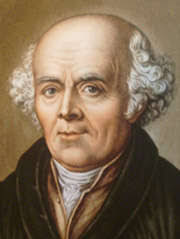
The principle of treating the patient rather than the disease originates from Samuel Hahnemann (1755–1843), the founder of homoeopathy. In his *Organon of Medicine* (Aphorism 1), Hahnemann stated: *”The highest ideal of cure is the rapid, gentle, and permanent restoration of health or removal and annihilation of the disease in its whole extent, in the shortest, most reliable, and most harmless way, on easily comprehensible principles.”*
This statement encapsulates the holistic vision: health is not merely the absence of disease but a state of complete physical, mental, and emotional well-being. Homeopathy views the individual as an integrated whole—mind, body, and spirit—rather than a collection of isolated symptoms targeting specific pathologies.
1.2 The Holistic Model
In homoeopathy, the patient is seen as a dynamic system whose vital force (or life force) animates and regulates all bodily functions. Disease arises when this vital force is disrupted, manifesting as a unique pattern of symptoms that reflect the individual’s susceptibility, constitution, and life circumstances. Unlike conventional medicine, which often focuses on locatable pathological changes (e.g., bacteria, tumors, biochemical imbalances), homoeopathy addresses the entire constitutional makeup of the person.
Key aspects of this holistic model include:
– Constitutional Typing: Each person is classified into a constitutional type based on physical traits, emotional tendencies, behavioral patterns, and symptom expression.
– Individuation: No two patients with the “same” disease present identically; their unique symptom patterns guide remedy selection.
– Dynamic Disturbance: Disease is viewed as a disturbance in the dynamic equilibrium of the organism, not merely a structural or biochemical anomaly.
2. Key Principles Supporting This Approach
2.1 The Law of Similia Similibus Curentur (“Let Likes Be Cured by Likes”)
Hahnemann’s foundational principle states that a substance that can cause symptoms in a healthy person can cure similar symptoms in a sick person. Crucially, this law is applied not to the disease label but to the totality of the patient’s symptoms. For example:
– A patient with insomnia marked by restlessness, anxiety, and fear of being alone may need *Arsenicum album*.
– Another insomniac characterized by heavy sleep with drowsy mornings, difficulty concentrating, and a dull, heavy sensation may require *Nux vomica*.The remedy is chosen based on the unique symptom pattern, not merely the diagnosis of “insomnia.”
2.2 The Totality of Symptoms
The concept of “totality” is central to homoeopathic prescribing. It refers to the complete picture of the patient’s symptoms—physical, mental, and emotional—which reflects the internal disturbance. The homeopath seeks to understand:
– Physical symptoms: Location, sensation, modality (what makes symptoms better or worse), timing, and accompanying symptoms.
– Mental/emotional symptoms: Mood, fears, anxieties, dreams, reactions to stress, memory, and cognitive function.
– General symptoms: Sleep, appetite, thirst, digestion, temperature preferences, and energy levels.
– Characterisitc particulars: Unusual, strange, rare, or peculiar symptoms that are highly individualized.
A thorough case-taking explores the patient’s life history, lifestyle, past illnesses, family history, and even personality traits to build this comprehensive picture.
2.3 The Individualization of Treatment
In conventional medicine, a patient with hypertension may receive the same medication as any other hypertensive patient. In homoeopathy, two patients with identical blood pressure readings may require entirely different remedies based on their unique symptom expressions. This individualization considers:
– How the patient experiences their illness (e.g., anxiety vs. calm acceptance of a chronic condition).
– What aggravates or ameliorates symptoms (e.g., cold vs. warm applications, motion vs. rest).
– Associated modalities (e.g., symptoms better in the morning vs. evening).
– Psychological overlay (e.g., grief triggering physical symptoms).
This approach treats the person who has the disease, not simply the disease the person has.
3. Practical Implications for Patient Care
3.1 Extended Case Taking
Homoeopathic consultations typically involve extensive dialogue between practitioner and patient. The homoeopath asks probing questions to uncover the totality of symptoms, including:
– Detailed description of the chief complaint.
– Patient’s life circumstances, emotional state, and stress factors.
– Personal and family medical history.
– Sleep patterns, appetite, digestion, and bodily functions.
– Preferences regarding temperature, food, and environment.
– Mental characteristics such as fears, phobias, irritability, and mood swings.
This process often takes 30–60 minutes or more for a first consultation, allowing the practitioner to form a deep understanding of the patient’s unique constitution.
3.2 Constitutional vs. Acute Prescribing
Homoeopathic treatment encompasses both constitutional and acute prescribing:
– Constitutional Prescribing: Targets the underlying chronic miasm or predisposition, addressing the patient’s fundamental constitution. Remedies are chosen based on the totality of symptoms over time.
– Acute Prescribing: Addresses acute illnesses (e.g., colds, infections, injuries) with remedies selected for the immediate symptom picture.
Both approaches prioritize the patient’s unique expression of illness, but constitutional treatment emphasizes long-term holistic healing.
3.3 Follow-Up and Re-Evaluation
Treatment outcomes are assessed by evaluating changes in the patient’s overall well-being, not solely by laboratory values or imaging. The homeopath considers:
– Improvement in energy, mood, and vitality.
– Changes in sleep, appetite, and digestive function.
– Reduction in the intensity and frequency of symptoms.
– Enhanced emotional resilience and coping mechanisms.
– Overall sense of well-being and quality of life.
This follow-up process ensures that treatment addresses the patient’s needs holistically over time.
7. Conclusion
“Treat the patient, not the disease” is not merely a slogan in homoeopathy but a guiding philosophy that shapes every aspect of practice—from case-taking and remedy selection to follow-up and outcome assessment. By focusing on the individual’s unique symptom pattern, emotional constitution, and life experience, homeopathy aims to restore health at the deepest level, addressing the root causes of suffering rather than merely suppressing symptoms.
While this approach presents challenges for scientific validation and practical implementation, it offers a holistic framework that resonates with patients seeking personalized, gentle, and integrative care. In an era of increasingly specialized medicine, homeopathy’s emphasis on the whole person remains a compelling counterpoint, reminding us that behind every disease label is a unique individual with their own story of health, illness, and healing.
*Note: This discussion is intended for educational purposes. Homoeopathic treatment should be undertaken under the guidance of a qualified practitioner, and patients should maintain communication with their primary healthcare providers regarding any medical conditions.*
See less