
Describe the treatment of incurable disease.

Lost your password? Please enter your email address. You will receive a link and will create a new password via email.
Please briefly explain why you feel this question should be reported.
Please briefly explain why you feel this answer should be reported.
Please briefly explain why you feel this user should be reported.
📖 Treatment of Incurable Diseases According to Organon of Medicine In Organon of Medicine, Dr. Samuel Hahnemann addresses the treatment of incurable diseases with a nuanced and philosophical approach. He acknowledges that while some diseases may not be curable in the conventional sense, homoeopathyRead more
📖 Treatment of Incurable Diseases According to Organon of Medicine
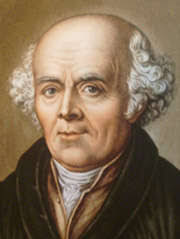
In Organon of Medicine, Dr. Samuel Hahnemann addresses the treatment of incurable diseases with a nuanced and philosophical approach. He acknowledges that while some diseases may not be curable in the conventional sense, homoeopathy can still offer meaningful relief, palliation, and improvement in quality of life.
🧠 Key Concepts from the Organon
🔹 Aphorism 75 – Artificial Chronic Diseases
– Hahnemann describes incurable conditions as often being artificial chronic diseases, caused by long-term use of suppressive treatments or improper medication.
– These cases are complex, miasmatic, and often refractory to treatment.
– He warns that such diseases are deeply rooted and difficult to reverse, especially when compounded by drug-induced damage.
🔹 Aphorism 70 – Law of Cure
– Hahnemann criticizes allopathic and antipathic treatments for not following the law of similars.
– He emphasizes that true healing is only possible when remedies are selected based on symptom similarity.
🩺 Treatment of Incurable Diseases According to Kent’s Lectures on Homoeopathic Philosophy
James Tyler Kent, a leading figure in classical homeopathy, offers a deeply philosophical and practical approach to treating incurable diseases. His views emphasize the spiritual, emotional, and dynamic nature of disease, even when cure is not possible.
🌿 Key Principles from Kent’s Lectures
1. Palliation with Integrity
– Kent insists that palliation must be done with homeopathic remedies, not suppressive drugs.
– The goal is to ease suffering while respecting the natural expression of disease.
– Suppression (e.g., using painkillers or sedatives) may worsen the vital force and accelerate decline.
2. Preserve the Vital Force
– Even in incurable cases, the physician must aim to support and balance the vital force.
– Remedies should be chosen based on the **totality of symptoms**, even if the disease cannot be reversed.
3. Avoid Zigzag Prescribing
– Kent warns against giving multiple remedies in rapid succession without clear indications.
– In difficult cases, patience and careful observation help clarify the symptom picture over time.
4. Confidence and Trust Matter
– The patient’s trust in the physician enhances the healing process.
– Kent notes that when patients return after trying other treatments, they often come back with a more receptive and stable mindset, which helps the remedy act more effectively.
5. Alternating and One-Sided Complaints
– In incurable cases, symptoms may appear alternately or only on one side of the body.
– These patterns require deep understanding and careful remedy selection, often from the lesser-known parts of the Materia Medica.
🧘 Kent’s Philosophical Insight
> “While Homoeopathy itself is a perfect science, its truth is only partially known… The confidence of the patient sharpens the physician’s intelligence.”
Kent believed that homoeopathy is a divine science, and even in incurable cases, it offers a dignified, intelligent, and spiritually aligned approach to care.
🌿 Treatment of Incurable Diseases According to George Vithoulkas
George Vithoulkas, a renowned figure in classical homeopathy, offers a nuanced and deeply ethical approach to treating incurable diseases. His philosophy centers on preserving dignity, alleviating suffering, and supporting the vital force, even when cure is not possible.
🧠 Core Principles from Vithoulkas’s Teachings
1. Respect for the Vital Force
– Vithoulkas emphasizes that even in incurable cases, the vital force must be supported, not suppressed.
– Remedies are chosen to balance the organism, improve quality of life, and reduce suffering.
2. Avoid Suppressive Therapies
– He strongly criticizes the overuse of antibiotics and allopathic drugs, which he believes weaken the immune system and contribute to the rise of incurable diseases.
– Suppression of symptoms may lead to deeper pathology and emotional imbalance.
3. Dynamic Plane of Healing
– Homeopathy works on the dynamic plane, meaning it addresses the energetic imbalance rather than just physical symptoms.
– Even if the disease cannot be reversed, the mental and emotional state can be improved.
4. Long-Term Management
– Vithoulkas outlines strategies for deep miasmatic cases and incurable conditions, focusing on:
– Careful remedy selection
– Monitoring homeopathic aggravations
– Avoiding interference from other treatments
5. Homeopathy for the Dying
– He advocates for gentle, individualized care in terminal cases.
– Remedies can help ease emotional distress, reduce pain, and provide spiritual comfort.
🧘 Philosophical Insight
> “The student should get my way of thinking, not the product.” — George Vithoulkas
Vithoulkas believes that understanding the essence of the patient—their unique emotional and psychological expression—is key to selecting the right remedy. Even in incurable cases, this understanding allows for meaningful and compassionate care.
🩺 Conclusion & summary
– Palliative Care: Homoeopathy aims to relieve suffering gently without suppressing symptoms.
– Avoid Suppression: Hahnemann cautions against treatments that merely mask symptoms, as they worsen the disease over time.
– Miasmatic Understanding: Chronic diseases are often linked to deep-seated miasms (Psora, Sycosis, Syphilis), which must be addressed even if cure is not possible.
– Individualization: Remedies are chosen based on the totality of symptoms, constitution, and mental state.
– Gentle Stimulation of Vital Force: Even in incurable cases, the goal is to stimulate the vital force to restore balance and improve well-being.
🧪 Example from Practice
In one case discussed by Leela D’Souza, a young woman developed a pituitary adenoma after years of suppressive treatments. Despite surgical intervention and complications, homoeopathy helped manage her symptoms and emotional state, even though full cure was not achievable.
🧘 Summary
Homoeopathy, as per Organon of Medicine, does not promise miracles in incurable diseases. Instead, it offers a humane, individualized, and holistic approach that respects the patient’s suffering and seeks to ease their journey with dignity and care.
🌿 Principles Behind Homoeopathic Treatment
– Similia Similibus Curentur: Even in incurable cases, remedies are chosen based on the similarity of symptoms.
– Vital Force Concept: Homoeopathy aims to stimulate the body’s innate healing energy to restore balance.
– Individualization: Each patient’s physical, emotional, and mental symptoms are considered to select the most appropriate remedy.
– Minimal Dosing: Remedies are given in highly diluted forms to avoid toxicity and side effects.
🧘♂️ Goals in Incurable Conditions
– Palliation: Alleviate pain and discomfort without suppressing symptoms.
– Improved Quality of Life: Enhance physical and emotional well-being.
– Slowing Progression: In some cases, homoeopathy may help slow the disease’s advancement.
– Emotional Support: Remedies often address anxiety, depression, and fear associated with chronic illness.
🧠 Philosophical Debate
Some practitioners argue that homoeopathy is sufficient even in terminal stages, while others believe it should be integrated with conventional medicine for emergencies. The emphasis is always on gentle healing, not aggressive suppression.
See less