
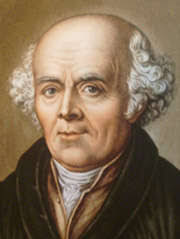


Repertorial Totality in Homoeopathy: A Comprehensive Academic Analysis Abstract Repertorial Totality represents one of the fundamental pillars of homoeopathic prescribing methodology, serving as the cornerstone for remedy selection in clinical practice. This comprehensive analysis explores the conceRead more
Repertorial Totality in Homoeopathy: A Comprehensive Academic Analysis
Abstract
Repertorial Totality represents one of the fundamental pillars of homoeopathic prescribing methodology, serving as the cornerstone for remedy selection in clinical practice. This comprehensive analysis explores the conceptual foundations, philosophical underpinnings, and practical applications of repertorial totality within the homoeopathic therapeutic framework. Originating from Samuel Hahnemann’s seminal work in the Organon of Medicine, the concept of totality has evolved through contributions from influential practitioners including Boenninghausen, Kent, and Boger, each contributing distinct perspectives that have enriched its understanding and application. The present document examines the theoretical basis of repertorial totality, its structural components, methodological approaches, and clinical significance in contemporary homoeopathic practice.
1. Introduction
The concept of repertorial totality stands as the quintessential diagnostic hallmark of homoeopathy, representing a methodological approach that distinguishes this therapeutic system from conventional medicine. In the realm of holistic medicine, the totality of symptoms functions as the fundamental diagnostic criterion upon which homoeopathic prescription is based, enabling practitioners to identify the simillimum—the remedy most similar to the patient’s disease manifestation (1). The term “repertorial totality” refers to that constellation of symptoms and clinical manifestations that are systematically organized, cross-referenced, and utilized in the process of repertorization to identify the most appropriate therapeutic agent (2).
Repertorization, defined as the specific technique of taking the totality of symptoms of a given disease and utilizing a compilation of these indications cross-referenced to medicinal agents, serves as the primary tool for finding the curative remedy (3). The repertory itself functions as a connecting link between the patient symptoms and the materia medica, enabling practitioners to navigate the vast therapeutic landscape of homoeopathic medicines efficiently (4). Without the systematic organization provided by repertories, the homoeopathic materia medica would remain cumbersome and impractical for daily clinical application (5).
The significance of repertorial totality extends beyond mere symptom matching; it encompasses a philosophical understanding of disease as a dynamic derangement of the vital force, wherein symptoms represent the outward manifestation of internal disturbance. This conceptual framework emphasizes that effective treatment must address the entire symptomatic picture rather than isolated complaints, thereby establishing the theoretical foundation for individualized homoeopathic prescription (6).
2. Historical Development and Key Contributors
2.1 Samuel Hahnemann and the Organon Foundation
The conceptual framework of repertorial totality finds its origins in Samuel Hahnemann’s (1755-1843) foundational work, particularly in the sixth edition of the Organon of Medicine. In Aphorism 7, Hahnemann articulated the fundamental principle that the totality of symptoms must be the principal, indeed the only thing the physician has to take note of in every case of disease and to remove by means of his art, in order that it shall be cured and transformed into health (7). This aphorism establishes that in the absence of any manifest exciting or maintaining cause, the symptoms alone constitute the basis for remedy selection, with the totality of these manifestations representing the outwardly reflected picture of the internal essence of the disease, that is, the affection of the vital force (8).
Hahnemann’s definition of totality emerges from his understanding of disease as a dynamic disturbance rather than a material entity. In Aphorism 8, he emphasizes that once all symptoms have been removed, nothing should remain except health, challenging the materialistic pathology that suggests disease could persist internally after symptom resolution (9). This perspective fundamentally distinguishes homoeopathic philosophy from conventional medical approaches, establishing symptoms as the sole reliable guide to treatment while acknowledging the dynamic nature of disease manifestation.
The concept receives further elaboration in Aphorism 153, which addresses the characteristic nature of symptoms to be emphasized in case taking. Hahnemann states that in the quest for the homeopathically specific remedy, the more conspicuous, exceptional, unusual, and odd (characteristic) signs and symptoms of the disease case are to be especially and almost solely kept in view (10). This emphasis on characteristic symptoms ensures that the totality constructed for repertorization purposes reflects the most distinctive features of the patient’s condition, facilitating more precise remedy selection.
Aphorism 257 further refines this concept by employing the more complete phrase “totality of characteristic symptoms,” establishing that effective prescription depends not merely on the quantity of symptoms but on their quality and distinctive character (11). This philosophical foundation has guided all subsequent developments in repertorial methodology, establishing the parameters within which totality must be erected and interpreted.
2.2 Boenninghausen’s Contribution
Baron Clemens Maria Franz von Boenninghausen (1785-1864), a contemporary and close student of Hahnemann, made seminal contributions to the systematization of repertorial totality. His Therapeutic Pocket Book, published in 1846, represented the first systematic attempt to organize homoeopathic therapeutic knowledge into a practical clinical tool (12). Boenninghausen’s understanding that characteristic indications were those bearing particular relationship to one another revolutionized the approach to totality construction (13).
The Boenninghausen concept of totality comprises seven distinct maxims that provide structural organization to the case analysis process. These seven points, derived from the Latin interrogatives, encompass the essential dimensions of disease manifestation: QUID (the nature and peculiarity of the disease), QUIS (the personality and individuality of the patient), UBI (the seat of the disease), QUIBUS AUXILIIS (accompanying symptoms), CUR (the cause of the disease), QUOMODO (modification, includingaggravation and amelioration), and QUANDO (the time dimension) (14). This framework ensures comprehensive case evaluation that addresses all relevant aspects of the patient’s symptomatic presentation.
Boenninghausen developed four foundational doctrines that underpin his approach to repertorial totality. The Doctrine of Analogy permits the construction of complete symptoms by combining scattered elements, based on the principle that “what is true to the part is also true to the whole person” (15). This doctrine facilitates the elevation of local symptoms to general status, addressing the practical challenge of incomplete proving data by enabling extrapolation from known symptom relationships.
The Doctrine of Concomitance identifies those symptoms that exist together with the leading symptom without theoretical pathological relationship, yet demonstrate actual clinical relationship through simultaneous manifestation in the same person at the same time (16). These unreasonable attendants serve as differentiating factors in case analysis, enabling the practitioner to distinguish between similar disease presentations and remedy pictures. Hahnemann himself praised Boenninghausen’s work in a footnote for arranging the characteristic symptoms of homeopathic medicines in a manner that facilitated their practical application (17).
2.3 James Tyler Kent’s Systematic Approach
James Tyler Kent (1849-1916) contributed significantly to the development of a hierarchical approach to repertorial totality, emphasizing the primacy of mental and general symptoms in case analysis. Kent’s philosophy rests on the principle that removal of the totality of symptoms equals removal of the cause, establishing a direct correspondence between symptomatic resolution and disease eradication (18). His lectures on homoeopathic philosophy elaborate this concept extensively, emphasizing that when symptoms disappear under the action of the simillimum, the disease ceases to exist because the totality of symptoms represents the entire representation of the disease (19).
Kent established a systematic hierarchy for symptom evaluation, wherein every symptom must be examined to determine its relation to the totality, its position within the totality, and its value in the overall assessment (20). This hierarchical approach recognizes that certain symptom categories carry greater clinical significance than others, with mental symptoms and general symptoms occupying the highest positions in the evaluative framework. The general symptoms, when more closely characterized, provide the most reliable basis for remedy differentiation, while common symptoms seemingly insignificant in isolation may become characteristic when properly contextualized (21).
The Kentian approach emphasizes that totality should not be understood as the mere sum of independent symptoms; rather, it represents the essential characteristics and image of the sickness that brings a clear idea of the nature of the disease (22). Many small symptoms can be omitted without damaging the totality, as the essential features of the disease presentation take precedence over peripheral manifestations. This understanding cautions against prescribing from only a partial view of the case, which Kent identifies as a common mistake leading to suboptimal therapeutic outcomes (23).
2.4 Cyrus Maxwell Boger’s Integrated Approach
Cyrus Maxwell Boger (1861-1935) developed an integrated approach to repertorial totality that synthesized elements from both Boenninghausen and Kent while introducing novel concepts regarding pathological generals and time dimensions. His Synoptic Key of the Materia Medica represents a significant contribution to the practical application of totality principles in clinical practice (24). Boger’s approach entails pathological generals, tissue affinity, and the time dimension along with Boenninghausen’s concept of totality, creating a comprehensive framework for case analysis (25).
Boger detailed his approach to identification and development of the totality through a “combination of the analytic and synoptic methods,” enabling practitioners to systematically evaluate and organize case information (26). His work recognized that the totality of a case constitutes the basis for repertorization and serves the purpose of finding the most similar medicine of the materia medica, establishing the theoretical foundation for modern repertorial practice (27).
3. Conceptual Framework of Repertorial Totality
3.1 Definition and Fundamental Principles
Repertorial totality may be defined as a logically related group of symptoms that characterize a particular disease manifestation, selected and organized according to specific principles for the purpose of remedy identification through repertorization (28). This concept embodies the holistic philosophy of homoeopathy, wherein the disease is understood not as an isolated pathological entity but as a comprehensive manifestation of disturbance in the vital force.
The fundamental principle underlying repertorial totality is that disease manifests through symptoms, and these symptoms collectively represent the internal pathological state. According to Hahnemann’s formulation, the totality of symptoms constitutes the outward image of the internal essence of the disease, making symptom totality the sole guide to remedy selection (29). This principle establishes symptoms as the primary source of diagnostic information, rejecting the materialistic approach that seeks to identify disease through pathological anatomy or laboratory investigations.
The concept of characteristic symptoms forms a crucial component of totality construction. Characteristic symptoms are those that distinguish one case from another, encompassing not only the unusual and exceptional but also symptoms that, through proper characterization and arrangement, acquire distinctive significance (30). The arrangement of elements in time and space confers distinctiveness upon the totality, such that even common symptoms can become characteristic when properly contextualized within the case presentation (31).
3.2 Distinction Between Totality and Complete Symptom
Understanding the relationship between complete symptoms and totality is essential for effective repertorization. A complete symptom comprises three essential elements: location (the anatomical region affected), sensation (the subjective experience of the patient), and modality (the conditions that modify the symptom) (32). These three components together provide the basic unit of information that can be meaningfully repertorized.
The totality, however, transcends the simple aggregation of complete symptoms. It represents a logical combination of symptoms that characterizes the person as an individual while also differentiating the current presentation from other similar conditions (33). The distinction between “the totality of symptoms” and “symptom totality” is significant: the former refers to all perceptible manifestations of the disease, while the latter refers specifically to those symptoms selected for repertorial analysis and matching.
This conceptual differentiation has important practical implications. Many symptoms can be collected during case taking without all of them being incorporated into the repertorial totality. The practitioner must exercise judgment in selecting those symptoms that will most effectively differentiate between potential remedies, focusing on characteristic features rather than attempting comprehensive symptom enumeration (34).
3.3 Relationship to Disease Classification
An important consideration in constructing repertorial totality involves the relationship between patient symptoms and specific disease entities. A patient may suffer from more than one disease simultaneously, each with its own totality of symptoms (35). The practitioner must determine which symptom constellation corresponds to which disease process, ensuring that the totality erected accurately reflects the condition requiring treatment.
Hahnemann’s disease classification distinguishes between primary and secondary diseases, with primary diseases being constant in nature and often having discernible causes, while secondary diseases are of variable nature requiring emphasis on symptomatic presentation (36). The disease image will generally reveal secondary diseases, and it is these manifestations that typically constitute the basis for repertorial totality construction.
This understanding has significant implications for chronic versus acute disease management. In acute diseases, characteristic symptoms are generally more striking, requiring less detailed investigation for totality construction. Chronic diseases, however, demand the most careful and minute investigation, going into the smallest details, as the characteristic symptoms are often most exceptional and least resembling those of rapidly passing diseases (37). Patients with chronic conditions frequently become accustomed to their suffering and may ignore smaller symptoms, yet these accompanying deviations from the healthy state are often decisive in searching out the appropriate remedy (38).
4. Structural Components of Repertorial Totality
4.1 The Boenninghausen Framework
The Boenninghausen approach to totality structure organizes symptoms into seven distinct categories, each addressing a specific dimension of disease manifestation. This framework ensures comprehensive evaluation while maintaining systematic organization for repertorial purposes.
Quis (Personality) encompasses the individual characteristics of the patient, including constitutional features, temperament, and personal history. This dimension recognizes that disease manifests differently in different individuals, and understanding the patient’s personality contributes to accurate totality construction.
Quid (Disease Nature) addresses the essential character of the pathological process, including the quality and intensity of symptoms. This component examines what is happening in the disease process, establishing the fundamental nature of the disturbance.
Ubi (Seat) identifies the anatomical location of the disease manifestation, whether general or local. Boenninghausen’s doctrine of analogy permits the application of symptoms pertaining to one part to other parts of the body, raising local symptoms to general status for comprehensive evaluation (39).
Quibus Auxiliis (Accompanying Symptoms) comprises those symptoms that exist concurrently with the leading symptom without having direct pathological relationship to it. These concomitant symptoms serve as crucial differentiating factors, as they reflect the unique way in which the disease manifests in this particular individual (40).
Cur (Cause) addresses the etiological factors, including both exciting and maintaining causes. While Hahnemann indicated that manifest causes must be removed before symptomatic treatment, understanding causation contributes to comprehensive totality construction (41).
Quomodo (Modifications) encompassesaggravation and amelioration factors, including the conditions under which symptoms worsen or improve. This dimension includes modality factors such as time, weather, temperature, position, and other circumstantial influences that modify the symptom presentation.
Quando (Time) addresses temporal aspects of symptom manifestation, including time of day, season, menstrual cycle, and other temporal relationships. This component recognizes that disease manifestations follow characteristic temporal patterns that contribute to remedy differentiation.
4.2 The Kentian Hierarchy
Kent’s approach to totality structure emphasizes a hierarchical organization that prioritizes certain symptom categories based on their clinical significance. This hierarchy guides practitioners in evaluating and weighting symptoms during case analysis.
At the highest level, mental symptoms occupy the primary position, reflecting Kent’s philosophical emphasis on the importance of the spiritual-mental essence in disease manifestation. These symptoms encompass alterations in mental function, emotional states, and cognitive processes.
General symptoms constitute the second tier, representing manifestations that affect the entire organism rather than specific locations. These symptoms relate to overall well-being, energy levels, sleep, appetite, and other systemic functions.
Particular symptoms form the third category, encompassing local manifestations with their specific modalities and characteristics. These symptoms, while less significant than generals in the Kentian framework, remain essential for remedy differentiation.
Common symptoms, representing manifestations shared by many diseases and remedies, occupy the lowest position in the hierarchy. While seemingly less significant, these symptoms can acquire importance when properly characterized and contextualized (42).
4.3 The Boger Integration
Boger’s approach synthesizes elements from multiple traditions, incorporating pathological generals as a distinct category. His framework recognizes that certain symptoms represent tissue or organ system affinity, providing a systematic basis for remedy differentiation based on structural pathology (43).
The time dimension receives particular emphasis in Boger’s methodology, addressing not only temporal patterns of symptom manifestation but also the progression of disease over time. This temporal perspective contributes to understanding the dynamic nature of disease and its response to therapeutic intervention (44).
5. Methods of Erecting Totality
5.1 Principles of Totality Construction
The erection of totality must be based upon facts collected during case taking, with no fixed formula governing the process. Totality is not the sum total of symptoms but rather a logical combination that characterizes the individual and provides the basis for remedy differentiation (45). The construction process requires careful evaluation of symptom relationships, distinguishing characteristics, and clinical significance.
The first step involves comprehensive case taking, gathering all available information about the patient’s condition. This process must be thorough, particularly for chronic diseases where minute details often prove decisive. The investigation should proceed according to the principles outlined in the Organon, addressing both physical and mental manifestations, local and general symptoms, and all modifying factors (46).
Following case taking, the practitioner must organize and evaluate the collected information, selecting those symptoms that will constitute the repertorial totality. This selection process should focus on characteristic symptoms that differentiate the current presentation from other similar conditions. Quality takes precedence over quantity in this selection, as the most encompassing peculiarity of the symptom rather than the number of symptoms determines their clinical value (47).
4.2 Pattern Recognition
Characteristic refers not merely to unusual or exceptional symptoms but to patterns of information that are distinctive. Each element of the pattern may not individually be unusual, yet the arrangement of elements in time and space confers distinctiveness (48). This understanding emphasizes the importance of pattern recognition in totality construction, where the configuration of symptoms provides more meaningful information than isolated symptom enumeration.
This principle finds analogy in chemistry, where slight rearrangement of atoms creates different substances with distinct properties, and in genetics, where subtle differences in protein arrangement produce dramatically different effects (49). Similarly, in homoeopathy, the arrangement of symptoms in time and space must be reproduced for accurate remedy matching.
4.3 Integration of Multiple Approaches
Contemporary practice often integrates elements from multiple methodological traditions, combining Boenninghausen’s structured approach with Kent’s hierarchical emphasis and Boger’s pathological perspective. This integrative approach acknowledges that different cases may benefit from different analytical frameworks, and the skilled practitioner must be capable of applying multiple methods as appropriate (50).
The selection of approach depends upon the nature of the case, the information available, and the practitioner’s training and experience. Acute cases may respond well to rapid evaluation using characteristic symptoms, while chronic cases often require comprehensive analysis using multiple dimensions of totality construction.
6. Clinical Application of Repertorial Totality
6.1 The Process of Repertorization
Repertorization involves the systematic matching of the repertorial totality against available remedy information to identify the most appropriate therapeutic agent. This process utilizes the repertory as a tool for cross-referencing symptoms with medicinal agents, enabling systematic evaluation of remedy relationships to the presenting symptoms (51).
The process begins with the selection of rubrics from the repertory that correspond to symptoms in the constructed totality. These rubrics are then combined and analyzed to determine which remedies appear most frequently and with highest grades, providing a ranked list of potential therapeutic agents for further evaluation against the materia medica (52).
Modern repertorization often employs computer software that facilitates rapid analysis of complex symptom combinations. However, the fundamental principles remain unchanged: the practitioner must select appropriate rubrics, interpret the results in light of totality principles, and verify the indicated remedy against the full symptom picture and materia medica information (53).
6.2 Evaluation and Differentiation
The repertorial process generates a list of remedies that match the totality symptoms, but final remedy selection requires further evaluation. This differentiation process involves comparing the indicated remedies against the complete case picture, considering factors such as constitutional fit, aetiologic relationship, and overall symptom correspondence (54).
The grades assigned to symptoms in the repertory indicate the frequency and intensity of symptom occurrence in provings and clinical observations. Boenninghausen established a five-grade system: first grade (capitals, 5 marks) indicates frequent and verified symptoms; second grade (bold, 4 marks); third grade (italics, 3 marks); fourth grade (roman, 2 marks); and fifth grade (parenthesis, 1 mark) indicates symptoms not verified or confirmed (55). These grades provide guidance for weighting symptoms in the repertorial process.
6.3 Relationship to Materia Medica
Repertorization provides the starting point for remedy selection, but the indicated remedy must be verified against the complete materia medica before final prescription. This verification ensures that the remedy corresponds not only to the selected repertorial symptoms but to the totality of the patient’s presentation (56).
The materia medica provides the comprehensive picture of remedy action derived from proving symptoms and clinical observations. The practitioner must evaluate whether the remedy picture corresponds to the patient’s full symptom presentation, including mental general symptoms, particular symptoms, and any exceptional characteristics that may not have been captured in the repertorial totality (57).
7. Contemporary Relevance and Challenges
7.1 Integration with Modern Practice
Contemporary homoeopathic practice continues to rely upon repertorial totality as the foundation for remedy selection, though the methodology has evolved to incorporate technological advances and clinical insights. Computerized repertories have facilitated more rapid and comprehensive analysis, while evidence-based approaches have sought to validate traditional methodologies through systematic investigation (58).
The fundamental principles established by Hahnemann and elaborated by subsequent practitioners remain relevant to contemporary practice. The emphasis on characteristic symptoms, the construction of logical totality, and the relationship between symptom picture and remedy picture continue to guide clinical decision-making (59).
7.2 Challenges and Considerations
Despite its central importance, the construction of repertorial totality presents significant challenges in clinical practice. Patients may present with complex symptom pictures that resist systematic organization, and the selection of appropriate rubrics requires substantial training and experience. The distinction between symptoms that should be included in the totality and those that may be omitted without damage requires careful judgment (60).
Furthermore, the relationship between totality construction and individualization continues to generate discussion within the homoeopathic community. While the totality provides the framework for remedy selection, the ultimate aim is to find the simillimum that addresses the patient’s unique pathological state, which may require consideration of factors beyond the strictly symptomatic presentation (61).
8. Conclusion
Repertorial totality represents the fundamental methodological framework for homoeopathic remedy selection, embodying the holistic principle that disease manifests as a comprehensive symptom picture requiring systematic analysis for effective treatment. Originating from Hahnemann’s foundational work in the Organon, the concept has evolved through contributions from Boenninghausen, Kent, Boger, and other practitioners, each adding dimensions of understanding and practical application.
The construction of repertorial totality involves careful evaluation of symptoms according to their characteristic nature, hierarchical significance, and clinical relevance. Different methodological approaches—Boenninghausen’s seven maxims, Kent’s hierarchical structure, Boger’s integrated perspective—provide complementary frameworks for comprehensive case analysis. The skilled practitioner must be capable of applying these methodologies appropriately, selecting the approach most suited to the individual case requirements.
Despite challenges in practical application, repertorial totality remains essential to homoeopathic practice, providing the systematic foundation for remedy selection that distinguishes this therapeutic approach from conventional medicine. The ongoing development of repertorial tools and methodologies ensures that this fundamental principle continues to serve practitioners in their pursuit of the simillimum.
References
1. Homoeopathic Journal. Concept of totality and its vital significance in homoeopathy. Homoeopathic Journal. 2024;10(2):139-834.
2. Longani KA. Repertorial totality. In: Explaining Homoeopathic Concepts. YouTube; 2024.
3. Verspoor R. Repertorization—the principles for its use. Hpathy.com. 2009.
4. JISH-MLDTrust. Back to basics and beyond: Repertorisation as a concept and a tool for clinical decision-making. JISH. 2024.
5. Hahnemann S. Organon of medicine. 6th ed. Leipzig: Arnold Arnoldi; 1921.
6. Hahnemann S. Organon of medicine. 5th/6th ed. Translated by Künzli J, Naumann E, Mandal PP. New Delhi: B. Jain Publishers; 1992.
7. Hahnemann S. Organon of medicine. Aphorism 7. In: Organon of Medicine. 6th ed.
8. Bhatia M. Lectures on Organon of medicine—understanding aphorism seven and eight. Hpathy.com. 2007.
9. Hahnemann S. Organon of medicine. Aphorism 8. In: Organon of Medicine. 6th ed.
10. Hahnemann S. Organon of medicine. Aphorism 153. In: Organon of Medicine. 6th ed.
11. Hahnemann S. Organon of medicine. Aphorism 257. In: Organon of Medicine. 6th ed.
12. Boenninghausen CMF. Therapeutic pocket book. 1846.
13. Verspoor R, Decker S. Homeopathy re-examined: Beyond the classical paradigm. Montreal: Hahnemann College for Heilkunst; 2008.
14. Boenninghausen’s concept of totality. SITE123. 2024. Available from: https://250048.site123.me/boenninghausen-totality
15. Boenninghausen CMF. Doctrine of analogy. In: Therapeutic pocket book. 1846.
16. Boenninghausen CMF. Doctrine of concomitance. In: Therapeutic pocket book. 1846.
17. Hahnemann S. Footnote to Organon Aphorism. In: Organon of Medicine. 6th ed.
18. Kent JT. Lectures on homoeopathic philosophy. In: Totality of symptoms. HomeopathyBooks.in.
19. Kent JT. Lecture 12: The removal of the totality of symptoms means the removal of the cause. In: Lectures on homoeopathic philosophy.
20. Kent JT. Hierarchy of symptoms. In: Lectures on homoeopathic philosophy.
21. Kent JT. Characteristic symptoms. In: Lectures on homoeopathic philosophy.
22. Kent JT. Nature of totality. In: Lectures on homoeopathic philosophy.
23. Kent JT. Common prescribing errors. In: Lectures on homoeopathic philosophy.
24. Boger CM. A synoptic key of the materia medica. 1931.
25. JISH-MLDTrust. Exploring the application of Boger’s approach in clinical practice. JISH. 2024.
26. Boger CM. Approach to totality. In: A synoptic key of the materia medica.
27. Homeobook. Repertorization methods by CM Boger. Homeobook.com. 2024.
28. Homeopathy360. Repertorisation with one complete symptom: A precise approach. Homeopathy360. 2024.
29. Hahnemann S. Aphorism 18. In: Organon of Medicine. 6th ed.
30. Hahnemann S. Characteristic symptoms definition. In: Organon of Medicine. Aphorism 153.
31. Verspoor R. Pattern vs quantity in symptom evaluation. Hpathy.com. 2009.
32. Homoeopathic Journal. Complete symptom definition. Homoeopathic Journal. 2024.
33. Steps to repertorisation—erecting totality. Hpathy.com. 2024.
34. Kent JT. Partial view prescribing. In: Lectures on homoeopathic philosophy.
35. Verspoor R. Multiple diseases and totatlity. In: Repertorization principles. Hpathy.com. 2009.
36. Hahnemann S. Primary vs secondary diseases. In: Organon of Medicine. 6th ed.
37. Hahnemann S. Chronic disease investigation. In: Organon of Medicine. Aphorism.
38. Hahnemann S. Accompanying symptoms importance. In: Organon of Medicine. 6th ed.
39. Boenninghausen CMF. Doctrine of grand generalization. In: Therapeutic pocket book.
40. Boenninghausen CMF. Concomitant symptoms. In: Therapeutic pocket book.
41. Hahnemann S. Causa occasionalis. In: Organon of Medicine. Aphorism 5.
42. Kent JT. Common symptoms evaluation. In: Lectures on homoeopathic philosophy.
43. Boger CM. Pathological generals. In: A synoptic key of the materia medica.
44. Boger CM. Time dimension. In: A synoptic key of the materia medica.
45. Steps to repertorisation. Erecting totality. Hpathy.com. 2024.
46. Hahnemann S. Case taking principles. In: Organon of Medicine. 6th ed.
47. Verspoor R. Quality vs quantity. Hpathy.com. 2009.
48. Verspoor R. Pattern recognition. In: Repertorization principles.
49. Verspoor R. Analogy to chemistry and genetics. In: Repertorization principles.
50. JISH-MLDTrust. Integrated approach to repertorization. JISH. 2024.
51. Boericke W. Pocket manual of homoeopathic materia medica and repertory. 9th ed. Philadelphia: Boericke & Runyon; 1927.
52. Kent JT. Repertory of the homoeopathic materia medica. 1897.
53. RadarOpus. Computerized repertorization. RadarOpus Software.
54. Allen HC. Boenninghausen’s therapeutic pocket book. Lucknow: Central India Publishing Company; 1934.
55. Boenninghausen CMF. Grading system. In: Therapeutic pocket book.
56. Boericke W. Homoeopathic materia medica. 1901.
57. Clarke JH. Dictionary of practical materia medica. London: The Homoeopathic Publishing Company; 1900-1902.
58. ResearchGate. The totality of symptoms—an empirical review. ResearchGate. 2024.
59. Hahnemann S. Simillimum principle. In: Organon of Medicine. 6th ed.
60. Hahnemann S. Symptom selection. In: Organon of Medicine. 6th ed.
61. Hahnemann S. Individualization. In: Organon of Medicine. 6th ed
See less
Theory of Concomitant in Homoeopathic Repertory: A Comprehensive Academic Review Abstract The theory of concomitant symptoms represents one of the most sophisticated and clinically significant concepts within the homoeopathic therapeutic system. This concept, systematically developed by ConstantineRead more
Theory of Concomitant in Homoeopathic Repertory: A Comprehensive Academic Review
Abstract
The theory of concomitant symptoms represents one of the most sophisticated and clinically significant concepts within the homoeopathic therapeutic system. This concept, systematically developed by Constantine Hering and subsequently refined by Boenninghausen, provides a methodological framework for identifying and utilizing symptoms that accompany the chief complaint but maintain no direct pathological relationship with it.¹ The concomitant symptom doctrine has profoundly influenced the structure and utilization of homoeopathic repertories, serving as a critical tool for individualized remedy selection.² This academic review examines the theoretical foundations, historical development, clinical applications, and contemporary relevance of concomitant symptoms in homoeopathic repertory practice.³ Through systematic analysis of classical texts, contemporary research, and clinical observations, this document elucidates how concomitant symptoms function as the differentiating factor in the totality of symptoms, thereby enabling precise similimum selection and enhancing therapeutic outcomes.⁴
1. Introduction
Homoeopathy, founded on the principle of similia similibus curentur (let like be cured by like), relies fundamentally upon the accurate matching of the totality of symptoms to the pathogenetic profile of medicinal substances.⁵ Within this therapeutic framework, the identification and evaluation of symptoms assume paramount importance, as the precision of remedy selection directly correlates with clinical outcomes.⁶ Among the various categories of symptoms utilized in homoeopathic prescribing, concomitant symptoms occupy a distinctive and crucial position, offering unique clinical information that distinguishes them from common and characteristic symptoms.⁷
The concept of concomitant symptoms has evolved considerably since its formal articulation in the nineteenth century, with contributions from multiple luminaries including Samuel Hahnemann, Constantine Boenninghausen, James Tyler Kent, and Cyrus Maxwell Boger.⁸ These physicians recognized that certain symptoms appearing alongside the chief complaint—though seemingly unrelated to the primary pathology—provide invaluable individualized information essential for accurate remedy selection.⁹ Roberts eloquently stated, “The concomitant symptom is to the totality what the condition of aggravation and amelioration is to the single symptom. It is the differentiating factor.”¹⁰
This academic review aims to provide a comprehensive examination of the theory of concomitant symptoms within the context of homoeopathic repertory, exploring its philosophical foundations, practical applications, and significance in contemporary homoeopathic practice.¹¹ The analysis draws upon classical textual sources, peer-reviewed research publications, and clinical observations to construct a thorough understanding of this essential component of homoeopathic therapeutics.¹²
2. Historical Background and Development
2.1 Origins in Classical Medical Thought
The recognition of symptoms occurring alongside primary complaints dates to antiquity, with Hippocrates demonstrating particular attention to what he termed “unreasonable attendants” in disease presentation.¹³ Hippocrates believed fundamentally in treating “not the disease but the individual,” and he utilized concomitant symptoms to forecast disease prognosis and guide therapeutic interventions.¹⁴ This philosophical orientation would later profoundly influence homoeopathic conceptualization of individualization and symptom hierarchy.¹⁵
The Latin etymological root of “concomitant” derives from concomitari, meaning “to accompany” or “to go together with.”¹⁶ This terminology reflects the essential nature of these symptoms—manifestations that appear alongside the chief complaint without necessarily sharing a direct causative relationship.¹⁷ Historical medical traditions across cultures recognized these “accompanying symptoms” as significant indicators of disease prognosis, though systematic utilization in therapeutic decision-making remained largely undeveloped until the nineteenth century.¹⁸
2.2 Samuel Hahnemann’s Contributions
Samuel Hahnemann, the founder of homoeopathy, provided the earliest systematic framework for symptom evaluation in his seminal work *Organon of Medicine*.¹⁹ In Aphorism 6 and 25, Hahnemann discussed the concept of numerical totality, emphasizing that the complete constellation of symptoms must guide remedy selection.²⁰ However, it was in Aphorism 153 that Hahnemann addressed the practical application of characteristic totality, instructing practitioners that “more striking, particular, unusual and peculiar signs should be kept in view” while general symptoms “deserve little attention unless especially pronounced.”²¹
Hahnemann specifically praised Boenninghausen for his “meritorious work on setting criteria for characteristic symptoms,” acknowledging the Dutch physician’s contributions to clarifying the ambiguous portions of his own teachings regarding symptom evaluation.²² This recognition established the foundation for Boenninghausen’s subsequent development of the concomitant symptom doctrine and its integration into systematic repertory construction.²³
In Aphorism 95 of the *Organon*, Hahnemann explicitly noted the clinical significance of accompanying symptoms: “Chronically ill patients become so accustomed to their long sufferings that they pay little or no attention to the smaller, often characteristic accompanying befallments which are so decisive in singling out the remedy.”²⁴ This observation highlighted both the importance of concomitant symptoms and the challenges inherent in their identification during clinical case-taking.²⁵
2.3 Boenninghausen’s Systematic Development
Constantine Hering and Boenninghausen played pivotal roles in transforming the concept of concomitant symptoms from an incidental observation into a systematic therapeutic principle.²⁶ Boenninghausen, a former criminal lawyer who had been cured of deadly purulent phthisis through homoeopathic treatment, dedicated himself to systematizing Hahnemann’s teachings and developing practical tools for remedy selection.²⁷
Boenninghausen derived the scientific basis for his Doctrine of Concomitants from multiple historical and philosophical sources.²⁸ From twelfth-century theological scholastics, he adapted the Hexameter—a six-question framework originally used to diagnose spiritual and moral diseases—into what he termed the Decameter, a seven-axiom system for evaluating disease presentations.²⁹ These six questions included: Quis (Who has the disease?), Quid (What is the disease?), Ubi (Where is the disease located?), Cur (What is the cause?), Quamodo (What factors influence the disease?), and Quando (When did the disease happen?).³⁰
By placing the Concomitant Symptom at the fourth position—the middle position—in this framework, Boenninghausen emphasized its central importance in disease evaluation.³¹ He successfully amalgamated Hippocratic philosophy regarding individualization with the theological framework for diagnostic evaluation, creating a coherent system for symptom hierarchy determination.³²
2.4 Differentiation from Herring’s Essential Concomitants
An important distinction exists between Boenninghausen’s concept of concomitant symptoms and Constantine Herring’s formulation of “Essential Concomitants.”³³ Herring defined essential concomitants as symptoms bearing a cause-effect relationship, wherein one symptom logically produces another in a linear sequence.³⁴ Boenninghausen, in contrast, emphasized that concomitant symptoms appear together in parallel fashion without establishing cause-effect relationships between them.³⁵
This distinction carries profound therapeutic implications.³⁶ In Herring’s model, symptoms form a causal chain (A→B→C→D), whereas in Boenninghausen’s model, chief complaints (A, B, C, D) occur alongside concomitant symptoms (E, F, G, H) without direct pathological connection.³⁷ The critical differentiating factor in Boenninghausen’s framework is **time**—concomitant symptoms are identified by their consistent temporal association with the chief complaint rather than any pathological interdependence.³⁸
3. Definition and Conceptual Framework
3.1 Working Definition
Concomitant symptoms may be defined through multiple characteristics that distinguish them from other symptom categories.³⁹
Primary Definition: Concomitant symptoms are symptoms that always accompany the main symptom but have no pathological relation to the chief ailment.⁴⁰
Extended Characterization: Concomitant symptoms can be more comprehensively described as symptoms that appear and disappear with the main complaint, symptoms that do not have any pathological relationship with the main complaint, symptoms belonging to a different sphere of the disease than the main complaint, and symptoms that individualize the patient and drug from other patients or drugs.⁴¹
The Latin term quibus auxiliis (with auxiliary means) or quibus combitus (with what accompanied) provides alternative nomenclature for these symptoms in classical homoeopathic literature.⁴² These synonyms emphasize the accompanying nature of these symptoms while distinguishing them from symptoms bearing direct pathological causation.⁴³
3.2 Relationship to Totality of Symptoms
The concept of concomitant symptoms exists in integral relationship to the broader principle of totality of symptoms, which forms the empirical basis for homoeopathic prescribing.⁴⁴ In Hahnemann’s framework, the totality of symptoms represents the complete expression of the diseased state, serving as the sole guiding indication for remedy selection.⁴⁵
Roberts articulated the hierarchical relationship between concomitant symptoms and totality with particular clarity, stating that “what concomitance is to the totality, modality is to a single symptom.”⁴⁶ This comparison illuminates the fundamental role of concomitant symptoms in differentiating between cases that present with similar chief complaints but require different remedies.⁴⁷ Just as modalities distinguish between presentations of the same symptom, concomitant symptoms distinguish between cases that would otherwise appear similar in their totality.⁴⁸
The importance of this differentiating function cannot be overstated.⁴⁹ Many disease states present with common symptom patterns that could match multiple remedies.⁵⁰ Concomitant symptoms provide the characteristic peculiarities that enable the physician to identify the truly indicated remedy, transforming what would otherwise be a morass of possible remedies into a clear therapeutic direction.⁵¹
3.3 Distinguishing Characteristics from Chief Complaints
Clinical differentiation between chief complaints and concomitant symptoms requires careful attention to several distinguishing features.⁵²
1. Nature: Presenting complaint, most painful, persistent (Chief Complaint) | Often forgotten, unnoticed, not painful enough (Concomitant Symptoms)
2. Pathological Value: Lower evaluated, pathological in nature (Chief Complaint) | Greater value than chief complaint (Concomitant Symptoms)
3. Therapeutic Role: Background (Chief Complaint) | Unerringly indicate to simillimum (Concomitant Symptoms)
4. Individualization: General level (Chief Complaint) | Individual level (Concomitant Symptoms)
5. Relationship: Primary presentation (Chief Complaint) | Parallel occurrence without causation (Concomitant Symptoms)
Chief complaints form the background upon which concomitant symptoms develop, yet it is the concomitant symptoms that indicate the personality and individuality of the person.⁵³ As Bhardwaj et al. demonstrated in their placebo-controlled clinical study, homoeopathic medicine prescribed on the basis of concomitant symptoms improves overall wellbeing more significantly than medicine prescribed without this consideration.⁵⁴
4. Boenninghausen’s Three Qualifications for Concomitant Symptoms
Boenninghausen established three prescribed qualifications that elevate concomitant symptoms to the status of characteristic symptoms, thereby maximizing their utility in remedy selection.⁵⁵ These qualifications provide practical criteria for evaluating the clinical significance of any given concomitant symptom.⁵⁶
4.1 First Qualification: Rarity
Definition: Concomitant symptoms possess heightened characteristic value when they “rarely appear in connection with the leading disease, and are, therefore, also found rarely among the provings.”⁵⁷
Clinical Significance: Rarity enhances the differentiating power of concomitant symptoms.⁵⁸ When a symptom occurs commonly across many disease states and drug provings, it provides limited individualizing information.⁵⁹ Conversely, when a symptom occurs rarely in association with a particular condition, its presence assumes greater significance for remedy differentiation.⁶⁰
Examples of Rare Concomitants:
1. Apis mellifica: Fever patient (Chief Complaint) | Preference to drink only in stage of chilliness (Rare Concomitant)
2. Arnica montana: General conditions (Chief Complaint) | Symmetrical distribution of eruption (Rare Concomitant)
3. Spigelia: Prosopalgia (Chief Complaint) | Nasal discharge of same side accompanying facial pain (Rare Concomitant)
4. Acid phosphoricum: Diarrhea (Chief Complaint) | Absence of prostration despite loose stools (Rare Concomitant)
These examples illustrate how rarity manifests in clinical practice.⁶¹ Apis patients characteristically avoid drinking during fever, preferring to sip only when experiencing chilliness—this peculiar thirst pattern rarely appears in other fevers, thereby serving as an important individualizing feature.⁶²
4.2 Second Qualification: Different Sphere of Disease
Definition: Concomitant symptoms are most valuable when they “belong to another sphere of the disease than the chief ailment.”⁶³
Clinical Significance: This qualification emphasizes the absence of pathological relationship between the concomitant and the chief complaint.⁶⁴ When symptoms arise from unrelated physiological or pathological systems, their concurrent presentation cannot be explained by direct disease mechanisms.⁶⁵ This inexplicable association suggests a deeper connection at the level of the vital force, potentially indicating the fundamental miasmatic or constitutional disturbance underlying the presentation.⁶⁶
Examples of Cross-Sphere Concomitants:
1. Gelsemium: Headache (Chief Complaint)| Amelioration by profuse urination (Concomitant from Different Sphere)
2. Calcarea carbonica: Coryza (Chief Complaint)| Accompanied by polyurea ;increased urination (Concomitant from Different Sphere)
3. Pulsatilla: Pain; various locations) (Chief Complaint)| Chilliness accompanying painful conditions (Concomitant from Different Sphere)
4. Sepia: Uterine prolapse (Chief Complaint)| Desire to cross legs with empty, all-gone sinking feeling in abdomen (Concomitant from Different Sphere)
Gelsemium’s characteristic headache that ameliorates with profuse urination exemplifies cross-sphere concomitance.⁶⁷ Headache and urinary function operate through distinct physiological systems without direct pathological connection, yet this association appears consistently in Gelsemium provings and clinical cases, rendering it highly characteristic for this remedy.⁶⁸
4.3 Third Qualification: Characteristic Signs of Medicines
Definition: Concomitant symptoms may be identified as characteristic even when they “have more or less of a characteristic signs of one of the medicines, even in case they have not before been noticed in the present juxtaposition.”⁶⁹
Clinical Significance: This qualification recognizes that certain symptom combinations serve as reliable indicators of specific remedies, regardless of whether their association has been previously documented in the patient’s presentation.⁷⁰ The accumulated clinical experience of generations of homoeopaths has identified remedy-specific concomitant patterns that guide prescription even when the logical connection remains unexplained.⁷¹
Examples of Remedy-Characteristic Concomitants:
1. Cantharis: Erysipelas with vesicles (Chief Complaint)| Burning during micturition, tenesmus, bloody urine (Characteristic Concomitant)
2. Lobelia inflata: Uterine prolapse (Chief Complaint)| Desire to give hard pressure on parts + increased sexual desire (Characteristic Concomitant)
Cantharis presents with a characteristic constellation of symptoms including vesicular skin eruptions accompanied by intense burning during urination, urinary tenesmus, and hematuria.⁷² While vesicular eruptions and urinary symptoms might appear unrelated pathologically, their consistent co-occurrence across provings and clinical cases identifies this as a remedy-characteristic concomitant pattern.⁷³
5. Integration in Homoeopathic Repertories
5.1 Therapeutic Pocket Book (TPB)
Boenninghausen’s Therapeutic Pocket Book, first published in 1846, represented the first comprehensive systematic integration of concomitant symptoms into a practical repertory format.⁷⁴ Unlike later repertories that organized symptoms primarily by anatomical location, the TPB incorporated concomitant symptoms throughout its structure, enabling practitioners to access this valuable clinical information efficiently.⁷⁵
The TPB organizes symptoms according to Boenninghausen’s systematic framework, with particular attention to the concomitants that accompany symptoms in each anatomical section.⁷⁶ This organization reflects Boenninghausen’s fundamental insight that complete symptoms—including location, sensation, modality, and concomitants—must be evaluated together to achieve accurate remedy differentiation.⁷⁷
Behera documented that Boenninghausen emphasized the value of complete symptoms for the totality, recognizing that concomitants provide essential individualizing information that would otherwise be lost in symptom analysis focused solely on the chief complaint.⁷⁸ The TPB’s structure facilitates this comprehensive evaluation by presenting concomitant symptoms in direct association with the symptoms they accompany.⁷⁹
5.2 Kent’s Repertory
James Tyler Kent, despite philosophical disagreements with Boenninghausen, incorporated concomitant symptoms extensively in his monumental *Repertory of the Homoeopathic Materia Medica*.⁸⁰ Kent’s approach differed philosophically from Boenninghausen’s methodology, yet both recognized the clinical necessity of concomitant symptoms for accurate remedy differentiation.⁸¹
Kent famously stated that “symptoms which make you hesitate and force you to ask why are the characteristic symptoms.”⁸² This formulation aligns closely with Boenninghausen’s emphasis on peculiar and uncommon symptoms, suggesting that both approaches converge on the clinical necessity of identifying and utilizing concomitant symptoms regardless of theoretical differences.⁸³
The section on general symptoms and concomitants in Kent’s Repertory reflects this convergence, providing systematic access to concomitant information for practitioners.⁸⁴ Kent’s methodology, while emphasizing mental and general symptoms to a greater degree than Boenninghausen, nonetheless recognizes the value of accompanying symptoms in remedy differentiation.⁸⁵
5.3 Boenninghausen Characteristics and Repertory (BBCR)
Cyrus Maxwell Boger’s Boenninghausen Characteristics and Repertory represents perhaps the most direct successor to the TPB, preserving and extending Boenninghausen’s methodological framework for incorporating concomitant symptoms.⁸⁶ Boger maintained Boenninghausen’s emphasis on complete symptoms while adapting the presentation to accommodate expanded materia medica knowledge.⁸⁷
The BBCR demonstrates continued clinical utility of Boenninghausen’s concomitant doctrine, with systematic inclusion of cross-sphere symptom associations throughout its structure.⁸⁸ Boger’s work validates Boenninghausen’s approach while extending the framework to incorporate additional clinical observations accumulated since the original TPB publication.⁸⁹
5.4 Contemporary Repertory Developments
Modern repertories have continued to incorporate concomitant symptoms, though the degree and manner of inclusion varies.⁹⁰ Computerized repertories have facilitated more comprehensive searching across rubrics and expanded the accessibility of concomitant information for contemporary practitioners.⁹¹
Contemporary research has sought to validate and quantify the clinical utility of concomitant symptoms.⁹² A recent single-blind placebo-controlled clinical study demonstrated that homoeopathic medicine prescribed on the basis of concomitant symptoms produces superior clinical outcomes compared to standard prescribing approaches, providing empirical validation for the theoretical framework developed by Boenninghausen.⁹³
6. Clinical Applications and Case Management
6.1 Role in Acute Prescribing
Concomitant symptoms prove particularly valuable in acute prescribing scenarios, where the rapid identification of the indicated remedy assumes critical importance.⁹⁴ Acute conditions often present with relatively straightforward symptom pictures that could indicate multiple remedies, and concomitant symptoms provide the individualizing information necessary for accurate remedy differentiation.⁹⁵
In acute conditions, mental symptoms frequently function as concomitants, providing crucial guidance for remedy selection even when the mental presentation would not qualify as the chief complaint.⁹⁶ Research demonstrates that mental symptoms as concomitant in acute conditions play a crucial role in guiding the selection of homoeopathic remedies.⁹⁷
The temporal stability of concomitant symptoms enhances their utility in acute prescribing.⁹⁸ Unlike modalities that may vary throughout the day, concomitant symptoms tend to maintain their association with the chief complaint throughout the acute episode, providing reliable differentiating information across multiple consultations within the same acute illness.⁹⁹
6.2 Role in Chronic Case Management
Concomitant symptoms assume even greater significance in chronic case management, where the complexity of miasmatic interactions and the layered nature of chronic disease require sophisticated symptom evaluation.¹⁰⁰ Chronic conditions typically present with multiple symptom layers accumulated over time, and concomitant symptoms help identify the underlying miasmatic disturbance driving the disease process.¹⁰¹
Thakar documented that Boenninghausen noted concomitants in all his cases, with particular attention to changed mental state, changes in menstrual patterns, and other complaints.¹⁰² Significantly, when Boenninghausen failed to observe changed disposition in mental symptoms, his prescriptions often failed to produce the desired clinical response.¹⁰³ This observation underscores the critical importance of concomitant symptoms, particularly mental concomitants, in chronic disease management.¹⁰⁴
The study of Kent’s repertory and Boger-Boenninghausen’s Characteristics and Repertory, particularly the section on general symptoms and concomitants, proves essential for practitioners managing chronic conditions.¹⁰⁵ These resources provide systematic access to the concomitant information necessary for individualized chronic case management.¹⁰⁶
6.3 Application in Dermatology
Dermatological conditions provide particularly instructive examples of concomitant symptom utilization.¹⁰⁷ The skin, as an organ expressing internal pathological states, frequently presents with concomitant symptoms from seemingly unrelated systems that guide remedy selection.¹⁰⁸
A case study illustrates the application of concomitant symptoms in dermatological prescribing, where a middle-aged female presenting with dry rough skin affecting the hands and legs required analysis of accompanying symptoms—digestive complaints, sleep disturbances, and emotional states—to identify the characteristic remedy from among multiple possibilities.¹⁰⁹
Dermatological conditions frequently demonstrate Boenninghausen’s second qualification (different sphere of disease), as skin manifestations often accompany symptoms from digestive, genitourinary, or neurological systems without direct pathological connection.¹¹⁰ This cross-system presentation provides the individualizing information necessary for accurate remedy differentiation in conditions where the skin presentation alone would be insufficient.¹¹¹
6.4 Application to Cardiac Remedies
Cardiovascular remedies demonstrate particularly clear examples of concomitant symptom patterns, as the heart’s intimate connection with autonomic nervous system function produces characteristic concomitant presentations for each remedy.¹¹²
1. Cactus grandiflorus: Pain as if heart constricted with iron hand (Cardiac Complaint) | Vertigo on taking deep breath; oedema more on upper extremity of left side (Characteristic Concomitants)
2. Digitalis purpurea: Slow, weak, intermittent pulse (Cardiac Complaint) | Deathly sinking feeling in epigastric region; pale white stool; jaundice (Characteristic Concomitants)
3. Naja tripudians: Pain as if hot iron pressed on heart (Cardiac Complaint) | Choking in throat; hoarseness; cardiac asthma ameliorated by sneezing (Characteristic Concomitants)
4. Crataegus oxyacantha: Hypertrophy in young persons (Cardiac Complaint) | Flurred feeling with rapid irregular pulse; irritability (Characteristic Concomitants)
5. Laurocerasus: Want of animal heat; suffocative spells (Cardiac Complaint) | Retention of urine; diarrhea of green mucus; desire to lie down (Characteristic Concomitants)
These cardiac remedy pictures demonstrate how concomitant symptoms from seemingly unrelated systems (digestion, urinary function, respiratory tract) provide characteristic differentiating information that would be unavailable through analysis of cardiac symptoms alone.¹¹³
7. Miasmatic Considerations
7.1 Concomitant Symptoms and Miasmatic Classification
The miasmatic perspective provides important insights into the distribution and significance of concomitant symptoms across different disease states.¹¹⁴ Research suggests that the psoric miasm generates the most valuable concomitant symptoms, while sycotic and syphilitic miasms produce fewer discernible concomitants.¹¹⁵
This differential distribution reflects the underlying pathophysiology of each miasm.¹¹⁶ The psoric miasm, characterized by functional disturbance preceding structural pathology, produces characteristic symptom expressions through the vital force’s dynamic reaction to morbific influences.¹¹⁷ Concomitant symptoms appear most clearly during this functional phase, when the organism maintains sufficient reactive capacity to express the full range of symptom possibilities.¹¹⁸
As the pathological chain of events progresses from functional to structural changes, concomitant symptoms gradually regress, becoming less discernible as the disease enters more advanced stages.¹¹⁹ This regression reflects the decreasing reactive capacity of the organism as pathological processes advance, with the ultimate syphilitic stage presenting minimal concomitant expression due to the profound tissue destruction characteristic of this miasm.¹²⁰
7.2 Clinical Implications
The miasmatic distribution of concomitant symptoms has important clinical implications for prescribing.¹²¹ Practitioners should anticipate more readily identifiable concomitant symptoms in predominantly psoric presentations, while recognizing that advanced chronic conditions may require greater attention to other symptom categories due to diminished concomitant expression.¹²²
Treatment planning must also account for miasmatic considerations.¹²³ The resolution of concomitant symptoms during treatment may indicate movement from psoric to sycotic or syphilitic dominance, requiring corresponding adjustment in therapeutic approach.¹²⁴ Conversely, the emergence of new concomitant symptoms may suggest remedy progression or the uncovering of previously suppressed conditions.¹²⁵
8. Methodological Considerations in Case-Taking
8.1 Eliciting Concomitant Symptoms
The identification of concomitant symptoms requires deliberate attention during case-taking, as patients frequently overlook or minimize these seemingly unrelated manifestations.¹²⁶ Hahnemann’s observation that chronically ill patients “pay little or no attention to the smaller, often characteristic accompanying befallments” remains clinically relevant two centuries later.¹²⁷
Effective elicitation of concomitant symptoms requires systematic questioning that explores symptoms across multiple body systems regardless of the presenting complaint.¹²⁸ Questions addressing sleep, appetite, thirst, elimination, temperature preferences, emotional states, and menstrual patterns (where applicable) should accompany the chief complaint evaluation.¹²⁹
The temporal element assumes particular importance in concomitant identification.¹³⁰ Questions addressing what symptoms occur together, what symptoms appear when others resolve, and what symptoms maintain consistent temporal relationships help establish the concomitant status of identified manifestations.¹³¹
8.2 Documentation and Analysis
Accurate documentation of concomitant symptoms facilitates subsequent analysis and remedy differentiation.¹³² Case records should clearly identify the temporal relationship between concomitant symptoms and chief complaints, noting the consistent appearance or resolution patterns that establish concomitant status.¹³³
Analysis should evaluate concomitant symptoms against Boenninghausen’s three qualifications, assessing rarity, sphere difference, and remedy-characteristic expression.¹³⁴ This systematic evaluation ensures that identified concomitants meet the criteria for characteristic symptom status and justifies their utilization in remedy differentiation.¹³⁵
Computerized repertory programs facilitate comprehensive rubric analysis, enabling practitioners to explore multiple concomitant combinations and assess their remedy differentiation potential.¹³⁶ However, the final synthesis requires clinical judgment that integrates repertorial information with materia medica knowledge and therapeutic experience.¹³⁷
9. Grand Generalization and Related Concepts
9.1 Boenninghausen’s Concept of Grand Generalization
Closely related to the Doctrine of Concomitants, Boenninghausen’s concept of Grand Generalization addresses the challenge of incomplete symptom pictures in clinical practice.¹³⁸ Boenninghausen observed that many symptoms recorded in provings lack complete characterization, with some elements (location, sensation, or modality) remaining unclear.¹³⁹
Recognizing that the same sensations, modalities, or concomitants tend to appear across different anatomical locations, Boenninghausen developed the concept of analogy: when one element is missing in a particular area, it can be logically imported from other anatomical locations where it is present.¹⁴⁰ This approach enabled more comprehensive utilization of available clinical information despite incomplete symptom recording.¹⁴¹
9.2 Critical Perspectives
Not all homoeopathic authorities accepted Boenninghausen’s Grand Generalization approach.¹⁴² Jahr, Hering, Hempel, and Hart opposed the concept, believing that dismembering essential elements of symptomatology was inappropriate for scientific practice.¹⁴³ Kent expressed particularly strong opposition, stating that “nothing has harmed our cause more than the books that generalise modalities.”¹⁴⁴
Defenders of Boenninghausen’s approach noted that even complete repertories cannot satisfy all clinical exigencies, and that physicians must sometimes utilize expressions from other locations as analogies when specific rubrics prove insufficient.¹⁴⁵ Kent himself, in his Lesser Writings, admitted that “many brilliant cures are made from general rubrics when specific rubrics don’t help.”¹⁴⁶
A recent exploratory study examining Boenninghausen’s approach against primary materia medica sources validated the logical basis for grand generalization, finding that similar concomitants appear across multiple symptoms in different anatomical locations, both physical and mental generals, supporting the clinical utility of this approach.¹⁴⁷
10. Research Evidence and Validation
10.1 Clinical Studies
Contemporary research has begun to provide empirical validation for the concomitant symptom doctrine.¹⁴⁸ A single-blind placebo-controlled clinical study demonstrated that homoeopathic medicine prescribed on the basis of concomitant symptoms improves overall wellbeing significantly compared to standard prescribing approaches.¹⁴⁹
This study specifically examined the specificity of concomitant symptoms in the process of cure in homoeopathic prescribing, providing quantitative evidence for the clinical utility of this theoretical framework.¹⁵⁰ The study’s findings support the traditional homoeopathic emphasis on concomitant symptoms while providing objective outcome measures that enable comparison with alternative prescribing methodologies.¹⁵¹
10.2 Retrospective Observational Studies
A retrospective observational case series study explored different categories of concomitants applied in clinical cases, demonstrating the practical utility of this framework in diverse clinical presentations.¹⁵² By examining the application of concomitant categories across multiple cases, this research illuminates how the theoretical framework translates into clinical practice.¹⁵³
The study categorized concomitants by their clinical characteristics and evaluated their utility in remedy differentiation, providing practical guidance for practitioners seeking to implement this theoretical framework in daily practice.¹⁵⁴ The retrospective design enabled examination of complex cases requiring sophisticated symptom analysis, complementing the prospective clinical trial data.¹⁵⁵
10.3 Historical Text Analysis
Analysis of primary sources, including Boenninghausen’s Lesser Writings, Hahnemann’s Materia Medica Pura and Chronic Diseases, and the Therapeutic Pocket Book, has validated the historical foundations of the concomitant doctrine.¹⁵⁶ Recent scholarly work has systematically examined these texts to document the development of concomitant concepts and their integration into practical repertory construction.¹⁵⁷
This historical research has clarified Boenninghausen’s methodology, demonstrating that his doctrines of concomitants, complete symptoms, and grand generalization were based on systematic observation and logical analysis rather than arbitrary systematization.¹⁵⁸ The validation of these foundational concepts strengthens the theoretical basis for contemporary clinical application.¹⁵⁹
11. Conclusion
The Theory of Concomitant Symptoms in Homoeopathic Repertory represents a sophisticated clinical framework developed over nearly two centuries of systematic observation and therapeutic application.¹⁶⁰ From Boenninghausen’s original formulation to contemporary clinical research, the concomitant symptom doctrine has demonstrated consistent clinical utility in remedy differentiation and individualized prescribing.¹⁶¹
The three qualifications established by Boenninghausen—rarity, different sphere of disease, and remedy-characteristic expression—provide practical criteria for identifying and evaluating concomitant symptoms in clinical practice.¹⁶² When applied systematically, these qualifications enable practitioners to distinguish between chief complaints that form the background of disease presentation and concomitant symptoms that unerringly indicate the simillimum.¹⁶³
The integration of concomitant symptoms into modern homoeopathic repertories, from Boenninghausen’s original Therapeutic Pocket Book through Kent’s Repertory to contemporary computerized systems, reflects the enduring clinical importance of this theoretical framework.¹⁶⁴ Research validation has begun to provide empirical support for traditional approaches, strengthening the scientific foundations of homoeopathic practice.¹⁶⁵
For contemporary practitioners, the concomitant symptom doctrine offers a systematic approach to case analysis that enhances remedy differentiation and clinical outcomes.¹⁶⁶ By recognizing and utilizing symptoms that appear alongside chief complaints without direct pathological connection, practitioners access a dimension of clinical information essential for accurate similimum selection.¹⁶⁷
Future research should continue to validate and quantify the clinical utility of concomitant symptoms, developing more sophisticated methodologies for incorporating this framework into evidence-based homoeopathic practice.¹⁶⁸ The historical foundations established by Boenninghausen and his successors provide a rich foundation for ongoing theoretical development and clinical refinement.¹⁶⁹
References
1. Roberts HA, Wilson AC. Introduction—the Philosophic background. In: Allen TF, editor. Boenninghausen’s Therapeutic Pocket Book. 5th ed. New Delhi: B. Jain Publishers; 2009. p. 15-28.
2. Boenninghausen C. Original preface. In: Allen TF, editor. Boenninghausen’s Therapeutic Pocket Book. 5th ed. New Delhi: B. Jain Publishers; 2009. p. 1-10.
3. Behera L. Quibus combitus: The epiphenomenon of concomitants. Int J Homoeopathic Sci. 2020;4(2):98-103.
4. Roberts HA. The principles and art of cure by homoeopathy. New Delhi: B. Jain Publishers; 1996. p. 112-125.
5. Hahnemann S. The organon of homoeopathic medicine. 6th ed. New Delhi: B. Jain Publishers; 1996. Aphorism 1-5.
6. Kent JT. Lectures on homoeopathic philosophy. New Delhi: B. Jain Publishers; 1994. p. 45-67.
7. Boenninghausen C. A contribution to the judgement concerning the characteristic value of symptoms. In: Bradford TL, editor. The lesser writings of CMF Von Boenninghausen. New Delhi: B. Jain Publishers; 2005. p. 243-267.
8. Boger CM. Boenninghausen’s characteristics and repertory. 2nd ed. New Delhi: B. Jain Publishers; 1998.
9. Bodman F. Mental concomitants in physical disease. In: Lesser writings of Frank Bodman. Mumbai: Dr. S.R.W.S. Publications; 1985.
10. Roberts HA, Wilson AC. Introduction—the Philosophic background. In: Allen TF, editor. Boenninghausen’s Therapeutic Pocket Book. 5th ed. New Delhi: B. Jain Publishers; 2009. p. 15-28.
11. Kishor J. Repertorization historical evolution of the concept and techniques. Symposium Part-2. 3rd ed. Mumbai: Dr. M.L. Dhawale Memorial Trust; 2003. p. 56-78.
12. Allen TF, editor. Boenninghausen’s Therapeutic Pocket Book. 5th ed. New Delhi: B. Jain Publishers; 2009.
13. Iyer NH. Concomitant symptom—a critical study. Homeobook [Internet]. 2012 Apr 15. Available from: https://www.homeobook.com/concomitant-symptom-a-critical-study/
14. Hippocrates. The genuine works of Hippocrates. Adams F, translator. London: Sydenham Society; 1849.
15. Taylor W. On the generalization of symptom dimensions. JISH. 2024;8(1):23-31.
16. Concomitant Symptom—a Critical Study. Homeobook [Internet]. 2012 Apr 15. Available from: https://www.homeobook.com/concomitant-symptom-a-critical-study/
17. Quibus combitus: The epiphenomenon of concomitants. Homoeopathic J [Internet]. 2020. Available from: https://www.homoeopathicjournal.com/articles/198/4-3-15-291.pdf
18. Hahnemann S. The chronic diseases. Vol 2. New Delhi: B. Jain Publishers; 1998.
19. Hahnemann S. The organon of homoeopathic medicine. 6th ed. New Delhi: B. Jain Publishers; 1996. Aphorism 6.
20. Hahnemann S. The organon of homoeopathic medicine. 6th ed. New Delhi: B. Jain Publishers; 1996. Aphorism 25.
21. Hahnemann S. The organon of homoeopathic medicine. 6th ed. New Delhi: B. Jain Publishers; 1996. Aphorism 153.
22. Hahnemann S. The organon of homoeopathic medicine. 6th ed. New Delhi: B. Jain Publishers; 1996. Footnote to Aphorism 153.
23. Boenninghausen C. Brief direction for forming a complete image of a disease. In: Bradford TL, editor. The lesser writings of CMF Von Boenninghausen. New Delhi: B. Jain Publishers; 2005. p. 195-210.
24. Hahnemann S. The organon of homoeopathic medicine. 6th ed. New Delhi: B. Jain Publishers; 1996. Aphorism 95.
25. Concomitant Symptom, Opinion of Stalwarts & Clinical Practice. Homeobook [Internet]. Available from: https://www.homeobook.com/concomitant-symptomopinion-of-stalwarts-clinical-practice/
26. Roberts HA. The principles and art of cure by homoeopathy. New Delhi: B. Jain Publishers; 1996. p. 98-115.
27. Boenninghausen C. Original preface. In: Allen TF, editor. Boenninghausen’s Therapeutic Pocket Book. 5th ed. New Delhi: B. Jain Publishers; 2009. p. 1-10.
28. Behera L. Quibus combitus: The epiphenomenon of concomitants. Int J Homoeopathic Sci. 2020;4(2):98-103.
29. Quibus combitus: The epiphenomenon of concomitants. Homoeopathic J [Internet]. 2020. Available from: https://www.homoeopathicjournal.com/articles/198/4-3-15-291.pdf
30. Boenninghausen C. A contribution to the judgement concerning the characteristic value of symptoms. In: Bradford TL, editor. The lesser writings of CMF Von Boenninghausen. New Delhi: B. Jain Publishers; 2005. p. 243-267.
31. Roberts HA, Wilson AC. Introduction—the Philosophic background. In: Allen TF, editor. Boenninghausen’s Therapeutic Pocket Book. 5th ed. New Delhi: B. Jain Publishers; 2009. p. 15-28.
32. Behera L. Quibus combitus: The epiphenomenon of concomitants. Int J Homoeopathic Sci. 2020;4(2):98-103.
33. Hering C. The leading symptoms. Philadelphia: Sherman & Co.; 1878.
34. Concomitant Symptom—a Critical Study. Homeobook [Internet]. 2012 Apr 15. Available from: https://www.homeobook.com/concomitant-symptom-a-critical-study/
35. Quibus combitus: The epiphenomenon of concomitants. Homoeopathic J [Internet]. 2020. Available from: https://www.homoeopathicjournal.com/articles/198/4-3-15-291.pdf
36. Understanding the evolution of concept of concomitant and grand generalisation. JISH [Internet]. 2025. Available from: https://jish-mldtrust.com/understanding-the-evolution-of-concept-of-concomitant-and-grand-generalisation-as-proposed-by-boenninghausen-using-materia-medica-and-justifying-its-representation-in-the-therapeutic-pocket-book-x20/
37. Boenninghausen C. A contribution to the judgement concerning the characteristic value of symptoms. In: Bradford TL, editor. The lesser writings of CMF Von Boenninghausen. New Delhi: B. Jain Publishers; 2005. p. 243-267.
38. Quibus combitus: The epiphenomenon of concomitants. Homoeopathic J [Internet]. 2020. Available from: https://www.homoeopathicjournal.com/articles/198/4-3-15-291.pdf
39. Iyer NH. Concomitant symptom—a critical study. Homeobook [Internet]. 2012 Apr 15. Available from: https://www.homeobook.com/concomitant-symptom-a-critical-study/
40. Roberts HA. The principles and art of cure by homoeopathy. New Delhi: B. Jain Publishers; 1996. p. 112-125.
41. Quibus combitus: The epiphenomenon of concomitants. Homoeopathic J [Internet]. 2020. Available from: https://www.homoeopathicjournal.com/articles/198/4-3-15-291.pdf
42. Boenninghausen C. Original preface. In: Allen TF, editor. Boenninghausen’s Therapeutic Pocket Book. 5th ed. New Delhi: B. Jain Publishers; 2009. p. 1-10.
43. Hahnemann S. Materia medica pura. Vol 1, 2. New Delhi: B. Jain Publishers; 1999.
44. Hahnemann S. The organon of homoeopathic medicine. 6th ed. New Delhi: B. Jain Publishers; 1996. Aphorism 7-10.
45. Kent JT. Lectures on homoeopathic philosophy. New Delhi: B. Jain Publishers; 1994. p. 78-92.
46. Roberts HA, Wilson AC. Introduction—the Philosophic background. In: Allen TF, editor. Boenninghausen’s Therapeutic Pocket Book. 5th ed. New Delhi: B. Jain Publishers; 2009. p. 15-28.
47. Boenninghausen C. A contribution to the judgement concerning the characteristic value of symptoms. In: Bradford TL, editor. The lesser writings of CMF Von Boenninghausen. New Delhi: B. Jain Publishers; 2005. p. 243-267.
48. Boger CM. Studies in the philosophy of healing. 2nd ed. New Delhi: B. Jain Publishers; 1995.
49. Allen TF, editor. Boenninghausen’s Therapeutic Pocket Book. 5th ed. New Delhi: B. Jain Publishers; 2009.
50. Kent JT. Repertory of the Homoeopathic Materia Medica. 5th ed. New Delhi: B. Jain Publishers; 1999.
51. Concomitant Symptom—a Critical Study. Homeobook [Internet]. 2012 Apr 15. Available from: https://www.homeobook.com/concomitant-symptom-a-critical-study/
52. Bhardwaj S, et al. A single blind placebo control clinical study to see the specificity of concomitant symptoms in process of cure in homoeopathic prescribing. Int J Health Sci Res. 2020;10(2):23-7.
53. Quibus combitus: The epiphenomenon of concomitants. Homoeopathic J [Internet]. 2020. Available from: https://www.homoeopathicjournal.com/articles/198/4-3-15-291.pdf
54. Bhardwaj S, et al. A single blind placebo control clinical study to see the specificity of concomitant symptoms in process of cure in homoeopathic prescribing. Int J Health Sci Res. 2020;10(2):23-7.
55. Boenninghausen C. A contribution to the judgement concerning the characteristic value of symptoms. In: Bradford TL, editor. The lesser writings of CMF Von Boenninghausen. New Delhi: B. Jain Publishers; 2005. p. 243-267.
56. Iyer NH. Concomitant symptom—a critical study. Homeobook [Internet]. 2012 Apr 15. Available from: https://www.homeobook.com/concomitant-symptom-a-critical-study/
57. Boenninghausen C. A contribution to the judgement concerning the characteristic value of symptoms. In: Bradford TL, editor. The lesser writings of CMF Von Boenninghausen. New Delhi: B. Jain Publishers; 2005. p. 243-267.
58. Roberts HA. The principles and art of cure by homoeopathy. New Delhi: B. Jain Publishers; 1996. p. 112-125.
59. Kent JT. Lectures on homoeopathic philosophy. New Delhi: B. Jain Publishers; 1994. p. 145-162.
60. Concomitant Symptom—a Critical Study. Homeobook [Internet]. 2012 Apr 15. Available from: https://www.homeobook.com/concomitant-symptom-a-critical-study/
61. Boenninghausen C. A contribution to the judgement concerning the characteristic value of symptoms. In: Bradford TL, editor. The lesser writings of CMF Von Boenninghausen. New Delhi: B. Jain Publishers; 2005. p. 243-267.
62. Hahnemann S. Materia medica pura. Vol 1, 2. New Delhi: B. Jain Publishers; 1999.
63. Boenninghausen C. A contribution to the judgement concerning the characteristic value of symptoms. In: Bradford TL, editor. The lesser writings of CMF Von Boenninghausen. New Delhi: B. Jain Publishers; 2005. p. 243-267.
64. Roberts HA. The principles and art of cure by homoeopathy. New Delhi: B. Jain Publishers; 1996. p. 112-125.
65. Concomitant Symptom—a Critical Study. Homeobook [Internet]. 2012 Apr 15. Available from: https://www.homeobook.com/concomitant-symptom-a-critical-study/
66. Quibus combitus: The epiphenomenon of concomitants. Homoeopathic J [Internet]. 2020. Available from: https://www.homoeopathicjournal.com/articles/198/4-3-15-291.pdf
67. Boenninghausen C. A contribution to the judgement concerning the characteristic value of symptoms. In: Bradford TL, editor. The lesser writings of CMF Von Boenninghausen. New Delhi: B. Jain Publishers; 2005. p. 243-267.
68. Hahnemann S. Materia medica pura. Vol 1, 2. New Delhi: B. Jain Publishers; 1999.
69. Boenninghausen C. A contribution to the judgement concerning the characteristic value of symptoms. In: Bradford TL, editor. The lesser writings of CMF Von Boenninghausen. New Delhi: B. Jain Publishers; 2005. p. 243-267.
70. Roberts HA. The principles and art of cure by homoeopathy. New Delhi: B. Jain Publishers; 1996. p. 112-125.
71. Kent JT. Lectures on homoeopathic philosophy. New Delhi: B. Jain Publishers; 1994. p. 145-162.
72. Hahnemann S. Materia medica pura. Vol 1, 2. New Delhi: B. Jain Publishers; 1999.
73. Boenninghausen C. A contribution to the judgement concerning the characteristic value of symptoms. In: Bradford TL, editor. The lesser writings of CMF Von Boenninghausen. New Delhi: B. Jain Publishers; 2005. p. 243-267.
74. Boenninghausen C. Therapeutic pocket book. 1st ed. Leipzig: Baumgartner; 1846.
75. Allen TF, editor. Boenninghausen’s Therapeutic Pocket Book. 5th ed. New Delhi: B. Jain Publishers; 2009.
76. Boenninghausen C. Brief direction for forming a complete image of a disease. In: Bradford TL, editor. The lesser writings of CMF Von Boenninghausen. New Delhi: B. Jain Publishers; 2005. p. 195-210.
77. Roberts HA, Wilson AC. Introduction—the Philosophic background. In: Allen TF, editor. Boenninghausen’s Therapeutic Pocket Book. 5th ed. New Delhi: B. Jain Publishers; 2009. p. 15-28.
78. Behera L. Quibus combitus: The epiphenomenon of concomitants. Int J Homoeopathic Sci. 2020;4(2):98-103.
79. Boenninghausen C. Original preface. In: Allen TF, editor. Boenninghausen’s Therapeutic Pocket Book. 5th ed. New Delhi: B. Jain Publishers; 2009. p. 1-10.
80. Kent JT. Repertory of the Homoeopathic Materia Medica. 5th ed. New Delhi: B. Jain Publishers; 1999.
81. Kent JT. Lectures on homoeopathic philosophy. New Delhi: B. Jain Publishers; 1994. p. 45-67.
82. Roberts HA. The principles and art of cure by homoeopathy. New Delhi: B. Jain Publishers; 1996. p. 112-125.
83. Iyer NH. Concomitant symptom—a critical study. Homeobook [Internet]. 2012 Apr 15. Available from: https://www.homeobook.com/concomitant-symptom-a-critical-study/
84. Kent JT. Repertory of the Homoeopathic Materia Medica. 5th ed. New Delhi: B. Jain Publishers; 1999. Section on General Symptoms.
85. Boger CM. Boenninghausen’s characteristics and repertory. 2nd ed. New Delhi: B. Jain Publishers; 1998.
86. Boger CM. Boenninghausen’s characteristics and repertory. 2nd ed. New Delhi: B. Jain Publishers; 1998.
87. Boger CM. Studies in the philosophy of healing. 2nd ed. New Delhi: B. Jain Publishers; 1995.
88. Quibus combitus: The epiphenomenon of concomitants. Homoeopathic J [Internet]. 2020. Available from: https://www.homoeopathicjournal.com/articles/198/4-3-15-291.pdf
89. Boger CM. Boenninghausen’s characteristics and repertory. 2nd ed. New Delhi: B. Jain Publishers; 1998. Introduction.
90. Understanding the evolution of concept of concomitant and grand generalisation. JISH [Internet]. 2025. Available from: https://jish-mldtrust.com/understanding-the-evolution-of-concept-of-concomitant-and-grand-generalisation-as-proposed-by-boenninghausen-using-materia-medica-and-justifying-its-representation-in-the-therapeutic-pocket-book-x20/
91. Kishor J. Repertorization historical evolution of the concept and techniques. Symposium Part-2. 3rd ed. Mumbai: Dr. M.L. Dhawale Memorial Trust; 2003. p. 56-78.
92. Bhardwaj S, et al. A single blind placebo control clinical study to see the specificity of concomitant symptoms in process of cure in homoeopathic prescribing. Int J Health Sci Res. 2020;10(2):23-7.
93. Bhardwaj S, et al. A single blind placebo control clinical study to see the specificity of concomitant symptoms in process of cure in homoeopathic prescribing. Int J Health Sci Res. 2020;10(2):23-7.
94. Selecting Similimum Becomes Very Simple If You Look For Peculiar Concomitant Symptoms. Redefining Homeopathy [Internet]. 2015 Dec 11. Available from: https://redefininghomeopathy.com/2015/12/11/selecting-similimum-becomes-very-simple-if-you-look-for-peculiar-concomitant-symptoms/
95. Concomitant Symptom—a Critical Study. Homeobook [Internet]. 2012 Apr 15. Available from: https://www.homeobook.com/concomitant-symptom-a-critical-study/
96. Mental symptoms as a concomitant in acute condition. IJCRT [Internet]. Available from: https://www.ijcrt.org/papers/IJCRT25A6159.pdf
97. Mental symptoms as a concomitant in acute condition. IJCRT [Internet]. Available from: https://www.ijcrt.org/papers/IJCRT25A6159.pdf
98. Roberts HA. The principles and art of cure by homoeopathy. New Delhi: B. Jain Publishers; 1996. p. 98-115.
99. Lesson 2 – Association for Research in Homoeopathy [Internet]. Available from: https://www.arhcm.org/lesson-2-5/
100. Hahnemann S. The chronic diseases. Vol 1-5. New Delhi: B. Jain Publishers; 1998.
101. Quibus combitus: The epiphenomenon of concomitants. Homoeopathic J [Internet]. 2020. Available from: https://www.homoeopathicjournal.com/articles/198/4-3-15-291.pdf
102. Thakar M. Rediscovering the relevance of Boenninghausen and Boger’s concepts—Part 1. Homoeopathic Links. 2012;25(4):220-4.
103. Thakar M. Rediscovering the relevance of Boenninghausen and Boger’s concepts—Part 1. Homoeopathic Links. 2012;25(4):220-4.
104. Quibus combitus: The epiphenomenon of concomitants. Homoeopathic J [Internet]. 2020. Available from: https://www.homoeopathicjournal.com/articles/198/4-3-15-291.pdf
105. Kent JT. Repertory of the Homoeopathic Materia Medica. 5th ed. New Delhi: B. Jain Publishers; 1999. Section on General Symptoms.
106. Lesson 2 – Association for Research in Homoeopathy [Internet]. Available from: https://www.arhcm.org/lesson-2-5/
107. Role of Concomitant Symptoms in Dermatology. Homeopathy360 [Internet]. Available from: https://www.homeopathy360.com/role-of-concomitant-symptoms-in-dermatology/
108. Role of Concomitant Symptoms in Dermatology. Homeopathy360 [Internet]. Available from: https://www.homeopathy360.com/role-of-concomitant-symptoms-in-dermatology/
109. Role of Concomitant Symptoms in Dermatology. Homeopathy360 [Internet]. Available from: https://www.homeopathy360.com/role-of-concomitant-symptoms-in-dermatology/
110. Iyer NH. Concomitant symptom—a critical study. Homeobook [Internet]. 2012 Apr 15. Available from: https://www.homeobook.com/concomitant-symptom-a-critical-study/
111. Boenninghausen C. A contribution to the judgement concerning the characteristic value of symptoms. In: Bradford TL, editor. The lesser writings of CMF Von Boenninghausen. New Delhi: B. Jain Publishers; 2005. p. 243-267.
112. Iyer NH. Concomitant symptom—a critical study. Homeobook [Internet]. 2012 Apr 15. Available from: https://www.homeobook.com/concomitant-symptom-a-critical-study/
113. Hahnemann S. Materia medica pura. Vol 1, 2. New Delhi: B. Jain Publishers; 1999.
114. Quibus combitus: The epiphenomenon of concomitants. Homoeopathic J [Internet]. 2020. Available from: https://www.homoeopathicjournal.com/articles/198/4-3-15-291.pdf
115. Hahnemann S. The chronic diseases. Vol 1-5. New Delhi: B. Jain Publishers; 1998.
116. Roberts HA. The principles and art of cure by homoeopathy. New Delhi: B. Jain Publishers; 1996. p. 45-67.
117. Quibus combitus: The epiphenomenon of concomitants. Homoeopathic J [Internet]. 2020. Available from: https://www.homoeopathicjournal.com/articles/198/4-3-15-291.pdf
118. Hahnemann S. The organon of homoeopathic medicine. 6th ed. New Delhi: B. Jain Publishers; 1996. Aphorism 72-81.
119. Concomitant Symptom—a Critical Study. Homeobook [Internet]. 2012 Apr 15. Available from: https://www.homeobook.com/concomitant-symptom-a-critical-study/
120. Hahnemann S. The chronic diseases. Vol 1-5. New Delhi: B. Jain Publishers; 1998.
121. Quibus combitus: The epiphenomenon of concomitants. Homoeopathic J [Internet]. 2020. Available from: https://www.homoeopathicjournal.com/articles/198/4-3-15-291.pdf
122. Roberts HA. The principles and art of cure by homoeopathy. New Delhi: B. Jain Publishers; 1996. p. 45-67.
123. Hahnemann S. The chronic diseases. Vol 1-5. New Delhi: B. Jain Publishers; 1998.
124. Role of Concomitant Symptoms in Dermatology. Homeopathy360 [Internet]. Available from: https://www.homeopathy360.com/role-of-concomitant-symptoms-in-dermatology/
125. Thakar M. Rediscovering the relevance of Boenninghausen and Boger’s concepts—Part 1. Homoeopathic Links. 2012;25(4):220-4.
126. Hahnemann S. The organon of homoeopathic medicine. 6th ed. New Delhi: B. Jain Publishers; 1996. Aphorism 95.
127. Quibus combitus: The epiphenomenon of concomitants. Homoeopathic J [Internet]. 2020. Available from: https://www.homoeopathicjournal.com/articles/198/4-3-15-291.pdf
128. Kishor J. Repertorization historical evolution of the concept and techniques. Symposium Part-2. 3rd ed. Mumbai: Dr. M.L. Dhawale Memorial Trust; 2003. p. 56-78.
129. Kent JT. Lectures on homoeopathic philosophy. New Delhi: B. Jain Publishers; 1994. p. 112-128.
130. Quibus combitus: The epiphenomenon of concomitants. Homoeopathic J [Internet]. 2020. Available from: https://www.homoeopathicjournal.com/articles/198/4-3-15-291.pdf
131. Roberts HA. The principles and art of cure by homoeopathy. New Delhi: B. Jain Publishers; 1996. p. 98-115.
132. Iyer NH. Concomitant symptom—a critical study. Homeobook [Internet]. 2012 Apr 15. Available from: https://www.homeobook.com/concomitant-symptom-a-critical-study/
133. Kishor J. Repertorization historical evolution of the concept and techniques. Symposium Part-2. 3rd ed. Mumbai: Dr. M.L. Dhawale Memorial Trust; 2003. p. 56-78.
134. Boenninghausen C. A contribution to the judgement concerning the characteristic value of symptoms. In: Bradford TL, editor. The lesser writings of CMF Von Boenninghausen. New Delhi: B. Jain Publishers; 2005. p. 243-267.
135. Roberts HA. The principles and art of cure by homoeopathy. New Delhi: B. Jain Publishers; 1996. p. 112-125.
136. Kishor J. Repertorization historical evolution of the concept and techniques. Symposium Part-2. 3rd ed. Mumbai: Dr. M.L. Dhawale Memorial Trust; 2003. p. 56-78.
137. Kent JT. Lectures on homoeopathic philosophy. New Delhi: B. Jain Publishers; 1994. p. 145-162.
138. Understanding the evolution of concept of concomitant and grand generalisation. JISH [Internet]. 2025. Available from: https://jish-mldtrust.com/understanding-the-evolution-of-concept-of-concomitant-and-grand-generalisation-as-proposed-by-boenninghausen-using-materia-medica-and-justifying-its-representation-in-the-therapeutic-pocket-book-x20/
139. Boenninghausen C. Brief direction for forming a complete image of a disease. In: Bradford TL, editor. The lesser writings of CMF Von Boenninghausen. New Delhi: B. Jain Publishers; 2005. p. 195-210.
140. Taylor W. On the generalization of symptom dimensions. JISH. 2024;8(1):23-31.
141. Boenninghausen C. A contribution to the judgement concerning the characteristic value of symptoms. In: Bradford TL, editor. The lesser writings of CMF Von Boenninghausen. New Delhi: B. Jain Publishers; 2005. p. 243-267.
142. Kent JT. Lectures on homoeopathic philosophy. New Delhi: B. Jain Publishers; 1994. p. 45-67.
143. Hahnemann S. The chronic diseases. Vol 1-5. New Delhi: B. Jain Publishers; 1998. Introduction.
144. Kent JT. Lectures on homoeopathic philosophy. New Delhi: B. Jain Publishers; 1994. p. 145-162.
145. Hahnemann S. The chronic diseases. Vol 1-5. New Delhi: B. Jain Publishers; 1998. Introduction.
146. Kent JT. Lectures on homoeopathic philosophy. New Delhi: B. Jain Publishers; 1994. p. 45-67.
147. Understanding the evolution of concept of concomitant and grand generalisation. JISH [Internet]. 2025. Available from: https://jish-mldtrust.com/understanding-the-evolution-of-concept-of-concomitant-and-grand-generalisation-as-proposed-by-boenninghausen-using-materia-medica-and-justifying-its-representation-in-the-therapeutic-pocket-book-x20/
148. Bhardwaj S, et al. A single blind placebo control clinical study to see the specificity of concomitant symptoms in process of cure in homoeopathic prescribing. Int J Health Sci Res. 2020;10(2):23-7.
149. Bhardwaj S, et al. A single blind placebo control clinical study to see the specificity of concomitant symptoms in process of cure in homoeopathic prescribing. Int J Health Sci Res. 2020;10(2):23-7.
150. Bhardwaj S, et al. A single blind placebo control clinical study to see the specificity of concomitant symptoms in process of cure in homoeopathic prescribing. Int J Health Sci Res. 2020;10(2):23-7.
151. Bhardwaj S, et al. A single blind placebo control clinical study to see the specificity of concomitant symptoms in process of cure in homoeopathic prescribing. Int J Health Sci Res. 2020;10(2):23-7.
152. Akbari DR. Exploring the representation of various categories of concomitants in clinical cases: A retrospective observational case series study. Hpathy Scientific Research [Internet]. Available from: https://hpathy.com/scientific-research/exploring-the-representation-of-various-categories-of-concomitants-in-clinical-cases-a-retrospective-observational-case-series-study/
153. Role of Concomitant Symptoms in Dermatology. Homeopathy360 [Internet]. Available from: https://www.homeopathy360.com/role-of-concomitant-symptoms-in-dermatology/
154. Iyer NH. Concomitant symptom—a critical study. Homeobook [Internet]. 2012 Apr 15. Available from: https://www.homeobook.com/concomitant-symptom-a-critical-study/
155. Quibus combitus: The epiphenomenon of concomitants. Homoeopathic J [Internet]. 2020. Available from: https://www.homoeopathicjournal.com/articles/198/4-3-15-291.pdf
156. Boenninghausen C. The lesser writings of CMF Von Boenninghausen. Bradford TL, editor. New Delhi: B. Jain Publishers; 2005.
157. Hahnemann S. Materia medica pura. Vol 1, 2. New Delhi: B. Jain Publishers; 1999.
158. Allen TF, editor. Boenninghausen’s Therapeutic Pocket Book. 5th ed. New Delhi: B. Jain Publishers; 2009.
159. Understanding the evolution of concept of concomitant and grand generalisation. JISH [Internet]. 2025. Available from: https://jish-mldtrust.com/understanding-the-evolution-of-concept-of-concomitant-and-grand-generalisation-as-proposed-by-boenninghausen-using-materia-medica-and-justifying-its-representation-in-the-therapeutic-pocket-book-x20/
160. Behera L. Quibus combitus: The epiphenomenon of concomitants. Int J Homoeopathic Sci. 2020;4(2):98-103.
161. Roberts HA, Wilson AC. Introduction—the Philosophic background. In: Allen TF, editor. Boenninghausen’s Therapeutic Pocket Book. 5th ed. New Delhi: B. Jain Publishers; 2009. p. 15-28.
162. Boenninghausen C. A contribution to the judgement concerning the characteristic value of symptoms. In: Bradford TL, editor. The lesser writings of CMF Von Boenninghausen. New Delhi: B. Jain Publishers; 2005. p. 243-267.
163. Roberts HA. The principles and art of cure by homoeopathy. New Delhi: B. Jain Publishers; 1996. p. 112-125.
164. Kent JT. Repertory of the Homoeopathic Materia Medica. 5th ed. New Delhi: B. Jain Publishers; 1999.
165. Bhardwaj S, et al. A single blind placebo control clinical study to see the specificity of concomitant symptoms in process of cure in homoeopathic prescribing. Int J Health Sci Res. 2020;10(2):23-7.
166. Concomitant Symptom—a Critical Study. Homeobook [Internet]. 2012 Apr 15. Available from: https://www.homeobook.com/concomitant-symptom-a-critical-study/
167. Behera L. Quibus combitus: The epiphenomenon of concomitants. Int J Homoeopathic Sci. 2020;4(2):98-103.
168. Understanding the evolution of concept of concomitant and grand generalisation. JISH [Internet]. 2025. Available from: https://jish-mldtrust.com/understanding-the-evolution-of-concept-of-concomitant-and-grand-generalisation-as-proposed-by-boenninghausen-using-materia-medica-and-justifying-its-representation-in-the-therapeutic-pocket-book-x20/
169. Taylor W. On the generalization of symptom dimensions. JISH. 2024;8(1):23-31.
See less