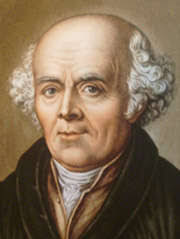
Doctrine of Complete Symptom and Concomitants in Homoeopathic Repertory Concepts: A Comprehensive Academic Review Abstract The Doctrine of Complete Symptom constitutes a fundamental principle in homoeopathic repertorization, originating from the seminal works of Samuel Hahnemann and subsequently refRead more
Doctrine of Complete Symptom and Concomitants in Homoeopathic Repertory Concepts: A Comprehensive Academic Review
Abstract
The Doctrine of Complete Symptom constitutes a fundamental principle in homoeopathic repertorization, originating from the seminal works of Samuel Hahnemann and subsequently refined by eminent pioneers such as Boenninghausen, Kent, and Boger. This academic document presents a comprehensive examination of the theoretical foundations, structural components, and clinical applications of complete symptom analysis within the homoeopathic therapeutic framework. The doctrine emphasises the integration of four essential elements—location, sensation, modalities, and concomitants—to construct a holistic representation of the patient’s disease state. This systematic approach enables homoeopathic practitioners to identify characteristic symptoms that transcend conventional pathological classifications, thereby facilitating the selection of similia through precise repertorial analysis. The present review synthesizes historical perspectives with contemporary interpretations, offering detailed insights into the methodological nuances that distinguish various repertorization approaches.
Keywords: Doctrine of Complete Symptom, Homoeopathy, Repertory, Concomitants, Boenninghausen, Kent, Totality of Symptoms
1. Introduction
Homoeopathy, as a therapeutic system founded on the principle of similia similibus curentur (like cures like), relies fundamentally upon the comprehensive evaluation of symptoms to identify the most appropriate medicinal substance for each individual patient. The efficacy of homoeopathic prescription depends critically upon the accuracy with which the totality of symptoms is perceived, analysed, and subsequently matched against the pathogenic profiles of medicinal agents documented in the materia medica. Within this context, the Doctrine of Complete Symptom emerges as a pivotal conceptual framework that guides practitioners in constructing meaningful symptom complexes for repertorial analysis and remedy selection.
The repertory, conceived as a systematic index of symptoms cross-referenced to medicinal agents, serves as an indispensable tool in homoeopathic practice. However, the mere presence of symptoms in the patient does not automatically confer therapeutic significance. Hahnemann recognised that symptoms must be evaluated according to their characteristic value, emphasises the importance of symptoms that are strange, rare, and peculiar to the individual case [1]. The Doctrine of Complete Symptom provides the methodological structure through which such characteristic symptoms can be systematically identified and employed in repertorization.
This document presents a detailed academic exposition of the Doctrine of Complete Symptom and its companion concept of concomitants within the context of homoeopathic repertory methodology. The analysis draws upon primary sources including Hahnemann’s Organon of Medicine, Boenninghausen’s Therapeutic Pocket Book, Kent’s Repertory of Homoeopathic Materia Medica, and Boger’s Boenninghausen’s Characteristics and Repertory, among other foundational texts. Through this examination, the document aims to elucidate the theoretical underpinnings, practical applications, and contemporary relevance of these concepts in homoeopathic clinical practice and research.
2. Historical Development of the Doctrine
2.1 Origins in Hahnemannian Philosophy
The conceptual foundations of the Doctrine of Complete Symptom trace directly to Samuel Hahnemann’s seminal work, the Organon of Medicine. Hahnemann established the principle that disease manifestation consists of the totality of perceptible signs and symptoms, which together constitute the sole guide to therapeutic intervention [1]. In Aphorism 6, Hahnemann states that the physician perceives “nothing in the disease to be cured except changes in the state of health of the body and the mind (which the patient feels and which others perceive)” [1]. This holistic perspective demands that symptoms be considered not as isolated phenomena but as integrated expressions of the individual’s altered state of health.
Hahnemann’s concept of “strange, rare, and peculiar” symptoms, articulated in Aphorism 153, represents the earliest articulation of what would evolve into the Doctrine of Complete Symptom. He emphasised that such peculiar symptoms, which distinguish each case of disease from another of similar name, must receive special attention during case analysis and remedy selection [1]. However, Hahnemann did not provide a systematic methodology for constructing such characteristic symptoms from the raw data of the case history. The development of this methodological framework would fall to subsequent generations of homoeopathic scholars.
2.2 Boenninghausen’s Contribution
The systematic formulation of the Doctrine of Complete Symptom is attributed primarily to Clemens Maria Franz von Boenninghausen (1785-1864), a German physician who became one of Hahnemann’s most influential disciples. Boenninghausen recognised that the therapeutic success of homoeopathy depended upon the physician’s ability to identify and utilise symptoms that possessed genuine characteristic value—symptoms that could reliably distinguish one pathological state from another and guide the selection of the appropriate simillimum [2].
Boenninghausen was convinced of the necessity of four distinct elements for constituting a complete symptom, and when these elements were present together, the symptom achieved the status of what he termed a “Grand Symptom” [2]. Without these four essential components, Boenninghausen did not consider a symptom to possess sufficient reliability for therapeutic purposes. The four elements he identified were location (seat of the complaint), sensation (the character of the symptom), modalities (conditions of aggravation and amelioration), and concomitants (accompanying symptoms of a different sphere) [2].
Boenninghausen articulated his rationale in his contribution to the judgment concerning the characteristic value of symptoms, stating that only symptoms possessing these complete attributes could serve as reliable indicators in the selection of the homoeopathic remedy [3]. His Therapeutic Pocket Book, first published in 1846, represented the first comprehensive implementation of this doctrine in repertorial form, organising symptoms according to these four categories to facilitate the construction of complete symptoms from the fragmentary data obtained during case-taking [4].
2.3 Evolution Through Kent and Boger
James Tyler Kent (1849-1916), the American homoeopathic physician whose repertory remains among the most widely used in contemporary practice, further developed the concept of complete symptoms while adapting it to his own philosophical framework [5]. Kent emphasised the hierarchy of symptoms, placing mental generals at the apex of the therapeutic hierarchy, followed by physical generals, and then particular symptoms [5]. He maintained that symptoms achieving the status of complete symptoms—particularly those manifesting as strange, rare, and peculiar expressions—constituted the most reliable indicators for remedy selection.
Cyrus Marsh Boger (1861-1935), another pivotal figure in the development of homoeopathic repertory methodology, borrowed extensively from Boenninghausen’s concepts while introducing significant refinements [6]. Boger subscribed fully to the principle of totality of symptoms and agreed with Boenninghausen concerning the constituent elements of a complete symptom. However, he improved upon Boenninghausen’s approach by more precisely relating sensations and modalities to specific anatomical locations, thereby creating a more clinically applicable synthesis [6]. The Boenninghausen Characteristics and Repertory (BBCR), which Boger compiled and edited, represents this refined approach to complete symptom analysis [6].
3. Structural Components of the Complete Symptom
The Doctrine of Complete Symptom postulates that a fully characterised symptom must incorporate four essential elements, each contributing distinct information to the overall clinical picture. These elements, systematically elaborated by Boenninghausen and subsequently refined by subsequent scholars, together enable the construction of symptom complexes that possess genuine characteristic value for homoeopathic prescription.
3.1 Location (Locus)
The first essential component of a complete symptom is the location or seat of the complaint. In homoeopathic terminology, this encompasses the anatomical site, area, or tissue affected by the pathological process. Location includes not only the primary site of symptom expression but also considerations of laterality (which side of the body is affected), extension (whether the complaint spreads to adjacent areas), and the specific tissue or organ involved [2].
Boenninghausen arranged locations in his Therapeutic Pocket Book according to a hierarchical structure, beginning with the head and proceeding through all anatomical regions to the feet [4]. This organisation enabled practitioners to identify symptoms with greater precision by specifying the exact anatomical seat of their complaints. The importance of location in complete symptom construction cannot be overstated, as it provides the anatomical framework within which the remaining elements must be understood.
However, Boenninghausen recognised that location alone possessed limited characteristic value, as many pathological conditions manifested in similar anatomical locations across numerous remedies. He noted that while location is directly related to the diagnosis of disease, it achieves characteristic significance only when it bears uncommon peculiarity that distinguishes it from ordinary pathological presentations [2]. Thus, the significance of location in complete symptom construction depends upon its capacity to differentiate—common locations possessed less therapeutic value than those manifesting unusual features.
3.2 Sensation (Character)
The second essential component is the sensation or character of the symptom. This element describes the qualitative nature of the patient’s experience—the subjective feeling or impression that characterises the complaint. Sensations in homoeopathic symptomatology encompass a vast range of subjective experiences, from common sensations such as pain, pressure, and burning to more peculiar qualia such as “as if cold water trickled through the veins” or “as if the heart were grasped by an iron hand” [2].
The importance of sensation in complete symptom analysis lies in its capacity to reveal the individual’s unique perceptual experience of their pathological state. Kent emphasised that the kind of sensation makes a symptom qualified, transforming a generic location-based complaint into a specific therapeutic indicator [5]. Different remedies produce different characteristic sensations, even when affecting the same anatomical location. For example, headache may be experienced as bursting, pressing, throbbing, or boring, each suggesting different therapeutic agents.
Boenninghausen recognised that the complete symptom required not merely any sensation but the specific, distinctive quality of sensation that characterised the individual case. He arranged sensations in his repertory according to their character, enabling practitioners to search for particular quality descriptors across multiple anatomical locations [4]. This cross-location analysis of sensations constituted one of the innovative features of his methodological approach.
3.3 Modalities (Conditions of Aggravation and Amelioration)
The third essential component comprises the modalities or conditions under which the symptom manifests, aggravates, or ameliorates. Modalities encompass all the circumstances that modify the patient’s experience of their complaint, including temporal factors (time of day, season, periodicity), positional factors (motion, rest, specific postures), thermal factors (sensitivity to heat, cold, or specific temperatures), and emotional or circumstantial factors (anger, grief, excitement, etc.) [2].
Boenninghausen attached special importance to symptoms possessing modalities, considering them essential for the construction of reliable therapeutic indicators [2]. The rationale for this emphasis lies in the characteristic nature of modal responses—different remedies produce symptoms with different modal patterns, and these patterns often serve as the most reliable differentiating factors between similar remedies. A symptom without modalities possesses limited characteristic value, as it fails to provide the specificity necessary for precise remedy differentiation.
The Therapeutic Pocket Book includes extensive sections devoted to modalities, organised according to the type of modifying factor involved [4]. This arrangement enables practitioners to construct complete symptoms by identifying the specific conditions that affect their patients’ complaints. Aggravations (conditions that worsen the symptom) and ameliorations (conditions that relieve the symptom) are both documented, as both contribute essential information to the complete symptom profile.
3.4 Concomitants (Accompanying Symptoms)
The fourth and final essential component is the concomitant or accompanying symptom. Concomitants are symptoms that occur simultaneously with the chief complaint but bear no apparent pathological relationship to it. They represent phenomena that coexist with the primary symptom without being directly caused by or related to the disease process in terms of conventional medical understanding [3].
The inclusion of concomitants as an essential element of the complete symptom represents one of Boenninghausen’s most significant contributions to homoeopathic methodology. He recognised that the presence of an apparently unrelated symptom alongside the chief complaint could serve as a powerful differentiating factor, particularly when that concomitant possessed the quality of strangeness, rarity, or peculiarity [3]. Hahnemann himself had emphasised the importance of such peculiar symptoms in Aphorism 153, and Boenninghausen operationalised this principle by systematically incorporating concomitants into the structure of the complete symptom [1].
Concomitants may arise from different spheres of the patient’s experience—the physical, mental, or emotional sphere—or may involve organ systems distant from the primary complaint. Their therapeutic significance lies in their capacity to reveal the totality of the patient’s altered state of health, demonstrating that disease manifests not merely as a local disturbance but as an integral affection of the entire organism. The following section provides detailed examination of concomitant symptoms and their role in homoeopathic practice.
4. Concomitant Symptoms: Definition, Classification, and Significance
4.1 Conceptual Definition
Concomitant symptoms, as defined by H.A. Roberts, are “symptoms that always accompany the main symptom but have no pathological relation to the chief ailment” [7]. This definition emphasises two essential characteristics: first, the consistent association of the concomitant with the chief complaint, and second, the absence of any explainable pathological connection between the two phenomena.
Boenninghausen provided a more detailed perspective, characterising concomitants as “coexisting symptoms of a disease under consideration but distinguished by a rare peculiarity and can be elevated to the rank of a characteristic symptom” [3]. This definition introduces the concept of peculiarity as the criterion for therapeutic significance—concomitants achieve characteristic value only when they possess qualities that distinguish them from ordinary manifestations of disease.
Dr. James Tyler Kent offered a pragmatic criterion for identifying characteristic concomitants, stating that “symptoms which make you hesitate and force you to ask ‘why’ are the characteristic symptoms” [5]. This formulation captures the essential quality of significance in concomitant symptoms—their capacity to provoke questions about their presence and meaning within the clinical picture.
4.2 Boenninghausen’s Three Qualifications for Characteristic Concomitants
According to Boenninghausen, concomitant symptoms must satisfy three prescribed qualifications to be elevated to the status of characteristic symptoms with genuine therapeutic value [3]. These qualifications provide the methodological framework for evaluating the clinical significance of concomitant phenomena.
4.2.1 First Qualification: Rarity
The first qualification is that of rarity. Boenninghausen specified that characteristic concomitants must be symptoms that “rarely appear in connection with the leading disease, and are, therefore, also found rarely among the provings” [3]. This criterion ensures that the concomitant is not merely a common accompaniment of the pathological process but represents something unusual and distinctive.
Examples of rare concomitants include: fever patient preferring to drink only in the stage of chilliness (characteristic of Apis), symmetrical distribution of eruption (characteristic of Arnica), prosopalgia associated with nasal discharge on the same side (characteristic of Spigelia), and diarrhoea without prostration (characteristic of Acid phosphoricum) [3]. In each instance, the concomitant represents a phenomenon that would not be expected based upon conventional pathological understanding of the disease process.
4.2.2 Second Qualification: Belonging to Another Sphere
The second qualification requires that characteristic concomitants must be symptoms that “belong to another sphere of the disease than the chief ailment” [3]. This criterion emphasises the importance of concomitant symptoms manifesting in organ systems or functional spheres distinct from the primary complaint.
This qualification typically involves a relationship wherein the concomitant has no direct pathological connection to the chief complaint, even though both phenomena coexist in the same patient. Examples include: headache ameliorated by profuse urination (characteristic of Gelsemium), coryza associated with polyurea (characteristic of Calcarea carbonica), pain accompanied by chilliness (characteristic of Pulsatilla), and uterine prolapse ameliorated by crossing legs with an empty all-gone sinking sensation (characteristic of Sepia) [3].
The therapeutic significance of this qualification lies in its demonstration of the holistic nature of disease—the disturbance in the vital force manifests not merely as a local symptom but as an alteration affecting multiple spheres simultaneously, even when these spheres bear no apparent pathological relationship to one another.
4.2.3 Third Qualification: Characteristic Drug Signs
The third qualification specifies that characteristic concomitants must be symptoms that possess “more or less of a characteristic signs of one of the medicines, even in case they have not before been noticed in the present juxtaposition” [3]. This qualification recognises that certain remedy-pathogenic relationships produce characteristic concomitant patterns that may be identified even when the concomitant has not previously been observed in association with the chief complaint.
Examples include: erysipelas with vesicles, burning during micturition, tenesmus, and bloody urine (characteristic of Cantharis—urinary symptoms not being usual accompaniments of erysipelas), and uterine prolapse with desire to give hard pressure on parts and increased sexual desire (characteristic of Lilium tigrinum—increased sexual desire not being a usual accompaniment of uterine prolapse) [3].
4.3 Role of Concomitants in Totality Construction
Concomitant symptoms play a crucial role in the construction of the totality of symptoms, which constitutes the therapeutic indication for the simillimum. H.A. Roberts articulated this principle by stating that “what concomitance to the totality is, modality is to a single symptom” [7]. This formulation recognises that concomitant symptoms serve as the differentiating factor for the totality of symptoms in the same way that modalities serve as the differentiating factor for individual symptoms.
This principle implies that concomitant symptoms provide the characteristic specificity necessary to distinguish one totality from another. Without concomitants, two patients presenting with similar chief complaints might have clinically indistinguishable symptom pictures. The presence of characteristic concomitants transforms an ordinary clinical picture into a distinctive totality that can be matched to the appropriate remedy [7].
Boenninghausen established parameters for characteristic symptoms that include individuality of the patient, disease individualisation, seat of disease, primary cause (prima causa morbi), concomitance, modality, and time modality [3]. Within this framework, concomitance received prime importance, referred to in Boenninghausen’s system as “Quibus Auxiliis”—the “with what aid” or “what accompanying symptoms” element of case analysis [3].
4.4 Clinical Application of Concomitant Analysis
The practical application of concomitant analysis in clinical practice involves the systematic identification and evaluation of symptoms that accompany the chief complaint. This process requires the physician to maintain awareness of the possibility that seemingly unrelated symptoms may possess therapeutic significance and to document these symptoms with the same attention afforded to the primary complaint.
Concomitant symptoms may be identified in any sphere of the patient’s experience—mental, emotional, or physical—and may involve organ systems or functional processes distinct from the primary pathology. The therapeutic value of these concomitants depends upon their strangeness, rarity, and peculiarity, as well as their capacity to differentiate the patient’s individual totality from other similar presentations.
Clinical examples demonstrate the differentiating value of concomitant symptoms across various pathological states. For cardiac complaints, concomitants such as vertigo on deep breath (Cactus), awful deathly sinking feeling in epigastrium (Digitalis), choking in throat with hoarseness (Naja), or retention of urine (Laurocerasus) serve to distinguish between remedies that might otherwise present similar cardiac symptoms [3]. Without the documentation and consideration of these concomitants, the therapeutic differentiation between these remedies would be significantly compromised.
5. Methodological Applications in Repertorization
5.1 Boenninghausen’s Approach
Boenninghausen’s methodological approach to repertorization, implemented through his Therapeutic Pocket Book, represents the most systematic application of the Doctrine of Complete Symptom [4]. His approach proceeds from the Hahnemannian theory that it is the whole patient who is sick, that the parts together make the whole, and that the whole consists of parts [2]. This philosophical position demands that every symptom or fragment of a symptom must be understood as belonging to the case as a whole, enabling the physician to complete partial symptoms by combining separated fragments as a unified totality.
Boenninghausen’s avowed object was to “open a way into the wide field of combinations and to help the physician to obtain complete symptoms” [2]. He recognised that in actual practice, many patients only express fragments of complete symptoms—one patient might report a sensation without clear localisation, another might describe modalities without clear sensation, and a third might present concomitant symptoms without clear connection to the chief complaint. The Therapeutic Pocket Book was designed to enable practitioners to combine these fragments across different symptoms to construct complete therapeutic indicators.
The process of constructing complete symptoms in Boenninghausen’s method involves what he termed “grand generalisation”—the principle by which each symptom (sensation and modality) present in one part is predicated to be a symptom of the whole [2]. This generalisation enables the physician to take the location from one symptom, the sensation from another, and the modality from a third, combining these elements to form a grand totality representing the individual [2]. The arrangement of rubrics in the Therapeutic Pocket Book follows this principle, listing causative modalities, other modalities (aggravation and amelioration), concomitants, physical generals, locations and sensations, pathological generals, and clinical rubrics in an order that depends upon the availability of data and their peculiarity [2].
5.2 Boger-Condonized Repertory Approach
Cyrus Marsh Boger’s refinement of Boenninghausen’s approach, embodied in the Boenninghausen Characteristics and Repertory (BBCR), improved upon the original methodology by more precisely relating sensations and modalities to specific anatomical parts [6]. Boger recognised that while grand generalisation provided a useful methodological framework, it was often unnecessary in clinical practice when the affected parts could be clearly identified and related to specific sensations and modalities.
The BBCR organises symptoms according to the affected parts (locations), with the associated sensations and modalities arranged according to their relationship to these locations [6]. This arrangement enables more direct access to complete symptom complexes, as the physician can identify the affected location and subsequently examine the associated sensations and modalities within that section of the repertory.
Boger found it seldom necessary to perform extensive grand generalisation, as the specificity of his repertorial arrangement enabled the construction of complete symptoms without necessarily combining elements across different anatomical locations [6]. He emphasized that affected parts should be considered as to their local sensations, and that sensations should be expressed according to the mentality of the subject [6]. This refinement recognised that the attributes of symptoms (modalities) are often of greater importance than the sensations themselves in clinical differentiation.
5.3 Kent’s Approach to Complete Symptoms
James Tyler Kent’s approach to complete symptoms, while deriving from the same Hahnemannian foundations, manifested differently in his methodological framework [5]. Kent’s hierarchy of symptoms emphasised a different prioritisation, with the highest importance given to mental generals, followed by physical generals, and then characteristic particulars [5].
Kent subscribed to the Doctrine of Complete Symptoms but approached the construction of symptom totals differently from Boenninghausen. Where Boenninghausen emphasised the combination of elements across different symptoms and locations to construct grand symptoms, Kent maintained that particulars should be kept with their own modalities rather than being generalised across the whole organism [5]. This approach reflects Kent’s emphasis on the hierarchical structure of symptoms, wherein generals take precedence over particulars in therapeutic decision-making.
Kent’s method of evaluation of symptoms prioritises the strange, rare, and peculiar symptoms, followed by mental generals, physical generals, and then characteristic particulars [5]. This hierarchy ensures that the most characteristic elements of the case receive appropriate weighting in the repertorization process, even when these elements might be fewer in number than less significant symptoms.
5.4 Construction of Complete Symptoms: Practical Methodology
The practical construction of complete symptoms for repertorization involves several methodological approaches that enable the physician to transform fragmentary case data into meaningful therapeutic indicators.
Scenario One: Analogy Method
When the first complete symptom is identified but lacks complete specification of all four elements, the analogy method enables the physician to complete the missing attributes by considering corresponding elements from other symptoms in the same anatomical region [8]. For example, if a patient reports pressing abdominal pain (location and sensation present) but the modalities remain unspecified, the physician might consider modalities observed in other abdominal symptoms or general modalities applying across the case to complete the symptom profile.
Scenario Two: Generalisation Method
When a second complete symptom is identified, the generalisation method enables the physician to consider concomitant symptoms associated with the first symptom to complete the second [8]. This approach recognises that concomitant symptoms occurring with one complaint may serve as general concomitants applicable across multiple symptom expressions in the same patient.
Scenario Three: Complete Fragment Analysis
When multiple fragments of symptoms are available but none achieves complete status independently, the complete fragment analysis method enables the physician to take all available fragments and repertorize them collectively [8]. This approach maximises the use of available case information, combining all available elements to construct therapeutic indicators that may not achieve classical complete symptom status but nevertheless possess clinical utility.
6. Comparative Analysis of Repertorization Methods
6.1 Boenninghausen versus Kent
The comparison between Boenninghausen’s and Kent’s approaches to complete symptoms reveals fundamental philosophical differences in their understanding of disease and therapeutic indication. Boenninghausen emphasised the combination of elements across symptoms to construct grand totals, viewing disease as a disturbance affecting the whole organism that must be reflected in correspondingly comprehensive symptom totals [2]. Kent, while acknowledging the importance of totality, maintained a more hierarchical approach wherein generals took precedence over particulars in therapeutic decision-making [5].
These differences manifest in the organisation of their respective repertories. The Therapeutic Pocket Book arranges symptoms according to the four elements of complete symptoms (location, sensation, modalities, concomitants), enabling cross-referencing across different anatomical regions [4]. Kent’s Repertory arranges symptoms according to anatomical location, with modalities and concomitants distributed throughout rather than consolidated in a separate section [5]. This organisational difference reflects the different methodological priorities of each author.
The choice between these approaches depends upon the nature of the case and the therapeutic objectives. For cases presenting clear localisation with complex modal patterns, the Boenninghausen method may provide more direct access to the characteristic symptom [2]. For cases presenting prominent mental or general symptoms, Kent’s hierarchy may better facilitate the identification of the most significant therapeutic indicators [5].
6.2 Integration of Approaches
Contemporary homoeopathic practice often benefits from the integration of these methodological approaches, enabling the physician to utilise the most appropriate techniques for each clinical situation. The availability of comprehensive repertories and computerised repertorial tools has facilitated this integration, enabling practitioners to access symptom information across multiple organisational frameworks.
The key to effective repertorization lies not in rigid adherence to any single methodology but in the flexible application of principles appropriate to each individual case. The Doctrine of Complete Symptom provides the conceptual foundation, while the specific methodological choices depend upon the nature of the available case data, the characteristic elements present, and the therapeutic objectives of the prescription.
7. Clinical Significance and Contemporary Relevance
7.1 Therapeutic Implications
The Doctrine of Complete Symptom possesses significant therapeutic implications for homoeopathic practice. By emphasising the construction of complete symptoms incorporating location, sensation, modalities, and concomitants, this doctrine ensures that the therapeutic indication is based upon the most characteristic elements of the patient’s presentation rather than upon common, non-distinguishing symptoms.
Common symptoms, which are pathognomonic and found in many disease manifestations and remedies, possess the least prescribing value [2]. They indicate the presence of disease but do not contribute to the individualisation of the case. The complete symptom approach directs attention toward uncommon symptoms that cannot be explained by physiology, pathology, and anatomy alone—symptoms that reveal the patient’s unique response to their pathological state [2].
The inclusion of concomitants as essential elements of the complete symptom further enhances therapeutic precision. As Boenninghausen recognised, the concomitant symptom is to the totality what the condition of aggravation or amelioration is to the single symptom—it constitutes the differentiating factor that distinguishes one totality from another [2]. This differentiation enables the physician to select the simillimum with greater confidence, knowing that the prescription is based upon the most characteristic elements of the case.
7.2 Quality over Quantity Principle
An important principle embedded within the Doctrine of Complete Symptom is that the quality of symptoms matched is more significant than the quantity of symptoms matched. Boenninghausen emphasised that the number of rubrics covered is more important than the number of marks (repertorial gradations) assigned to each remedy [2]. This principle ensures that therapeutic decisions are based upon characteristic symptoms possessing genuine differentiating value rather than upon common symptoms that might match many remedies without contributing to individualisation.
Higher matched and graded medicines must be analysed in relation to the materia medica for final differentiation [2]. The repertorial process provides the initial indication of potentially similar remedies, but the final prescription must be confirmed through study of the remedy pathogenesis and its correspondence to the patient’s totality. The complete symptom approach facilitates this confirmation by ensuring that the characteristic elements of the case are clearly identified and available for comparison with the materia medica.
7.3 Contemporary Research and Validation
Contemporary research in homoeopathy continues to explore the clinical utility of the complete symptom approach. Observational studies examining the representation of concomitants in clinical cases have demonstrated the practical value of concomitant symptom analysis in case differentiation [9]. Such research contributes to the evidence base supporting the methodological principles established by Boenninghausen and subsequent practitioners.
The integration of complete symptom analysis with contemporary clinical practice requires ongoing attention to the principles underlying this approach while adapting methodological tools to current practice contexts. Computerised repertorial systems have facilitated the application of these principles, enabling rapid cross-referencing of complete symptom elements across extensive databases of remedy-pathogen relationships.
8. Limitations and Challenges
8.1 Case-Taking Requirements
The effective application of the Doctrine of Complete Symptom places significant demands upon the case-taking process. The identification of complete symptoms requires detailed information regarding all four elements—location, sensation, modalities, and concomitants—for each significant complaint. This level of detail necessitates thorough case-taking that explores not only the chief complaint but also the associated phenomena that might constitute therapeutic concomitants.
Limitations in case-taking may result in incomplete symptom construction, wherein the available information does not permit the identification of all four elements of the complete symptom. In such situations, the physician must employ the methodological approaches for completing partial symptoms, as described in Section 5.4, while acknowledging the reduced certainty that accompanies incomplete data.
8.2 Subjectivity in Characteristic Evaluation
The determination of which symptoms possess characteristic value involves subjective judgment that may vary among practitioners. While the criteria established by Boenninghausen—rarity, belonging to another sphere, and characteristic drug signs—provide guidance, their application requires clinical experience and judgement that may be developed only through sustained practice.
The training implications of this subjectivity suggest the importance of mentorship and supervised clinical experience in developing competency in complete symptom analysis. Theoretical understanding of the doctrine must be complemented by practical application under experienced guidance to develop the clinical judgment necessary for effective symptom evaluation.
8.3 Repertorial Completeness
The effectiveness of complete symptom analysis depends upon the comprehensiveness of the repertorial tools available to the practitioner. No repertory can include all possible symptom manifestations, and the absence of particular symptom combinations from the repertory may limit the utility of complete symptom analysis in certain cases.
The ongoing development and refinement of homoeopathic repertories addresses this limitation, with contemporary repertories incorporating an expanded base of symptom information derived from historical provings and clinical observations. Computerised repertorial systems further facilitate the continuous update and expansion of symptom databases, enabling practitioners to access the most comprehensive symptom information available.
9. Conclusion
The Doctrine of Complete Symptom represents a foundational conceptual framework within homoeopathic repertory methodology, providing the theoretical and practical basis for the construction of meaningful therapeutic indicators from the raw data of clinical presentation. Originating from Hahnemann’s emphasis on strange, rare, and peculiar symptoms, this doctrine was systematically elaborated by Boenninghausen, who identified the four essential elements of complete symptoms: location, sensation, modalities, and concomitants.
Concomitant symptoms, as integral components of complete symptom construction, serve as crucial differentiating factors in therapeutic decision-making. Boenninghausen’s three qualifications for characteristic concomitants—rarity, belonging to another sphere, and characteristic drug signs—provide the methodological criteria for evaluating the therapeutic significance of accompanying symptoms.
The application of complete symptom analysis in repertorization differs among the major methodological approaches, with Boenninghausen emphasising grand generalisation across symptoms, Boger refining this approach with more precise location-sensation-modality relationships, and Kent prioritising the hierarchical structure from generals to particulars. Contemporary practice benefits from the flexible integration of these approaches according to the specific requirements of each clinical case.
The enduring relevance of the Doctrine of Complete Symptom in contemporary homoeopathic practice demonstrates its foundational importance to the therapeutic methodology of the system. By ensuring that prescription is based upon characteristic symptoms possessing genuine differentiating value, this doctrine contributes to the precision and reliability of homoeopathic prescribing that constitutes the system of therapeutic individualisation developed by Hahnemann and refined by subsequent generations of homoeopathic practitioners.
References
1. Hahnemann S. Organon of Medicine. 6th ed. New Delhi: B. Jain Publishers; 2003.
2. Anonymous. Repertorization methods: Kent, Boenninghausen, Boger. Hpathy [Internet]. 2024 [cited 2025 Jan 15]. Available from: https://hpathy.com/homeopathy-repertory/repertorization-methods-kent-boenninghausen-boger-an-overview/
3. Iyer NH. Concomitant symptom – a critical study. Homeobook [Internet]. 2024 [cited 2025 Jan 15]. Available from: https://www.homeobook.com/concomitant-symptom-a-critical-study/
4. Allen TF. Boenninghausen’s Therapeutic Pocket Book. New Delhi: B. Jain Publishers; 2004.
5. Kent JT. Repertory of the Homoeopathic Materia Medica. 6th corrected ed. New Delhi: B. Jain Publishers; 2004.
6. Boger CM. Boenninghausen’s Characteristics, Materia Medica & Repertory. New Delhi: B. Jain Publishers; 2003.
7. Roberts HA. The Principles and Art of Cure by Homoeopathy. New Delhi: B. Jain Publishers; 2002.
8. Singhal A. Repertorisation with one complete symptom: a precise approach. Homeopathy360 [Internet]. 2024 [cited 2025 Jan 15]. Available from: https://www.homeopathy360.com/repertorisation-with-one-complete-symptom-a-precise-approach/
9. Anonymous. Exploring the representation of various categories of concomitants in clinical cases: a retrospective observational case series study. Hpathy [Internet]. 2024 [cited 2025 Jan 15]. Available from: https://hpathy.com/scientific-research/exploring-the-representation-of-various-categories-of-concomitants-in-clinical-cases-a-retrospective-observational-case-series-study/
See less

Repertorial Totality in Homoeopathy: A Comprehensive Academic Analysis Abstract Repertorial Totality represents one of the fundamental pillars of homoeopathic prescribing methodology, serving as the cornerstone for remedy selection in clinical practice. This comprehensive analysis explores the conceRead more
Repertorial Totality in Homoeopathy: A Comprehensive Academic Analysis
Abstract
Repertorial Totality represents one of the fundamental pillars of homoeopathic prescribing methodology, serving as the cornerstone for remedy selection in clinical practice. This comprehensive analysis explores the conceptual foundations, philosophical underpinnings, and practical applications of repertorial totality within the homoeopathic therapeutic framework. Originating from Samuel Hahnemann’s seminal work in the Organon of Medicine, the concept of totality has evolved through contributions from influential practitioners including Boenninghausen, Kent, and Boger, each contributing distinct perspectives that have enriched its understanding and application. The present document examines the theoretical basis of repertorial totality, its structural components, methodological approaches, and clinical significance in contemporary homoeopathic practice.
1. Introduction
The concept of repertorial totality stands as the quintessential diagnostic hallmark of homoeopathy, representing a methodological approach that distinguishes this therapeutic system from conventional medicine. In the realm of holistic medicine, the totality of symptoms functions as the fundamental diagnostic criterion upon which homoeopathic prescription is based, enabling practitioners to identify the simillimum—the remedy most similar to the patient’s disease manifestation (1). The term “repertorial totality” refers to that constellation of symptoms and clinical manifestations that are systematically organized, cross-referenced, and utilized in the process of repertorization to identify the most appropriate therapeutic agent (2).
Repertorization, defined as the specific technique of taking the totality of symptoms of a given disease and utilizing a compilation of these indications cross-referenced to medicinal agents, serves as the primary tool for finding the curative remedy (3). The repertory itself functions as a connecting link between the patient symptoms and the materia medica, enabling practitioners to navigate the vast therapeutic landscape of homoeopathic medicines efficiently (4). Without the systematic organization provided by repertories, the homoeopathic materia medica would remain cumbersome and impractical for daily clinical application (5).
The significance of repertorial totality extends beyond mere symptom matching; it encompasses a philosophical understanding of disease as a dynamic derangement of the vital force, wherein symptoms represent the outward manifestation of internal disturbance. This conceptual framework emphasizes that effective treatment must address the entire symptomatic picture rather than isolated complaints, thereby establishing the theoretical foundation for individualized homoeopathic prescription (6).
2. Historical Development and Key Contributors
2.1 Samuel Hahnemann and the Organon Foundation
The conceptual framework of repertorial totality finds its origins in Samuel Hahnemann’s (1755-1843) foundational work, particularly in the sixth edition of the Organon of Medicine. In Aphorism 7, Hahnemann articulated the fundamental principle that the totality of symptoms must be the principal, indeed the only thing the physician has to take note of in every case of disease and to remove by means of his art, in order that it shall be cured and transformed into health (7). This aphorism establishes that in the absence of any manifest exciting or maintaining cause, the symptoms alone constitute the basis for remedy selection, with the totality of these manifestations representing the outwardly reflected picture of the internal essence of the disease, that is, the affection of the vital force (8).
Hahnemann’s definition of totality emerges from his understanding of disease as a dynamic disturbance rather than a material entity. In Aphorism 8, he emphasizes that once all symptoms have been removed, nothing should remain except health, challenging the materialistic pathology that suggests disease could persist internally after symptom resolution (9). This perspective fundamentally distinguishes homoeopathic philosophy from conventional medical approaches, establishing symptoms as the sole reliable guide to treatment while acknowledging the dynamic nature of disease manifestation.
The concept receives further elaboration in Aphorism 153, which addresses the characteristic nature of symptoms to be emphasized in case taking. Hahnemann states that in the quest for the homeopathically specific remedy, the more conspicuous, exceptional, unusual, and odd (characteristic) signs and symptoms of the disease case are to be especially and almost solely kept in view (10). This emphasis on characteristic symptoms ensures that the totality constructed for repertorization purposes reflects the most distinctive features of the patient’s condition, facilitating more precise remedy selection.
Aphorism 257 further refines this concept by employing the more complete phrase “totality of characteristic symptoms,” establishing that effective prescription depends not merely on the quantity of symptoms but on their quality and distinctive character (11). This philosophical foundation has guided all subsequent developments in repertorial methodology, establishing the parameters within which totality must be erected and interpreted.
2.2 Boenninghausen’s Contribution
Baron Clemens Maria Franz von Boenninghausen (1785-1864), a contemporary and close student of Hahnemann, made seminal contributions to the systematization of repertorial totality. His Therapeutic Pocket Book, published in 1846, represented the first systematic attempt to organize homoeopathic therapeutic knowledge into a practical clinical tool (12). Boenninghausen’s understanding that characteristic indications were those bearing particular relationship to one another revolutionized the approach to totality construction (13).
The Boenninghausen concept of totality comprises seven distinct maxims that provide structural organization to the case analysis process. These seven points, derived from the Latin interrogatives, encompass the essential dimensions of disease manifestation: QUID (the nature and peculiarity of the disease), QUIS (the personality and individuality of the patient), UBI (the seat of the disease), QUIBUS AUXILIIS (accompanying symptoms), CUR (the cause of the disease), QUOMODO (modification, includingaggravation and amelioration), and QUANDO (the time dimension) (14). This framework ensures comprehensive case evaluation that addresses all relevant aspects of the patient’s symptomatic presentation.
Boenninghausen developed four foundational doctrines that underpin his approach to repertorial totality. The Doctrine of Analogy permits the construction of complete symptoms by combining scattered elements, based on the principle that “what is true to the part is also true to the whole person” (15). This doctrine facilitates the elevation of local symptoms to general status, addressing the practical challenge of incomplete proving data by enabling extrapolation from known symptom relationships.
The Doctrine of Concomitance identifies those symptoms that exist together with the leading symptom without theoretical pathological relationship, yet demonstrate actual clinical relationship through simultaneous manifestation in the same person at the same time (16). These unreasonable attendants serve as differentiating factors in case analysis, enabling the practitioner to distinguish between similar disease presentations and remedy pictures. Hahnemann himself praised Boenninghausen’s work in a footnote for arranging the characteristic symptoms of homeopathic medicines in a manner that facilitated their practical application (17).
2.3 James Tyler Kent’s Systematic Approach
James Tyler Kent (1849-1916) contributed significantly to the development of a hierarchical approach to repertorial totality, emphasizing the primacy of mental and general symptoms in case analysis. Kent’s philosophy rests on the principle that removal of the totality of symptoms equals removal of the cause, establishing a direct correspondence between symptomatic resolution and disease eradication (18). His lectures on homoeopathic philosophy elaborate this concept extensively, emphasizing that when symptoms disappear under the action of the simillimum, the disease ceases to exist because the totality of symptoms represents the entire representation of the disease (19).
Kent established a systematic hierarchy for symptom evaluation, wherein every symptom must be examined to determine its relation to the totality, its position within the totality, and its value in the overall assessment (20). This hierarchical approach recognizes that certain symptom categories carry greater clinical significance than others, with mental symptoms and general symptoms occupying the highest positions in the evaluative framework. The general symptoms, when more closely characterized, provide the most reliable basis for remedy differentiation, while common symptoms seemingly insignificant in isolation may become characteristic when properly contextualized (21).
The Kentian approach emphasizes that totality should not be understood as the mere sum of independent symptoms; rather, it represents the essential characteristics and image of the sickness that brings a clear idea of the nature of the disease (22). Many small symptoms can be omitted without damaging the totality, as the essential features of the disease presentation take precedence over peripheral manifestations. This understanding cautions against prescribing from only a partial view of the case, which Kent identifies as a common mistake leading to suboptimal therapeutic outcomes (23).
2.4 Cyrus Maxwell Boger’s Integrated Approach
Cyrus Maxwell Boger (1861-1935) developed an integrated approach to repertorial totality that synthesized elements from both Boenninghausen and Kent while introducing novel concepts regarding pathological generals and time dimensions. His Synoptic Key of the Materia Medica represents a significant contribution to the practical application of totality principles in clinical practice (24). Boger’s approach entails pathological generals, tissue affinity, and the time dimension along with Boenninghausen’s concept of totality, creating a comprehensive framework for case analysis (25).
Boger detailed his approach to identification and development of the totality through a “combination of the analytic and synoptic methods,” enabling practitioners to systematically evaluate and organize case information (26). His work recognized that the totality of a case constitutes the basis for repertorization and serves the purpose of finding the most similar medicine of the materia medica, establishing the theoretical foundation for modern repertorial practice (27).
3. Conceptual Framework of Repertorial Totality
3.1 Definition and Fundamental Principles
Repertorial totality may be defined as a logically related group of symptoms that characterize a particular disease manifestation, selected and organized according to specific principles for the purpose of remedy identification through repertorization (28). This concept embodies the holistic philosophy of homoeopathy, wherein the disease is understood not as an isolated pathological entity but as a comprehensive manifestation of disturbance in the vital force.
The fundamental principle underlying repertorial totality is that disease manifests through symptoms, and these symptoms collectively represent the internal pathological state. According to Hahnemann’s formulation, the totality of symptoms constitutes the outward image of the internal essence of the disease, making symptom totality the sole guide to remedy selection (29). This principle establishes symptoms as the primary source of diagnostic information, rejecting the materialistic approach that seeks to identify disease through pathological anatomy or laboratory investigations.
The concept of characteristic symptoms forms a crucial component of totality construction. Characteristic symptoms are those that distinguish one case from another, encompassing not only the unusual and exceptional but also symptoms that, through proper characterization and arrangement, acquire distinctive significance (30). The arrangement of elements in time and space confers distinctiveness upon the totality, such that even common symptoms can become characteristic when properly contextualized within the case presentation (31).
3.2 Distinction Between Totality and Complete Symptom
Understanding the relationship between complete symptoms and totality is essential for effective repertorization. A complete symptom comprises three essential elements: location (the anatomical region affected), sensation (the subjective experience of the patient), and modality (the conditions that modify the symptom) (32). These three components together provide the basic unit of information that can be meaningfully repertorized.
The totality, however, transcends the simple aggregation of complete symptoms. It represents a logical combination of symptoms that characterizes the person as an individual while also differentiating the current presentation from other similar conditions (33). The distinction between “the totality of symptoms” and “symptom totality” is significant: the former refers to all perceptible manifestations of the disease, while the latter refers specifically to those symptoms selected for repertorial analysis and matching.
This conceptual differentiation has important practical implications. Many symptoms can be collected during case taking without all of them being incorporated into the repertorial totality. The practitioner must exercise judgment in selecting those symptoms that will most effectively differentiate between potential remedies, focusing on characteristic features rather than attempting comprehensive symptom enumeration (34).
3.3 Relationship to Disease Classification
An important consideration in constructing repertorial totality involves the relationship between patient symptoms and specific disease entities. A patient may suffer from more than one disease simultaneously, each with its own totality of symptoms (35). The practitioner must determine which symptom constellation corresponds to which disease process, ensuring that the totality erected accurately reflects the condition requiring treatment.
Hahnemann’s disease classification distinguishes between primary and secondary diseases, with primary diseases being constant in nature and often having discernible causes, while secondary diseases are of variable nature requiring emphasis on symptomatic presentation (36). The disease image will generally reveal secondary diseases, and it is these manifestations that typically constitute the basis for repertorial totality construction.
This understanding has significant implications for chronic versus acute disease management. In acute diseases, characteristic symptoms are generally more striking, requiring less detailed investigation for totality construction. Chronic diseases, however, demand the most careful and minute investigation, going into the smallest details, as the characteristic symptoms are often most exceptional and least resembling those of rapidly passing diseases (37). Patients with chronic conditions frequently become accustomed to their suffering and may ignore smaller symptoms, yet these accompanying deviations from the healthy state are often decisive in searching out the appropriate remedy (38).
4. Structural Components of Repertorial Totality
4.1 The Boenninghausen Framework
The Boenninghausen approach to totality structure organizes symptoms into seven distinct categories, each addressing a specific dimension of disease manifestation. This framework ensures comprehensive evaluation while maintaining systematic organization for repertorial purposes.
Quis (Personality) encompasses the individual characteristics of the patient, including constitutional features, temperament, and personal history. This dimension recognizes that disease manifests differently in different individuals, and understanding the patient’s personality contributes to accurate totality construction.
Quid (Disease Nature) addresses the essential character of the pathological process, including the quality and intensity of symptoms. This component examines what is happening in the disease process, establishing the fundamental nature of the disturbance.
Ubi (Seat) identifies the anatomical location of the disease manifestation, whether general or local. Boenninghausen’s doctrine of analogy permits the application of symptoms pertaining to one part to other parts of the body, raising local symptoms to general status for comprehensive evaluation (39).
Quibus Auxiliis (Accompanying Symptoms) comprises those symptoms that exist concurrently with the leading symptom without having direct pathological relationship to it. These concomitant symptoms serve as crucial differentiating factors, as they reflect the unique way in which the disease manifests in this particular individual (40).
Cur (Cause) addresses the etiological factors, including both exciting and maintaining causes. While Hahnemann indicated that manifest causes must be removed before symptomatic treatment, understanding causation contributes to comprehensive totality construction (41).
Quomodo (Modifications) encompassesaggravation and amelioration factors, including the conditions under which symptoms worsen or improve. This dimension includes modality factors such as time, weather, temperature, position, and other circumstantial influences that modify the symptom presentation.
Quando (Time) addresses temporal aspects of symptom manifestation, including time of day, season, menstrual cycle, and other temporal relationships. This component recognizes that disease manifestations follow characteristic temporal patterns that contribute to remedy differentiation.
4.2 The Kentian Hierarchy
Kent’s approach to totality structure emphasizes a hierarchical organization that prioritizes certain symptom categories based on their clinical significance. This hierarchy guides practitioners in evaluating and weighting symptoms during case analysis.
At the highest level, mental symptoms occupy the primary position, reflecting Kent’s philosophical emphasis on the importance of the spiritual-mental essence in disease manifestation. These symptoms encompass alterations in mental function, emotional states, and cognitive processes.
General symptoms constitute the second tier, representing manifestations that affect the entire organism rather than specific locations. These symptoms relate to overall well-being, energy levels, sleep, appetite, and other systemic functions.
Particular symptoms form the third category, encompassing local manifestations with their specific modalities and characteristics. These symptoms, while less significant than generals in the Kentian framework, remain essential for remedy differentiation.
Common symptoms, representing manifestations shared by many diseases and remedies, occupy the lowest position in the hierarchy. While seemingly less significant, these symptoms can acquire importance when properly characterized and contextualized (42).
4.3 The Boger Integration
Boger’s approach synthesizes elements from multiple traditions, incorporating pathological generals as a distinct category. His framework recognizes that certain symptoms represent tissue or organ system affinity, providing a systematic basis for remedy differentiation based on structural pathology (43).
The time dimension receives particular emphasis in Boger’s methodology, addressing not only temporal patterns of symptom manifestation but also the progression of disease over time. This temporal perspective contributes to understanding the dynamic nature of disease and its response to therapeutic intervention (44).
5. Methods of Erecting Totality
5.1 Principles of Totality Construction
The erection of totality must be based upon facts collected during case taking, with no fixed formula governing the process. Totality is not the sum total of symptoms but rather a logical combination that characterizes the individual and provides the basis for remedy differentiation (45). The construction process requires careful evaluation of symptom relationships, distinguishing characteristics, and clinical significance.
The first step involves comprehensive case taking, gathering all available information about the patient’s condition. This process must be thorough, particularly for chronic diseases where minute details often prove decisive. The investigation should proceed according to the principles outlined in the Organon, addressing both physical and mental manifestations, local and general symptoms, and all modifying factors (46).
Following case taking, the practitioner must organize and evaluate the collected information, selecting those symptoms that will constitute the repertorial totality. This selection process should focus on characteristic symptoms that differentiate the current presentation from other similar conditions. Quality takes precedence over quantity in this selection, as the most encompassing peculiarity of the symptom rather than the number of symptoms determines their clinical value (47).
4.2 Pattern Recognition
Characteristic refers not merely to unusual or exceptional symptoms but to patterns of information that are distinctive. Each element of the pattern may not individually be unusual, yet the arrangement of elements in time and space confers distinctiveness (48). This understanding emphasizes the importance of pattern recognition in totality construction, where the configuration of symptoms provides more meaningful information than isolated symptom enumeration.
This principle finds analogy in chemistry, where slight rearrangement of atoms creates different substances with distinct properties, and in genetics, where subtle differences in protein arrangement produce dramatically different effects (49). Similarly, in homoeopathy, the arrangement of symptoms in time and space must be reproduced for accurate remedy matching.
4.3 Integration of Multiple Approaches
Contemporary practice often integrates elements from multiple methodological traditions, combining Boenninghausen’s structured approach with Kent’s hierarchical emphasis and Boger’s pathological perspective. This integrative approach acknowledges that different cases may benefit from different analytical frameworks, and the skilled practitioner must be capable of applying multiple methods as appropriate (50).
The selection of approach depends upon the nature of the case, the information available, and the practitioner’s training and experience. Acute cases may respond well to rapid evaluation using characteristic symptoms, while chronic cases often require comprehensive analysis using multiple dimensions of totality construction.
6. Clinical Application of Repertorial Totality
6.1 The Process of Repertorization
Repertorization involves the systematic matching of the repertorial totality against available remedy information to identify the most appropriate therapeutic agent. This process utilizes the repertory as a tool for cross-referencing symptoms with medicinal agents, enabling systematic evaluation of remedy relationships to the presenting symptoms (51).
The process begins with the selection of rubrics from the repertory that correspond to symptoms in the constructed totality. These rubrics are then combined and analyzed to determine which remedies appear most frequently and with highest grades, providing a ranked list of potential therapeutic agents for further evaluation against the materia medica (52).
Modern repertorization often employs computer software that facilitates rapid analysis of complex symptom combinations. However, the fundamental principles remain unchanged: the practitioner must select appropriate rubrics, interpret the results in light of totality principles, and verify the indicated remedy against the full symptom picture and materia medica information (53).
6.2 Evaluation and Differentiation
The repertorial process generates a list of remedies that match the totality symptoms, but final remedy selection requires further evaluation. This differentiation process involves comparing the indicated remedies against the complete case picture, considering factors such as constitutional fit, aetiologic relationship, and overall symptom correspondence (54).
The grades assigned to symptoms in the repertory indicate the frequency and intensity of symptom occurrence in provings and clinical observations. Boenninghausen established a five-grade system: first grade (capitals, 5 marks) indicates frequent and verified symptoms; second grade (bold, 4 marks); third grade (italics, 3 marks); fourth grade (roman, 2 marks); and fifth grade (parenthesis, 1 mark) indicates symptoms not verified or confirmed (55). These grades provide guidance for weighting symptoms in the repertorial process.
6.3 Relationship to Materia Medica
Repertorization provides the starting point for remedy selection, but the indicated remedy must be verified against the complete materia medica before final prescription. This verification ensures that the remedy corresponds not only to the selected repertorial symptoms but to the totality of the patient’s presentation (56).
The materia medica provides the comprehensive picture of remedy action derived from proving symptoms and clinical observations. The practitioner must evaluate whether the remedy picture corresponds to the patient’s full symptom presentation, including mental general symptoms, particular symptoms, and any exceptional characteristics that may not have been captured in the repertorial totality (57).
7. Contemporary Relevance and Challenges
7.1 Integration with Modern Practice
Contemporary homoeopathic practice continues to rely upon repertorial totality as the foundation for remedy selection, though the methodology has evolved to incorporate technological advances and clinical insights. Computerized repertories have facilitated more rapid and comprehensive analysis, while evidence-based approaches have sought to validate traditional methodologies through systematic investigation (58).
The fundamental principles established by Hahnemann and elaborated by subsequent practitioners remain relevant to contemporary practice. The emphasis on characteristic symptoms, the construction of logical totality, and the relationship between symptom picture and remedy picture continue to guide clinical decision-making (59).
7.2 Challenges and Considerations
Despite its central importance, the construction of repertorial totality presents significant challenges in clinical practice. Patients may present with complex symptom pictures that resist systematic organization, and the selection of appropriate rubrics requires substantial training and experience. The distinction between symptoms that should be included in the totality and those that may be omitted without damage requires careful judgment (60).
Furthermore, the relationship between totality construction and individualization continues to generate discussion within the homoeopathic community. While the totality provides the framework for remedy selection, the ultimate aim is to find the simillimum that addresses the patient’s unique pathological state, which may require consideration of factors beyond the strictly symptomatic presentation (61).
8. Conclusion
Repertorial totality represents the fundamental methodological framework for homoeopathic remedy selection, embodying the holistic principle that disease manifests as a comprehensive symptom picture requiring systematic analysis for effective treatment. Originating from Hahnemann’s foundational work in the Organon, the concept has evolved through contributions from Boenninghausen, Kent, Boger, and other practitioners, each adding dimensions of understanding and practical application.
The construction of repertorial totality involves careful evaluation of symptoms according to their characteristic nature, hierarchical significance, and clinical relevance. Different methodological approaches—Boenninghausen’s seven maxims, Kent’s hierarchical structure, Boger’s integrated perspective—provide complementary frameworks for comprehensive case analysis. The skilled practitioner must be capable of applying these methodologies appropriately, selecting the approach most suited to the individual case requirements.
Despite challenges in practical application, repertorial totality remains essential to homoeopathic practice, providing the systematic foundation for remedy selection that distinguishes this therapeutic approach from conventional medicine. The ongoing development of repertorial tools and methodologies ensures that this fundamental principle continues to serve practitioners in their pursuit of the simillimum.
References
1. Homoeopathic Journal. Concept of totality and its vital significance in homoeopathy. Homoeopathic Journal. 2024;10(2):139-834.
2. Longani KA. Repertorial totality. In: Explaining Homoeopathic Concepts. YouTube; 2024.
3. Verspoor R. Repertorization—the principles for its use. Hpathy.com. 2009.
4. JISH-MLDTrust. Back to basics and beyond: Repertorisation as a concept and a tool for clinical decision-making. JISH. 2024.
5. Hahnemann S. Organon of medicine. 6th ed. Leipzig: Arnold Arnoldi; 1921.
6. Hahnemann S. Organon of medicine. 5th/6th ed. Translated by Künzli J, Naumann E, Mandal PP. New Delhi: B. Jain Publishers; 1992.
7. Hahnemann S. Organon of medicine. Aphorism 7. In: Organon of Medicine. 6th ed.
8. Bhatia M. Lectures on Organon of medicine—understanding aphorism seven and eight. Hpathy.com. 2007.
9. Hahnemann S. Organon of medicine. Aphorism 8. In: Organon of Medicine. 6th ed.
10. Hahnemann S. Organon of medicine. Aphorism 153. In: Organon of Medicine. 6th ed.
11. Hahnemann S. Organon of medicine. Aphorism 257. In: Organon of Medicine. 6th ed.
12. Boenninghausen CMF. Therapeutic pocket book. 1846.
13. Verspoor R, Decker S. Homeopathy re-examined: Beyond the classical paradigm. Montreal: Hahnemann College for Heilkunst; 2008.
14. Boenninghausen’s concept of totality. SITE123. 2024. Available from: https://250048.site123.me/boenninghausen-totality
15. Boenninghausen CMF. Doctrine of analogy. In: Therapeutic pocket book. 1846.
16. Boenninghausen CMF. Doctrine of concomitance. In: Therapeutic pocket book. 1846.
17. Hahnemann S. Footnote to Organon Aphorism. In: Organon of Medicine. 6th ed.
18. Kent JT. Lectures on homoeopathic philosophy. In: Totality of symptoms. HomeopathyBooks.in.
19. Kent JT. Lecture 12: The removal of the totality of symptoms means the removal of the cause. In: Lectures on homoeopathic philosophy.
20. Kent JT. Hierarchy of symptoms. In: Lectures on homoeopathic philosophy.
21. Kent JT. Characteristic symptoms. In: Lectures on homoeopathic philosophy.
22. Kent JT. Nature of totality. In: Lectures on homoeopathic philosophy.
23. Kent JT. Common prescribing errors. In: Lectures on homoeopathic philosophy.
24. Boger CM. A synoptic key of the materia medica. 1931.
25. JISH-MLDTrust. Exploring the application of Boger’s approach in clinical practice. JISH. 2024.
26. Boger CM. Approach to totality. In: A synoptic key of the materia medica.
27. Homeobook. Repertorization methods by CM Boger. Homeobook.com. 2024.
28. Homeopathy360. Repertorisation with one complete symptom: A precise approach. Homeopathy360. 2024.
29. Hahnemann S. Aphorism 18. In: Organon of Medicine. 6th ed.
30. Hahnemann S. Characteristic symptoms definition. In: Organon of Medicine. Aphorism 153.
31. Verspoor R. Pattern vs quantity in symptom evaluation. Hpathy.com. 2009.
32. Homoeopathic Journal. Complete symptom definition. Homoeopathic Journal. 2024.
33. Steps to repertorisation—erecting totality. Hpathy.com. 2024.
34. Kent JT. Partial view prescribing. In: Lectures on homoeopathic philosophy.
35. Verspoor R. Multiple diseases and totatlity. In: Repertorization principles. Hpathy.com. 2009.
36. Hahnemann S. Primary vs secondary diseases. In: Organon of Medicine. 6th ed.
37. Hahnemann S. Chronic disease investigation. In: Organon of Medicine. Aphorism.
38. Hahnemann S. Accompanying symptoms importance. In: Organon of Medicine. 6th ed.
39. Boenninghausen CMF. Doctrine of grand generalization. In: Therapeutic pocket book.
40. Boenninghausen CMF. Concomitant symptoms. In: Therapeutic pocket book.
41. Hahnemann S. Causa occasionalis. In: Organon of Medicine. Aphorism 5.
42. Kent JT. Common symptoms evaluation. In: Lectures on homoeopathic philosophy.
43. Boger CM. Pathological generals. In: A synoptic key of the materia medica.
44. Boger CM. Time dimension. In: A synoptic key of the materia medica.
45. Steps to repertorisation. Erecting totality. Hpathy.com. 2024.
46. Hahnemann S. Case taking principles. In: Organon of Medicine. 6th ed.
47. Verspoor R. Quality vs quantity. Hpathy.com. 2009.
48. Verspoor R. Pattern recognition. In: Repertorization principles.
49. Verspoor R. Analogy to chemistry and genetics. In: Repertorization principles.
50. JISH-MLDTrust. Integrated approach to repertorization. JISH. 2024.
51. Boericke W. Pocket manual of homoeopathic materia medica and repertory. 9th ed. Philadelphia: Boericke & Runyon; 1927.
52. Kent JT. Repertory of the homoeopathic materia medica. 1897.
53. RadarOpus. Computerized repertorization. RadarOpus Software.
54. Allen HC. Boenninghausen’s therapeutic pocket book. Lucknow: Central India Publishing Company; 1934.
55. Boenninghausen CMF. Grading system. In: Therapeutic pocket book.
56. Boericke W. Homoeopathic materia medica. 1901.
57. Clarke JH. Dictionary of practical materia medica. London: The Homoeopathic Publishing Company; 1900-1902.
58. ResearchGate. The totality of symptoms—an empirical review. ResearchGate. 2024.
59. Hahnemann S. Simillimum principle. In: Organon of Medicine. 6th ed.
60. Hahnemann S. Symptom selection. In: Organon of Medicine. 6th ed.
61. Hahnemann S. Individualization. In: Organon of Medicine. 6th ed
See less