
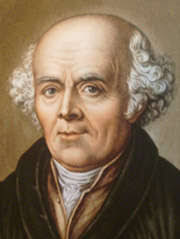


THE CONCEPT OF TOTALITY OF SYMPTOMS IN HOMOEOPATHY: A COMPARATIVE ANALYSIS OF HAHNEMANN, BOENNINGHAUSEN, KENT, AND BOGER Abstract The concept of totality of symptoms stands as the fundamental pillar of homoeopathic prescribing, serving as the sole guide for remedy selection according to the principlRead more
THE CONCEPT OF TOTALITY OF SYMPTOMS IN HOMOEOPATHY: A COMPARATIVE ANALYSIS OF HAHNEMANN, BOENNINGHAUSEN, KENT, AND BOGER
Abstract
The concept of totality of symptoms stands as the fundamental pillar of homoeopathic prescribing, serving as the sole guide for remedy selection according to the principles established by Samuel Hahnemann [1]. This academic document provides a comprehensive examination of the evolution and interpretation of totality among four prominent masters of homoeopathy: Samuel Hahnemann, Clemens von Boenninghausen, James Tyler Kent, and Cyrus Maxwell Boger [2]. Each of these pioneers contributed distinct perspectives on what constitutes a complete symptom and how the totality should be assembled to achieve the highest ideal of cure. Through detailed analysis of their philosophical writings, aphoristic teachings, and practical methodologies, this document illuminates the similarities and differences in their approaches while maintaining fidelity to the original Hahnemannian principles [3]. The understanding of totality has profound implications for clinical practice, as it determines how the homoeopath perceives disease, gathers symptoms, and selects the simillimum [4].
Keywords
totality of symptoms, homoeopathy, Hahnemann, Boenninghausen, Kent, Boger, characteristic symptoms, complete symptom, individualization
1. Introduction
The term “totality of symptoms” represents one of the most critical concepts in classical homoeopathy, serving as the foundation upon which the entire therapeutic approach rests [5]. The physician’s ability to perceive, organize, and utilize the totality of symptoms determines the success or failure of homoeopathic treatment [6]. As Hahnemann himself articulated in the Organon of Medicine, the totality of symptoms constitutes the only guide to the physician in finding the appropriate remedy [1].
The philosophical understanding of totality has evolved significantly since Hahnemann first articulated his principles in the early nineteenth century [7]. Different masters have contributed their interpretations, refinements, and methodological approaches to this fundamental concept. Boenninghausen developed a systematic framework for evaluating complete symptoms, Kent emphasized the hierarchy between general and particular symptoms, and Boger synthesized elements from both approaches while adding his own unique contributions [2].
This document aims to provide an academic exploration of the concept of totality as understood by these four pioneers, examining both the theoretical foundations and practical applications of their approaches [8]. Understanding these historical perspectives is essential for contemporary homoeopathic practice, as it provides practitioners with the tools to more accurately perceive and utilize the totality in clinical decision-making [9].
2. Samuel Hahnemann’s Concept of Totality
2.1 Historical Context and Foundational Principles
Samuel Hahnemann (1755-1843), the founder of homoeopathy, articulated the concept of totality of symptoms through various aphorisms in his seminal work, the Organon of Medicine [10]. His understanding of totality emerged from a profound observation that disease manifests itself through symptoms, and that these symptoms represent the complete picture of the patient’s suffering [1]. Hahnemann believed that the totality of symptoms represented the true nature of the patient’s disease and that effective treatment must restore harmony to the vital force [3].
Hahnemann’s approach to totality was revolutionary for his time, as he rejected the conventional medical wisdom that sought to identify underlying pathological causes through invasive means [11]. Instead, he proposed that the totality of observable symptoms provided the most reliable and complete representation of the disease state. This position is clearly articulated in Aphorism 7 of the Organon, which states: “The totality of the symptoms is the only guide to the physician” [1]. Hahnemann chose his words with vision and depth to convey to homeopaths, 200 years later, that such principles and philosophies remain relevant and applicable [12].
2.2 The Totality as Representation of Disease
In Hahnemann’s philosophy, the totality of symptoms serves as the complete representation of the internal disharmony that constitutes disease [13]. He argued that the physician has no access to the inner alteration itself; only the outward manifestations are perceptible and utilizable for therapeutic purposes [14]. This understanding is reflected in his statement that the removal of the totality of symptoms necessarily removes the inner alteration [4]. Hahnemann mainly uses two concepts describing the sum of symptoms, in remedy or patient. The totality of symptoms is translated from the German Gesamtheit der [9].
The implications of this position are profound for clinical practice. The homoeopath must perceive the patient as a whole, encompassing not merely physical symptoms but also the mental and emotional states that accompany the disease process [15]. Hahnemann emphasized that the physician must understand everything about the patient—not only their physical symptoms but also their emotions, desires, aversions, and overall disposition [5].
2.3 The Characteristics of Valuable Symptoms
Hahnemann distinguished between various categories of symptoms based on their value in prescribing [16]. He gave paramount importance to symptoms that were characteristic, peculiar, striking, unusual, and uncommon [17]. These symptoms, according to Hahnemann, lend their individuality to the totality and are therefore of almost exclusive importance in remedy selection [6]. Common symptoms are valueless from the point of view of homoeopathic prescribing because they fail to distinguish one patient from another [57].
The physician only needs to eliminate the totality of symptoms, which will remove the inner alteration [1]. The TOTALITY is the only guide to the selection of the appropriate remedy. Hahnemann gave importance to characteristic, peculiar, striking, unusual, and uncommon symptoms and not much to general symptoms [36].
2.4 The Hierarchical Organization of Symptoms
While Hahnemann emphasized characteristic symptoms, he also recognized the importance of organizing symptoms in a hierarchical manner [18]. The totality is not merely a collection of symptoms but an organized structure in which certain symptoms take precedence over others [19]. Mental symptoms, being the most central expressions of the individual’s essence, traditionally received first consideration, followed by general symptoms and then particular symptoms [4]. This hierarchical approach ensures that the totality accurately represents the patient’s unique suffering while maintaining focus on those aspects of the case that are most distinctive [7].
Hahnemann’s emphasis on individualization—the process of identifying what is unique about each patient—remains a cornerstone of homoeopathic practice to this day [20]. The highest ideal of cure is rapid, gentle and permanent restoration of the health, or removal and annihilation of the disease in its whole extent [78].
3. Clemens von Boenninghausen’s Concept of Totality
3.1 Introduction to Boenninghausen’s Methodology
Clemens von Boenninghausen (1785-1864), a prominent student and collaborator of Hahnemann, made substantial contributions to the systematic understanding of totality [21]. Boenninghausen faced the practical challenge of how to identify and organize characteristic symptoms in a manner that could be consistently applied in clinical practice [22]. His solution involved the development of a structured framework for symptom evaluation that emphasized completeness and comprehensiveness [8].
Boenninghausen’s aim was to minimize the practical difficulty of finding out a remedy, and was not to come down to a level of prescribing on a single symptom [13]. He took apart symptoms into their constituent elements (sensations, descriptions and modalities). Each element, he extrapolated, could apply to more than one location, sensation, or modality, allowing for broader generalization of symptoms [59].
3.2 The Seven Points of Totality
Central to Boenninghausen’s concept of totality is his Seven Points framework, which provides a systematic approach to case evaluation [23]. Boenninghausen classified the characteristic symptoms into seven categories: Quis (Personality of the Patient), Quid (Peculiarity of the Disease), Ubi (Location), Quibus Auxiliis (Modalities), Cur (Causation), Quomodo (Manifestation), and Quando (Timing) [35]. These seven points offer a comprehensive structure for gathering and organizing case information [10].
Quis (Who): This point addresses the personality of the patient, encompassing constitutional features, temperament, and overall disposition [24]. Boenninghausen recognized that the who of the patient—the essential nature of the individual—provides crucial information for remedy selection [11].
Quid (What): This refers to the nature and peculiarity of the disease itself, focusing on the characteristic sensations and experiences that define the patient’s suffering [25]. Boenninghausen emphasized that peculiar symptoms should receive primary attention, as they most closely approximate the characteristic expression of the patient’s condition [10].
Ubi (Where): This point concerns the location of the symptoms, whether anatomical or regional [12]. Boenninghausen recognized that location specificity contributes to the individualization of the case and helps narrow the range of potential remedies [26].
Quibus Auxiliis (By What Means): This addresses the modalities and circumstances that affect the symptoms—what makes them better or worse [27]. Boenninghausen placed great emphasis on modalities, considering them essential components of the complete symptom [13].
Cur (Why): This point addresses causation, considering the possible triggers or etiological factors that may have contributed to the onset of the condition [28]. Understanding causation helps in the selection of remedies that correspond to the patient’s specific circumstances [10].
Quomodo (In What Way): This refers to the manner in which symptoms manifest, including their intensity, duration, frequency, and qualitative characteristics [14]. This information helps refine the symptom picture and contributes to more accurate remedy selection [29].
Quando (When): This point concerns timing—the temporal aspects of symptoms, including time of day, season, and stage of the disease process [30]. Temporal modalities often prove valuable in distinguishing between remedies that otherwise present similar symptom pictures [10].
3.3 The Complete Symptom Concept
Boenninghausen introduced the concept of the complete symptom, which revolutionized homoeopathic methodology [31]. A complete symptom, in Boenninghausen’s framework, consists of at least four essential elements: location, sensation, modality, and concomitant symptoms [15]. Based on this model, Boenninghausen states that at least four elements are required to complete a symptom: location, sensation, modality, and concomitants [55].
Location: The anatomical region or organ system affected forms the foundation of symptom evaluation [32]. Boenninghausen recognized that location specificity contributes significantly to the individualization of the case [12].
Sensation: The subjective quality of the symptom—the nature of the pain, discomfort, or abnormal sensation experienced by the patient—provides essential information for remedy matching [33]. Boenninghausen emphasized that sensations should be described in the patient’s own words whenever possible [15].
Modality: The conditions that modify the symptom—whether it is better or worse under specific circumstances—constitute a critical component of the complete symptom [34]. Boenninghausen showed that symptoms are never complete until they have their modifiers, and these details are not small but rather essential for accurate prescription [16].
Concomitant: Accompanying symptoms that occur simultaneously with the chief complaint often provide valuable distinguishing information [36]. Boenninghausen recognized that concomitant symptoms may also have their own location, sensation, and modalities, further enriching the symptom picture [17].
3.4 Emphasis on Characteristic Symptoms
Boenninghausen, following Hahnemann’s teachings, gave priority to characteristic and peculiar symptoms over common symptoms [37]. He understood that common symptoms, being present in many diseases, offer little value in distinguishing between potential remedies [38]. His entire methodological framework was designed to identify and emphasize those symptoms that give individuality to the totality [18].
The Boenninghausen approach also introduced the concept of generalization, whereby symptoms are considered at broader levels of abstraction to find the essential pattern of the patient’s suffering [39]. This approach complements the emphasis on particular symptoms by ensuring that the overall gestalt of the case is not lost in excessive particularization [19]. He showed that a symptom is never complete until it has its modifiers [51].
4. James Tyler Kent’s Concept of Totality
4.1 Philosophical Foundation
James Tyler Kent (1849-1916) developed his concept of totality through extensive study of Hahnemann’s Organon and the writings of his contemporaries [40]. Kent’s contributions to homoeopathic philosophy are widely regarded as among the most significant, and his approach to totality influenced generations of practitioners [20].
Kent understood totality in the context of his broader philosophical framework, which emphasized the vital force and the spiritual nature of the human being [41]. For Kent, symptoms represent not merely the external manifestations of disease but the expression of the vital force’s disturbance [42]. The totality, therefore, must be understood as a reflection of the dynamic imbalance at the level of the vital force [21].
Homoeopathy asserts that there are principles which govern the practice of medicine [41]. It may be said that, up till the time of Hahnemann, no principles of medicine were established that could guide the physician in a reliable manner. Kent’s approach brought clarity and systematic organization to the understanding of totality [22].
4.2 The Hierarchy of Symptoms
Kent’s most distinctive contribution to the understanding of totality is his systematic hierarchy of symptoms, which organizes them according to their importance in prescribing [43]. Kent’s repertory is a logico-utilitarian group of repertory. Based on deductive logic it follows the principle of general to particular, giving prime importance to general symptoms [24]. This hierarchy progresses from the most general to the most particular, with the most general symptoms receiving the highest priority [22]:
General Symptoms: These affect the entire being and include sensations, functions, and modalities that are experienced by the patient as affecting their whole person [44]. General symptoms are experienced regardless of location and represent the deepest expressions of the vital force’s disturbance [45]. Kent emphasized that general symptoms are of the greatest value in prescribing because they most closely approximate the totality of the patient’s suffering [23].
Particular Symptoms: These affect specific parts, organs, or systems of the body [46]. While important, particular symptoms take precedence after general symptoms have been established [47]. They serve to confirm and refine the remedy selection rather than to primarily determine it [24].
Common Symptoms: These are general to many diseases and many patients, such as fever, headache, or fatigue without specific characterizing features [48]. Kent considered common symptoms to be of little value in prescribing because they fail to individualize the case [46].
The common symptoms in each group are left until the last in the symptoms of the affections, of the intellect, of the memory and of the physical [46]. The task of finding out the totality of characteristic symptoms and their peculiar nature was taken up by Dr. Von Boenninghausen [15].
4.3 The Concept of Characteristic Symptoms
Kent’s approach to totality emphasized the identification of characteristic symptoms that give individuality to the case [49]. He taught that the physician must be able to perceive the peculiar and characteristic features that distinguish one patient from another, even when they present with similar diseases [50]. Characteristics by James Tyler Kent states that the totality of the symptoms is the sole representation of the disease, to the physician [43].
Characteristic symptoms, according to Kent, are those that are unusual, strange, rare, or peculiar [51]. They represent the unique way in which the patient’s vital force is expressing its disturbance [52]. Kent emphasized that it is necessary to have individualizing characteristics to enable the physician to classify what is observed and to perceive the value of symptoms [40].
Kent used the same homoeopathic gestalt therapy as Hahnemann and never forgot that the totality of the symptoms included the miasmic syndromes [48].
4.4 The Relationship Between Totality and Individualization
Kent’s concept of totality is intimately connected to his emphasis on individualization [53]. The totality is not merely a collection of symptoms but an organized structure that represents the unique expression of the patient’s disease [54]. Individualization—the process of determining what is unique about the patient—is therefore essential to proper totality formation [49].
Kent taught that the physician should approach each case with fresh eyes, perceiving what is new and unusual about the patient’s presentation rather than imposing pre-existing categories or diagnoses [55]. This approach ensures that the totality accurately reflects the patient’s unique suffering rather than a generic disease classification [41].
4.5 The Role of the Totality in Remedy Selection
For Kent, the totality serves as the sole guide to remedy selection [56]. The removal of the totality of the symptoms is actually the removal of the cause, even when the underlying cause may not be known [4]. This understanding reinforces the practical importance of thorough case-taking and systematic totality formation [57].
Kent’s repertory, one of the most comprehensive in homoeopathy, reflects his hierarchical approach to symptoms [58]. The structure of the repertory prioritizes general symptoms and characteristic modalities, providing practitioners with a systematic tool for remedy selection based on totality analysis [24]. Kent, like his predecessors, thought that the repertory should reflect the hierarchical nature of symptoms [27].
4.6 The Concept of the Situational Totality
Kent also introduced the concept of the situational totality, which refers to the totality of symptoms at a particular moment in time [59]. He recognized that the totality is not static but evolves with the progression of the disease and the individual’s responses [60]. This understanding requires practitioners to periodically reassess the totality and adjust the treatment accordingly [48].
5. Cyrus Maxwell Boger’s Concept of Totality
5.1 Synthesis of Traditions
Cyrus Maxwell Boger (1861-1935) occupies a unique position in the history of homoeopathy as a scholar who synthesized the approaches of Boenninghausen and Kent while adding significant contributions of his own [61]. Boger’s understanding of totality reflects this synthetic approach, drawing elements from multiple traditions to create a coherent and practical methodology [89].
Even with the same set of symptoms, totality or conceptual image by Boenninghausen’s philosophy, Kentian philosophy and Boger’s philosophy differ [50]. Boger’s most significant contribution to homoeopathic literature is the Boger Boenninghausen’s Characteristics & Repertory (BBCR), which combines Boenninghausen’s systematic approach to symptom evaluation with expanded clinical observations and refined organization [81]. This work represents one of the most important contributions to the understanding and application of totality in clinical practice [82].
5.2 Emphasis on Complete Symptoms
Like Boenninghausen, Boger emphasized the importance of complete symptoms in totality formation [62]. A complete symptom, in Boger’s framework, consists of location, sensation, and modalities [63]. Without these essential elements, symptoms remain incomplete and less useful for accurate prescribing [64]. Boger borrowed the idea of complete symptom from Boenninghausen [69].
Boger expanded on Boenninghausen’s work by introducing additional features such as fever totality, clinical rubrics, and separate sections for eliminating symptoms [88]. These enhancements provided practitioners with more sophisticated tools for totality analysis and remedy selection [65].
5.3 The Concept of Eliminating Symptoms
One of Boger’s distinctive contributions is his emphasis on eliminating symptoms—those symptoms that serve to eliminate certain remedies from consideration and thereby narrow the field of possibilities [66]. These symptoms, while not necessarily the most characteristic, nonetheless contribute to the precision of the totality by excluding inappropriate remedies [89].
Dr. Eswaran Gurunathan discusses Boger’s concept of totality and presents a brief case to illustrate that when repertorizing he used an eliminating symptom to narrow down the remedy options [89]. The use of eliminating symptoms reflects Boger’s practical approach to prescribing [17].
5.4 The Generalization Approach
Boger adopted Boenninghausen’s concept of generalization, which involves considering symptoms at broader levels of abstraction to find the essential pattern of the patient’s suffering [67]. This approach prevents excessive particularization and ensures that the totality reflects the overall gestalt rather than merely a collection of disconnected particulars [19].
The generalization approach proves particularly valuable in complex cases where numerous particular symptoms might otherwise obscure the essential nature of the patient’s suffering [68]. Dr. Devang Shah shares how he incorporates Boenninghausen’s generalization and the sensation approach in clinical practice [52].
5.5 Integration of Sensations and Complaints
Boger’s work on the “Sensations and Complaints in General” section of the BBCR demonstrates his sophisticated understanding of how sensations relate to the totality [69]. He recognized that general sensations often provide crucial information for remedy selection, as they represent the patient’s experience at a level that transcends specific locations [65].
This integration of sensations reflects Boger’s appreciation for the hierarchical nature of symptoms [70]. General sensations, being experienced by the whole person, often prove more valuable in prescribing than particular local symptoms [64].
5.6 Practical Application of Totality
Boger’s approach to totality is notably practical, emphasizing systematic evaluation and organized analysis [71]. He developed tools and methodologies that enable practitioners to efficiently form the totality and apply it to clinical situations [87]. The structure of the BBCR reflects this practical orientation, providing organized rubrics that facilitate systematic case analysis [72].
Boger’s concept of totality recognizes that the physician must be able to identify the fully expressed symptom pattern from the patient’s presentation [31]. This practical focus ensures that theoretical understanding translates into effective clinical application [73].
6. Comparative Analysis of the Four Concepts
6.1 Similarities
All four pioneers share a common foundation in Hahnemann’s original teachings regarding the primacy of the totality of symptoms in prescribing [74]. They agree that the totality represents the complete expression of the patient’s disease and serves as the sole guide to remedy selection [75]. Characteristic and peculiar symptoms are prioritized over common symptoms by all four authorities [17].
The emphasis on individualization is another point of convergence [76]. Each master recognized that effective prescribing requires perception of what is unique about each patient, rather than application of generic disease categories [20]. The process of individualization is fundamental to totality formation across all four approaches [7].
In the realm of holistic medicine, Totality of Symptoms stands as the fundamental pillar and the unique diagnostic hallmark of homoeopathy [25]. The concept of the totality of symptoms remains the basis of the selection of homoeopathic medicines [6].
6.2 Differences in Emphasis
Despite these similarities, significant differences in emphasis distinguish the four approaches [77]:
Hahnemann’s approach emphasizes the philosophical foundation of totality—the understanding that symptoms represent the complete expression of internal disharmony [1]. His contribution lies primarily in establishing the conceptual framework rather than providing systematic methodologies [10].
Boenninghausen’s approach focuses on systematic organization, providing structured frameworks (such as the seven points) for evaluating complete symptoms [23]. His contribution lies in the methodological systematization of totality formation [10].
Kent’s approach emphasizes the hierarchy of symptoms, prioritizing general symptoms over particular ones [22]. His contribution lies in establishing the logical structure that should guide symptom evaluation and remedy selection [43].
Boger’s approach synthesizes elements from multiple traditions while adding practical enhancements [61]. His contribution lies in creating integrated tools that combine the strengths of various approaches while addressing their limitations [89].
6.3 Methodological Differences
The methodological approaches to totality formation also vary [78]:
Boenninghausen developed a structured seven-point framework for case evaluation, ensuring comprehensive gathering of symptom information [35]. Kent emphasized the logical hierarchy from general to particular symptoms [43]. Boger integrated Boenninghausen’s complete symptom concept with Kent’s hierarchical approach, adding practical tools for efficient analysis [63].
These methodological differences reflect different perspectives on how best to achieve the goal of accurate totality formation [79]. Practitioners may find that different approaches suit different types of cases or different personal working styles [80].
7. Clinical Implications
7.1 Case Taking
Understanding the concepts of totality developed by these four masters has direct clinical implications for case taking [81]. Practitioners must learn to gather information systematically while maintaining focus on characteristic symptoms [82]. The seven-point framework of Boenninghausen provides a useful structure for comprehensive case evaluation [10].
Boenninghausen evaluated the complete image of a disease under seven rubrics [57]. The real art of homeopathy is to be able to identify the fully expressed symptom pattern of a remedy, as recorded in the provings, from the patient’s presentation [31].
7.2 Symptom Evaluation
The emphasis on complete symptoms—involving location, sensation, modality, and concomitant—ensures that symptom information is gathered with sufficient depth and detail for accurate remedy matching [83]. Practitioners should resist the temptation to prescribe on incomplete symptom information [15].
Modalities are one of the important components of a complete symptom [66]. This idea of complete symptom was introduced by Dr. Boenninghausen [53].
7.3 Remedy Selection
The hierarchical approach to symptoms, particularly as articulated by Kent, provides guidance for remedy selection when multiple symptoms must be considered [43]. General symptoms take precedence over particular symptoms, while characteristic symptoms receive priority over common symptoms [22].
The real meat of aphorism 7 is the idea that what guides our remedy choice will only ever be the totality of the symptoms [76].
7.4 Integration of Approaches
Contemporary practitioners may benefit from integrating elements from multiple approaches [84]. The choice of methodology may depend on the nature of the case, the available symptom information, and the practitioner’s training and preferences [85]. Flexibility in approach, grounded in understanding of the underlying principles, supports effective clinical practice [19].
8. Conclusion
The concept of totality of symptoms, foundational to homoeopathic practice, has evolved through the contributions of four pivotal masters: Hahnemann, Boenninghausen, Kent, and Boger [86]. Each of these pioneers contributed unique perspectives that enhanced the understanding and application of totality in clinical practice [87].
Hahnemann established the philosophical foundation by articulating that the totality of symptoms is the sole guide to the physician [1]. Boenninghausen systematized the approach by developing frameworks for evaluating complete symptoms, including his seven-point structure and emphasis on location, sensation, modality, and concomitant [10]. Kent refined the understanding by establishing the hierarchy of symptoms with general symptoms taking precedence over particular ones [22]. Boger synthesized these approaches while adding practical enhancements through integrated tools like the BBCR [89].
The continued study and application of these historical perspectives remains essential for contemporary homoeopathic practice [88]. Understanding how these masters approached totality formation enables practitioners to more accurately perceive the patient’s suffering and select the simillimum with greater confidence and precision [89]. The concept of totality thus continues to serve as the cornerstone of homoeopathic prescribing, preserving the principles established by Hahnemann while benefiting from the refinements added by subsequent generations of masters [1].
References
1. Hahnemann S. Organon of Medicine. 6th ed. New Delhi: B. Jain Publishers; 1991.
2. Homeopathy 360. Boenninghausen’s concepts in clinical practice. Available from: https://www.homeopathy360.com/boenninghausens-concepts-in-clinical-practise/ [cited 2024].
3. Homoeopathic Chronicles. The totality of symptoms. Available from: https://www.homoeopathicchronicles.com/archives/volume-ii-issue-iii/article-3-the-totality-of-symptoms [cited 2024].
4. Homeoint. Lecture 12 by J.T. Kent. Available from: http://homeoint.org/books3/kentlect/lect12.htm [cited 2024].
5. Facebook BHSM Gallery. Boenninghausen’s concept of totality. Available from: https://www.facebook.com/bhmsgallery/posts/learn-with-funboenninghausens-concept-of-totality [cited 2024].
6. ResearchGate. The totality of symptoms: an empirical review. Available from: https://www.researchgate.net/publication/384591314_The_Totality_Of_Symptoms_-_An_Empirical_Review [cited 2024].
7. Hpathy.com. Lectures on Organon of medicine: understanding aphorism seventy. Available from: https://hpathy.com/organon-philosophy/lectures-on-organon-of-medicine-understanding-aphorism-seventy/ [cited 2024].
8. Homeoint. Boenninghausen’s characteristics materia medica. Available from: http://www.homeoint.org/books2/boenchar/preface.htm [cited 2024].
9. Thieme Connect. Towards a new hierarchy of “Signs and Symptoms”. Available from: https://www.thieme-connect.com/products/ejournals/html/10.1055/s-0032-1327822 [cited 2024].
10. SVRHMC. Boenninghausen totality. Available from: https://250048.site123.me/boenninghausen-totality [cited 2024].
11. Facebook Homeopathy for Humanity. Boenninghausen classified characteristic symptoms. Available from: https://www.facebook.com/HomeopathyforHumanity/posts/boenninghausen-classified-the-characteristic-symptoms-into-seven-categories [cited 2024].
12. Hpathy.com. A homeopathic student’s introduction to Boenninghausen’s therapeutic pocketbook. Available from: https://hpathy.com/homeopathy-papers/a-homeopathic-students-introduction-to-boenninghausens-therapeutic-pocketbook/ [cited 2024].
13. Scribd. Boenninghausen’s symptom evaluation method. Available from: https://www.scribd.com/document/800981219/Boenninghausen-totality-of-symptom [cited 2024].
14. Homeobook. Concept of disease and totality of symptoms. Available from: https://www.homeobook.com/concept-of-disease-and-totality-of-symptoms/ [cited 2024].
15. Homoeopathic Clinic. Prescribing on the basis of totality of characteristic symptoms. Available from: https://www.homoeopathyclinic.com/articles/homoeo/prescribing/prescribing_1.htm [cited 2024].
16. Instagram Thieme. Bönninghausen’s seven characteristics of symptoms. Available from: https://www.instagram.com/p/DVmIoaoiI3p/ [cited 2024].
17. Hpathy.com. Repertorization methods: Kent, Boenninghausen, Boger. Available from: https://hpathy.com/homeopathy-repertory/repertorization-methods-kent-boenninghausen-boger-an-overview/ [cited 2024].
18. SlideShare. Totality of symptoms homoeopathy Hahnemann concept. Available from: https://www.slideshare.net/slideshow/totality-of-symptoms-homoeopathy-hahnemann-concept/285240056 [cited 2024].
19. Hpathy.com. Key to successful prescribing using Boenninghausen’s generalization and sensation approach. Available from: https://hpathy.com/homeopathy-papers/key-successful-prescribing-using-boenninghausens-generalization-sensation-approach/ [cited 2024].
20. Homeopathy Canada. The life and legacy of James Tyler Kent. Available from: https://homeopathycanada.com/the-life-and-legacy-of-james-tyler-kent-a-giant-in-homeopathy/ [cited 2024].
21. Naturopathic Medicine Institute. Lectures on homoeopathic philosophy. Available from: https://naturopathicmedicineinstitute.org/e-books/Lectures-on-Homeopathic-Philosophy.pdf [cited 2024].
22. Homeopathy 360. A concise account of the Kent’s repertory. Available from: https://www.homeopathy360.com/a-concise-account-of-the-kents-repertory/ [cited 2024].
23. Scribd. Types of symptoms according to Boenninghausen. Available from: https://www.scribd.com/document/933679016/Types-of-Symptoms-According-to-Boenninghausen [cited 2024].
24. Amazon. Repertory of the Homeopathic Materia Medica by James Tyler Kent. Available from: https://www.amazon.com/Repertory-Homeopathic-Materia-Medica-James/dp/8131902315 [cited 2024].
25. Homoeopathic Journal. Concept of totality and its vital significance in homoeopathy. Available from: https://www.homoeopathicjournal.com/articles/2384/10-2-139-834.pdf [cited 2024].
27. RadarOpus. James Tyler Kent’s aphorisms and precepts. Available from: https://www.radaropus.com/blog/22/Kents-Aphorisms-Be-inspired-by-the-Masters-of-Homeopathy [cited 2024].
28. Homeoint. Where Kent differs with Hahnemann. Available from: https://hpathy.com/organon-philosophy/where-kent-differs-with-hahnemann/ [cited 2024].
29. Homeoint. The logic of Bönninghausen. Available from: http://www.homeoint.org/articles/robinson/bonninghausen.htm [cited 2024].
30. Scribd. Classification of symptoms homoeopathy. Available from: https://www.slideshare.net/slideshow/classification-of-symptoms-homoeopathy/273282855 [cited 2024].
31. Homeopathyingreece. Characteristics and repertory Boenninghausen. Available from: https://www.homeopathyingreece.gr/images/pdf/characteristics-and-repertory-boenninghausen.pdf [cited 2024].
35. Facebook Homeopathy for Humanity. Boenninghausen classified characteristic symptoms. Available from: https://www.facebook.com/HomeopathyforHumanity/posts/boenninghausen-classified-the-characteristic-symptoms-into-seven-categories1-qui/414627358736369/ [cited 2024].
36. Scribd. Boenninghausen’s symptom evaluation method. Available from: https://www.scribd.com/document/800981219/Boenninghausen-totality-of-symptom [cited 2024].
40. YouTube. Kent’s philosophy lecture 32, 33: the value of symptoms. Available from: https://www.youtube.com/watch?v=25s3jpvwXk8 [cited 2024].
43. HomeopathyBooks.in. Characteristics by James Tyler Kent. Available from: https://homeopathybooks.in/lectures-on-homoeopathic-philosophy-by-james-tyler-kent/characteristics/ [cited 2024].
46. Homeoint. Lecture 32 by J.T. Kent. Available from: http://homeoint.org/books3/kentlect/lect32.htm [cited 2024].
48. YouTube. Kent’s philosophy: chapter 7 lecture 22 totality of the symptoms. Available from: https://www.youtube.com/watch?v=u9RWbIb7kmA [cited 2024].
49. Scribd. Kent’s homoeopathic philosophy notes. Available from: https://www.scribd.com/document/857667225/7be9631fd16778391213e2e6d6ef6011 [cited 2024].
50. Facebook Groups. Remembering Dr Cyrus Maxwell Boger. Available from: https://www.facebook.com/groups/784418168263621/posts/1811308292241265/ [cited 2024].
51. YouTube. Kent’s philosophy lecture 30. Available from: https://www.youtube.com/watch?v=nFH5js7RQ30 [cited 2024].
52. Homeopathy 360. Boger-Boenninghausen characteristics repertory. Available from: https://www.homeopathy360.com/boger-boenninghausens-characteristics-and-repertory-b-b-c-r/ [cited 2024].
53. Homeobook. The importance of modalities in Boger Boenninghausen’s characteristics and repertory. Available from: https://www.homeobook.com/the-importance-of-modalities-in-boger-boenninghausens-characteristics-and-repertory/ [cited 2024].
55. Homeoint. Sensations and complaints in general by C.M. Boger. Available from: http://www.homeoint.org/books2/boenchar/sensationsr.htm [cited 2024].
57. Homoeopathic Journal. A complete review of modality. Available from: https://www.homoeopathicjournal.com/articles/140/4-1-18-275.pdf [cited 2024].
59. SlideShare. BBCR Boger Boenninghausen characteristics repertory. Available from: https://www.slideshare.net/slideshow/bbcr/44022274 [cited 2024].
61. Scribd. Boger Boenninghausen’s characteristics and repertory presentation. Available from: https://www.scribd.com/presentation/988023182/Boger-Boenninghausen-s-Characteristics-Repertory [cited 2024].
63. RadarOpus. Boger-Boenninghausen characteristics repertory. Available from: https://www.radaropus.com/products/radaropus/content/repertories/boger-boenninghausen-repertory [cited 2024].
64. Amazon. Boenninghausen’s characteristics materia medica & repertory with word index. Available from: https://www.amazon.com/Boenninghausens-Characteristics-Materia-Medica-Repertory/dp/B00ZLVS9HO [cited 2024].
65. Homeoint. Boger’s concept of totality: a brief case. Available from: https://hpathy.com/homeopathy-papers/bogers-concept-of-totality-a-brief-case/ [cited 2024].
66. Homeopathy 360. Boger Boenninghausen’s characteristics and repertory. Available from: https://www.homeopathy360.com/boger-boenninghausens-characteristics-and-repertory-b-b-c-r/ [cited 2024].
69. Hpathy.com. Boger’s concept of totality: a brief case. Available from: https://hpathy.com/homeopathy-papers/bogers-concept-of-totality-a-brief-case/ [cited 2024].
76. Harris Homeopathy. Aphorisms 7 and 8: remove the totality and the person is cured. Available from: https://www.harrishomeopathy.com/blog/aphorisms-7-and-8 [cited 2024].
78. The School of Homeopathy. Aphorism 1-10: the Organon. Available from: https://www.homeopathyschool.com/the-school/editorial/the-organon/aphorism-1-10/ [cited 2024].
81. Amazon. Boger Boenninghausen’s characteristics & repertory. Available from: https://www.amazon.com/Boenninghausens-Characteristics-Repertory-Corrected-Abbreviations/dp/8131903133 [cited 2024].
82. Emryss. Boenninghausen’s characteristics materia medica and repertory. Available from: https://www.emryss.com/boenninghausen-s-characteristics-materia-medica-and-repertory-with-word-index [cited 2024].
87. Amazon. Boenninghausen’s characteristics and repertory. Available from: https://www.abebooks.com/Boenninghausens-Characteristics-Materia-Medica-Repertory-Word/31017035545/bd [cited 2024].
88. NIH/NLM. Boenninghausen’s characteristics and repertory. Available from: https://catalog.nlm.nih.gov/discovery/fulldisplay/alma999584563406676/01NLM_INST:01NLM_INST [cited 2024].
89. Archive.org. Boenninghausen’s characteristics and repertory. Available from: https://archive.org/details/boenninghausensc00bn [cited 2024].
See less
Mental Symptom Differences Between Psoric, Sycotic, and Syphilitic Miasms: A Comparative Analysis in Homoeopathic Practice Abstract The concept of miasms constitutes a fundamental pillar in homoeopathic medicine, representing the inherited predispositions and chronic reaction patterns that underlieRead more
Mental Symptom Differences Between Psoric, Sycotic, and Syphilitic Miasms: A Comparative Analysis in Homoeopathic Practice
Abstract
The concept of miasms constitutes a fundamental pillar in homoeopathic medicine, representing the inherited predispositions and chronic reaction patterns that underlie disease manifestation. Samuel Hahnemann introduced the theory of miasms in his seminal work “The Chronic Diseases, Their Specific Nature and Their Homoeopathic Treatment” in 1828, identifying three primary miasms: Psora, Sycosis, and Syphilis. (1) Each miasm presents distinctive mental and emotional characteristics that provide essential diagnostic and therapeutic guidance for homoeopathic practitioners. This article presents a comprehensive comparative analysis of the mental symptoms associated with each of these three primary miasms, drawing upon classical homoeopathic literature and contemporary interpretations to elucidate their unique psychological manifestations, differential characteristics, and clinical significance.
Introduction
The miasmatic theory represents one of the most significant contributions to holistic medicine, providing a framework for understanding the deeper constitutional tendencies that predispose individuals to chronic disease. Hahnemann observed that suppression of acute diseases through conventional treatment methods led to the development of chronic conditions with predictable patterns of manifestation.(2) He identified three primary miasms corresponding to the three contagious diseases known during his era: scabies (Psora), gonorrhoea (Sycosis), and syphilis (Syphilis). (3)
Mental symptoms hold paramount importance in homeopathic practice as they often constitute the “essence” or core constitutional picture of an individual. According to Kent, the human mind determines the state of the Vital Force, and distorted mental states can precipitate physical illness through psychoneuroimmunological mechanisms. (4) Understanding the mental manifestations of each miasm enables practitioners to prescribe more accurately and effectively, addressing not merely the presenting symptoms but the underlying miasmatic predisposition.
Methodology
This comparative analysis synthesizes information from classical homeopathic texts including Hahnemann’s “Chronic Diseases,” Kent’s “Lectures on Homoeopathic Philosophy,” Allen’s “The Chronic Miasms,” and contemporary interpretations by Vithoulkas, Sankaran, and Banerjea.(5,6,7) The mental symptoms have been organized into categorical domains including emotional traits, cognitive patterns, behavioural characteristics, and pathological expressions to facilitate systematic comparison and clinical differentiation.
The Psoric Miasm: Mental Symptoms
Overview and Dynamic Essence
Psora is considered the most fundamental of the three miasms, affecting virtually the entire population. Hahnemann described Psora as a “suboxidation carbonitrogenoid” condition characterized by deficiency and underfunction.(8) The psoric miasm represents the struggle against limitation, insecurity, and inadequacy. From a psychological perspective, the psoric individual experiences a profound sense of insufficiency and inferiority that drives constant striving and effort to overcome perceived deficiencies.
Emotional Characteristics
The psoric individual demonstrates remarkable emotional reactivity and expressiveness. Allen described the psoric mind as “quick, active, bright, and exalted in movements,” in stark contrast to the syphilitic state of dullness and depression. (9) Key emotional features include:
Anxiety and Fear: Psoric anxiety manifests as persistent worry about health, livelihood, and future security. The individual fears failure, poverty, and loss of control over circumstances.( 10) Fear of death and disease is prominent, often described as “disease business” where patients constantly anticipate illness or catastrophe. (11) These anxieties drive a pattern of over-concern about minor matters and excessive vigilance regarding security and wellbeing.
Hope and Despair Alternation: A distinguishing feature of the psoric miasm is the alternating pattern between hope and despair. When sad, the psoric individual looks toward the future and sees happier days ahead, maintaining an underlying optimism despite current struggles. (12) This hopefulness, even in the face of adversity, distinguishes psoric depression from the deeper, more destructive depressions of other miasms.
Sensitivity and Reactivity: Psoric individuals demonstrate heightened sensitivity to all impressions—noise, light, odours, and emotional stimuli. They are “easily frightened by most trifling causes,” with fear often beginning as trembling and shaking of the body, followed by great weakness and muscular prostration. (13) This hypersensitivity represents excessive reaction in the right direction but with exaggerated intensity.
Expressiveness: Unlike the secretive sycotic or the withdrawn syphilitic, the psoric individual openly expresses emotions. When angry, they may fly into passion but immediately weep and become penitent. They cry easily and feel better after crying, and their emotional expressions provide relief through catharsis. (14)
Cognitive Patterns
Mental Alertness: The psoric mind is described as mentally alert and observant. They are aware of their immediate environment and sensitive to subtle changes in their surroundings. (15) However, they may experience “vanishing of thoughts while reading or writing” and difficulty controlling thoughts, reflecting a restless mental state.
Fantasy and Idealism: A characteristic feature is the rich inner world of fantasy, not due to autism but because inadequacy prevents fulfilment of dreams. The psoric individual may fall in love many times but rarely fulfil fantasies, tending toward platonic love with inaccessible or forbidden objects. (16)
Indecisiveness and Doubt: The feeling of inadequacy produces hesitation and uncertainty. Despite mental alertness, the psoric individual may lack confidence, feeling unable to accomplish tasks or make decisions independently.
Behavioural Traits
Restlessness: Psoric individuals display physical and mental restlessness, often unable to sit still or relax. This restlessness may be worse at night or in warm conditions, driving them to move about compulsively. (17)
Social Consciousness: The psoric individual has a strong sense of social obligation, respecting society’s customs and traditions. The phrase “I must” dominates over “I want,” reflecting an orientation toward duty and responsibility over personal desire. (18)
Religious and Philosophical Orientation: Psora demonstrates strong religious affections, not in a dogmatic sense but through philosophical searching and contemplation of existential questions. The individual experiences “agony of existence” when confronting the inadequacy of self against the vastness of the universe. (19)
Pathological Mental Expressions
In pathological states, psoric manifestations include epilepsy, mania, and various anxiety disorders. The psoric patient may experience delirium with “foolish fancies” rather than true delirium, and thoughts may multiply and race rapidly without difficulty finding words. (20) Anxiety upon awakening, particularly worse at new moon or approaching menstruation in women, represents a characteristic psoric pattern.
The Sycotic Miasm: Mental Symptoms
Overview and Dynamic Essence
Sycosis, associated with gonorrhoeal infection, represents the miasm of overfunction, accumulation, and concealment. It is characterized by neoplasm, wetness of mucous membranes, and emotional instability. (21) The sycotic individual compensates for feelings of inferiority through excessive expression, show, and control. From the perspective of Loukas, sycosis presents as a hyperexaggeration of psoric features, with excessive expression of the feeling of inferiority through compensatory mechanisms. (22)
Emotional Characteristics
Concealment and Secrecy: A hallmark of the sycotic miasm is the tendency to hide weakness and maintain a façade of strength. The individual “hides his weakness” and maintains a cover-up of situations, appearing composed while internally struggling with suppressed emotions. (23) The sycotic person is described as “not keen on giving, ambivalence about giving-keeping,” reflecting a fundamental selfishness underlying their social presentation. (24)
Anxiety of Guilt and Shame: Sycotic anxiety centres on fear of judgment, rejection, and discovery. The individual carries a hidden sense of guilt or unworthiness that drives obsessive patterns of concealment. This anxiety often manifests as suspicion, jealousy, and possessiveness in relationships. (25)
Emotional Suppression: While psoric individuals express emotions readily, sycotic individuals suppress feelings and maintain rigid control. “Cannot stand spontaneity of emotions and acts” characterizes this miasm, as does difficulty expressing affection or warmth. (26) During intimate moments, they remain cold and controlled, not engaging in love talk or emotional expression.
Attention-Seeking Behaviour: Paradoxically, despite emotional suppression, the sycotic individual seeks attention through dramatic displays. When sad, their crying and sighing “draws everybody’s attention.” When angry, they scream, shout, and make “great fuss” for effect. (27) This represents a compensatory mechanism where suppressed genuine emotion is replaced by performed displays.
Cognitive Patterns
Memory Disturbance: A distinguishing feature is difficulty with recent memory while long-past events remain well-remembered. The sycotic individual “forgets words, sentences, previous lines just read” and may wonder how to spell the simplest word. (28) Writing presents particular challenges, with uncertainty about right words, dropping of letters, and difficulty giving symptoms to the physician through fear of forgetting or providing incorrect information.
Classification and Rigidity: Sycotic individuals demonstrate excessive classification, categorization, and attention to detail. They are pedantic, worried about schedules, orderliness, and proper arrangement of objects. (29) They want everything aligned and fixed, demonstrating dogmatic black-and-white thinking with inflexibility and rejection of new ideas without examination.
Control Orientation: The sycotic mind is dominated by the need for control. They want to control everything—people, situations, and particularly their own emotional expressions. This stiffness and inflexibility coexist with underlying fear of the complexity and multiformity of nature. (30)
Behavioural Traits
Show and Appearance: Sycotic individuals are drawn to prestigious professions (medicine, journalism, law, politics) and display external markers of success—expensive clothes, luxury vehicles. They think themselves exceptional cases even when mediocre and collect objects as a sycotic manifestation. (31)
Suspicion and Jealousy: Mistrust characterizes relationships, with the sycotic individual constantly suspecting others of malevolence or deception. Jealousy is prominent, and they may harbour grudges and engage in plotting or scheming behaviours. (32)
Fixed Habits: The sycotic individual demonstrates resistance to change and attachment to established routines. Reclassifications fill them with anxiety, and they prefer known, predictable patterns over novel situations. (33)
Pathological Mental Expressions
In advanced states, sycotic individuals may develop obsessive-compulsive patterns, paranoid presentations, and hysterical disorders. The tension between internal turmoil and external composure creates chronic stress manifesting as anxiety disorders, depressive conditions, and relationship difficulties. (34) They may become “cross, irritable, sullen, morose” and experience difficulty with concentration and sustained mental effort.
The Syphilitic Miasm: Mental Symptoms
Overview and Dynamic Essence
Syphilis represents the miasm of destruction, perversion, and dissolution. It is characterized by destruction and distortion at any or all levels of being—physical, emotional, and mental. (35) The syphilitic individual has moved beyond the struggles of psora and the concealment of sycosis into a state of fundamental giving up, where destruction becomes the primary mode of response to life’s challenges. According to Jagose, the syphilitic mind exhibits tendencies toward intellectual destruction, paranoid presentation, and self-destructive complexes. (36)
Emotional Characteristics
Destruction and Self-Hatred: The defining feature of the syphilitic miasm is the tendency toward destruction—directed either outward toward others or inward toward the self. Self-hatred manifests as intense condemnation of one’s own nature, with a sense of being fundamentally flawed or unworthy. (37) The individual cannot accept themselves and may hate their very existence.
Violence and Rage: Syphilitic anger is characterized by violent, explosive intensity that frightens those present. Unlike psoric anger that is expressed and then forgotten, syphilitic rage is destructive, with a desire to harm, destroy, or eliminate. (38) This violence may be impulsive and sudden, directed at self or others without apparent provocation.
Depression with Hopelessness: The syphilitic individual experiences profound despair that differs qualitatively from psoric sadness. There is no hope of recovery, no looking forward to better times. The individual believes recovery of health seems impossible and sinks into “destructive sadness”—a conviction that there is no sense in living. (39) This depression is often hidden rather than expressed, with the individual appearing close-mouthed and morose.
Emotional Deadness: Unlike the emotional reactivity of psora or the suppressed emotions of sycosis, the syphilitic mind may experience emotional flatness or absence. The individual cannot feel simple joys of life, and even joy, when expressed, carries an undertone of destructiveness. (40)
Cognitive Patterns
Mental Paralysis and Dullness: Syphilitic individuals demonstrate marked cognitive impairment described as “mentally dull, stupid.” Thoughts may vanish and cannot be retrieved; they read repeatedly but cannot retain information. This represents true mental paralysis rather than simple forgetting. (41)
Distorted Thinking: Rigid, distorted ideas characterize the syphilitic mind. The individual may hold fixed, unshakeable beliefs that resist all contrary evidence or reasoning. This rigidity differs from sycotic dogmatism in its more pathological quality, representing fundamental cognitive distortion rather than mere stubbornness. (42)
Losing Thread of Conversation: Cognitive disruption manifests as difficulty following or maintaining coherent thought processes. The individual loses the thread of conversation and may drift into paranoid or schizoid patterns of thinking. (43)
Behavioural Traits
Anti-Social Behaviour: The syphilitic individual refuses social obligations and does not accept conventional social constraints. They lack developed social consciousness and may refuse family obligations, military service, or community participation. (44)
Substance Dependence: Under stress, the syphilitic individual may adopt primitive coping mechanisms, including dependence on toxic substances and alcohol. This represents a regression to more primitive modes of functioning when stress overwhelms existing capacities. (45)
Self-Destructive Acts: Suicidal ideation and self-harm represent the extreme behavioural manifestation of syphilitic destructiveness. The individual may quietly commit suicide, unlike the psoric individual who may talk about it openly. The syphilitic patient may simply “not do much, keeps quiet” and then act suddenly and tragically. (46)
Destructive Religious Expression: Syphilitic religious traits may manifest as iconoclasm—destroying religious symbols and beliefs—or as extreme forms of religious despair feeling unforgivable before God. Alternatively, atheism may emerge as another form of syphilitic expression, struggling against all law and order in the name of destruction. (47)
Pathological Mental Expressions
Severe syphilitic manifestations include insanity due to depression, suicidal deaths, and homicide. The individual may experience “complete disorganization and loss of contact with reality even with medium intensity stimulation.” (48) Frightful, violent dreams with crying out, distressing nightmares, and nocturnal panic attacks characterize the syphilitic sleep pattern. The desire to destroy life, particularly suicidal ideation, is seldom purely psoric and typically indicates syphilitic or sycotic involvement. (49)
Comparative Analysis
Fundamental Differences in Dynamic Response
The three miasms represent progressive stages of pathological adaptation to life’s challenges. The psoric individual struggles against limitation, expressing anxiety openly while maintaining hope for improvement. The sycotic individual conceals weakness and compensates through control and display, hiding true feelings behind a façade of competence. The syphilitic individual has abandoned the struggle, descending into despair and destruction as a response to unresolvable conflict. (50)
Summary of Distinguishing Mental Characteristics
1. Core Essence: Want, deficiency, struggle (Psoric) | Accumulation, concealment (Sycotic)| Destruction, perversion (Syphilitic)
2. Anxiety Quality: Insecurity, worry (Psoric) | Guilt, shame, fear of exposure (Sycotic)| Despair, hopelessness (Syphilitic)
3. Reaction Pattern: Fighting, expressing (Psoric)| Hiding, controlling (Sycotic)| Surrendering, destroying (Syphilitic)
4. Emotional Expression: Open, cathartic (Psoric)| Suppressed, dramatic (Sycotic)| Absent or violent (Syphilitic)
5. Cognitive State: Alert, distracted by anxiety (Psoric)| Rigid, detail-focused, forgetful (Sycotic)| Dull, paralyzed, distorted (Syphilitic)
6. Mood Pattern: Hope-despair alternation (Psoric)| Controlled, tense (Sycotic)| Fixed gloom, despair (Syphilitic)
7. Social Orientation: Cooperative, duty-bound (Psoric)| Appears successful, mistrustful (Sycotic)| Anti-social, isolated (Syphilitic)
8. Self-Image: Inadequate but improvable (Psoric)| Exceptional, hiding flaws (Sycotic)| Hateful, unacceptable (Syphilitic)
9. Sleep Manifestations: Anxiety on awakening (Psoric)| Fixed routines, fear of change (Sycotic)| Nightmares, nocturnal panic (Syphilitic)
10. Suicidal Tendency: Rare, open expression (Psoric)| Uncommon (Sycotic) | Common, quiet completion (Syphilitic)
Clinical Differentiation Guidelines
Anxiety Differentiation: Psoric anxiety relates to fear of lack or insufficiency, driving continuous striving. Sycotic anxiety concerns fear of judgment and discovery, prompting concealment and control. Syphilitic anxiety has progressed to despair—fear of doom and destruction of self. (51)
Depression Differentiation: Psoric depression remains hopeful, looking forward to better times, and responds to eliminative processes. Sycotic depression is masked by external activity and compensates through achievement. Syphilitic depression is profound, hopeless, and potentially fatal. (52)
Memory Dysfunction: Psoric individuals may be absent-minded generally but retain function. Sycotic individuals forget recent events while retaining distant memories. Syphilitic individuals experience true mental paralysis with thoughts vanishing completely. (53)
Anger Patterns: Psoric anger is quickly expressed and forgotten with reconciliation possible. Sycotic anger is suppressed but may erupt dramatically for attention. Syphilitic anger is violent, destructive, and potentially dangerous. (54)
Discussion
Miasmatic Evolution and Progression
Understanding miasmatic mental symptoms requires appreciation of their dynamic nature. Human beings are not static in their miasmatic expression; rather, they may progress through stages of miasmatic involvement based on life circumstances, stress, and treatment interventions. (55) A patient presenting with psoric anxiety about finances may later develop sycotic patterns of concealment about failures and, under sufficient stress, may descend into syphilitic despair and suicidal ideation.
Implications for Prescribing
The mental symptoms of each miasm provide essential guidance for homeopathic prescribing. Remedies are classically categorized by their dominant miasmatic affinity: Psorinum for psoric conditions, Medorrhinum for sycotic states, and Syphilinum for syphilitic manifestations. (56) However, contemporary practice following Hahnemann’s original guidance emphasizes prescribing on the totality of symptoms—including mental symptoms—rather than routine miasmatic categorization. (57)
Limitations and Contemporary Perspectives
The miasmatic classification, while clinically useful, represents a theoretical framework that continues to evolve. Vithoulkas and Chabanov have argued that the homeopathic community must resist branding patients as “sycotic” or “syphilitic types” or dividing remedies into rigid miasmatic categories. (58) Rather, the active miasm should be determined by the last appearing and most prominent unique symptoms, including the psychological state of the patient.
Conclusion
The mental symptoms of the three primary miasms—Psora, Sycosis, and Syphilis—represent distinct patterns of psychological functioning with clear differentiating characteristics. The psoric individual demonstrates hypersensitivity, insecurity, open emotional expression, and maintained hope despite struggle. The sycotic individual displays concealment, guilt, rigid control, and compensatory show. The syphilitic individual exhibits destructiveness, despair, mental dullness, and potential for self-destruction.
Understanding these differences enables homeopathic practitioners to identify the active miasmatic predominance in each patient, guiding appropriate remedy selection and constitutional treatment. The mental sphere, as the highest expression of human functioning, provides essential diagnostic information that must be carefully observed, analysed, and integrated into the totality of symptoms for accurate prescribing.
Future research into the neurobiological correlates of miasmatic states may further elucidate the mechanisms underlying these distinct psychological patterns and their response to homeopathic treatment.
References
1. Hahnemann S. The Chronic Diseases: Their Specific Nature and Their Homoeopathic Treatment. Dresden: Arnold Arnoldische Buchhandlung; 1828.
2. Vithoulkas G, Chabanov D. The evolution of miasm theory and its relevance to homeopathic prescribing. *Homeopathy*. 2022;112(1):57-64. doi:10.1055/s-0042-1751257
3. Tyler G. Miasms: Understanding and Classifying Miasmatic Symptoms. *Hpathy Homeopathy Journal*. April 15, 2005. Available from: https://hpathy.com/organon-philosophy/miasms-understanding-and-classifying-miasmatic-symptoms/
4. Kent JT. Lectures on Homoeopathic Philosophy. Chicago: Ehrhart & Karl; 1900.
5. Allen HC. The Chronic Miasms: Psora, Sycosis, Syphilis. New Delhi: B. Jain Publishers Pvt Ltd; 1998.
6. Banerjea SK. Miasmatic Diagnosis: Practical Tips with Clinical Comparisons. New Delhi: B. Jain Publishers Pvt Ltd; 1991.
7. Sankaran R. The Substance of Homoeopathy. Mumbai: Homeopathic Medical Publishers; 1994.
8. Owen Homoeopathics. Miasms [PDF]. Available from: https://www.owenhomoeopathics.com.au/wp-content/uploads/2015/10/Miasms.pdf
9. Homeopathy360. Mind Symptoms of Psora and Pseudo-Psora According to J.H. Allen. Available from: https://www.homeopathy360.com/mind-symptoms-of-psora-and-pseudo-psora-according-to-j-h-allen/
10. Homeopathy360. Resonance: Decoding Anxiety Patterns through Homoeopathic Miasms. Available from: https://www.homeopathy360.com/resonance-decoding-anxiety-patterns-through-homoeopathic-miasms/
11. Loukas G. The Theory of Miasms: Personality Types. *Hpathy Homeopathy Journal*. Available from: https://hpathy.com/organon-philosophy/the-theory-of-miasms-personality-types/
12. Jagose AT. Syphilitic Miasm – An Overview. *Hpathy Homeopathy Journal*. August 17, 2016. Available from: https://hpathy.com/homeopathy-papers/syphilitic-miasm-an-overview/
13. Master F. Editorial June 2014: Syphilitic Miasm Explored. Available from: https://drfarokhmaster.com/wp-content/uploads/2017/10/2014-Editorial-June-2014.pdf
14. Homeopathy360. Miasms: A Simple Introduction. Available from: https://www.homeopathy360.com/miasms-a-simple-introduction/
15. Bhatia M. Miasms in the Modern World. *Hpathy Homeopathy Journal*. Available from: https://hpathy.com/organon-philosophy/miasms-in-the-modern-world/
16. Norland L. Miasms and Mythology. Available from: https://lukenorland.co.uk/miasms-and-mythology/
17. Hahnemann S. Organon of Medicine. 6th ed. [Künzli J, Naumann A, Boyd L, translators]. Los Angeles: J.P. Tarcher; 1982.
18. Ortega PM. Miasms: Back to the Future. Available from: https://www.homoeopathyclinic.com/
19. Morrison R. Desktop Guide to Keynotes and Confirmatory Symptoms. Grawn (MI): Hahnemann Clinic Publishing; 1993.
20. Vithoulkas G. The Science of Homeopathy. New York: Grove Press; 1980.
21. Chhabra G. Miasmatic approach in homoeopathic practice: A comprehensive review. *Homoeopathic J*. 2021;10(1):62-484. Available from: https://www.homoeopathicjournal.com/articles/2221/10-1-62-484.pdf
22. Vijayakar P. The End of Miasmatic Theory. Mumbai: Shri Mahatma Gandhi Memorial Medical Relief Society; 2003.
23. Close S. The Genius of Homoeopathy. Philadelphia: Lee & Febiger; 1924.
24. Allen H. The Chronic Miasms: Psora and Pseudo-Psora. New Delhi: B. Jain Publishers Pvt Ltd; 1998.
25. Lotus Health Institute. Miasms Chart. Available from: https://www.lotushealthinstitute.com/articles/homeopathic-medicine-mainmenu-33/miasms-chart
26. Farokh JM. Prescribing on the Basis of Miasm of Syphilis in Homoeopathy. Available from: https://www.homoeopathyclinic.com/articles/homoeo/prescribing/prescribing_22.htm
27. Body of Harmony. The Homeopathic Syphilitic Reactional Mode. Available from: https://bodyofharmony.com/blogs/health-news/the-homeopathic-syphilitic-reactional-mode-also-called-the-syphilitic-miasm
28. San Francisco Homeopathy. Inherited Weakness. Available from: http://www.sanfranciscohomeopathy.com/san-francisco-homeopathy-knowledge/inherited-weakness
29. Thieme Connect. Miasms, Classifications, Symptoms. *Homoeopathic Links*. Available from: https://www.thieme-connect.com/products/ejournals/html/10.1055/s-0034-1368650
30. Homeobook. Thought about Nature of Psoric Miasm. Available from: https://www.homeobook.com/thought-about-nature-of-psoric-miasm/
31. ResearchGate. The Concept of Miasms Associated with Psychological Disorder. Available from: https://www.researchgate.net/post/What_is_the_concept_of_Miasms_associated_with_Psychological_disorder
32. Dr. Nikam. Manifestations of Miasm in Mind. Available from: http://www.drnikam.com/Manifestations-of-Miasm-in-Mind-content82/Path-Breaking-Research-section9
33. Homeopathy Delhi Government. The Concept of Miasm – Evolution and Present Day Perspective [PDF]. Available from: https://homeopathy.delhi.gov.in/sites/default/files/homeopathy/generic_multiple_files/concept_of_miasm.pdf
34. Morrell P. Miasms, Nosodes and Essences. *Hpathy Homeopathy Journal*. Available from: https://hpathy.com/homeopathy-papers/miasms-nosodes-and-essences/
35. Master AM. Sycotic Miasm – A Study. *Tamil Nadu Homoeo Journal*. 2021. Available from: https://tjhms.com/uploadfiles/8.%20Study%20of%20Sycotic%20Miasm.20210502015722.pdf
36. Centre for Homeopathic Education. Are the Miasms Evolving? Available from: https://chehomeopathy.com/are-the-miasms-evolving/
37. Homeopathy360. Mental Symptoms of Miasma. Available from: https://www.homeopathy360.com/mental-symptoms-of-miasma/
38. Banerjea SK. Miasmatic Prescribing. 2nd ed. New Delhi: B. Jain Publishers Pvt Ltd; 2014.
39. ResearchGate. Miasmatic Theories: Central Dogma for Homoeopathic Practice. Available from: https://www.researchgate.net/publication/361109125_MIASMATIC_THEORIES-_CENTRAL_DOGMA_FOR_HOMEOPATHIC_PRACTICE
40. Quinn D. Homoeopathy and the Integration of Feelings. *Hpathy Homeopathy Journal*. Available from: https://hpathy.com/homeopathy-papers/homoeopathy-and-the-integration-of-feelings/
41. Vithoulkas G. The Science of Homeopathy. Available from: https://www.vithoulkas.com/books/science-homeopathy-page-1221889045402/
42. SlideShare. Comparative Study of 3 Basic Miasm. Available from: https://www.slideshare.net/slideshow/comparative-study-of-3-basic-miasmpptx/265437771
43. Multiarticles Journal. Comparative Understanding of Mental-Emotional Themes Across Miasms. *Int J Complement Alt Med*. 2025. Available from: https://multiarticlesjournal.com/counter/d/4-6-92/IJCRM20254692.pdf
44. Scribd. Rajan Sankaran’s Miasm Chart Overview. Available from: https://www.scribd.com/document/795548065/Rajan-s-all-Kingdoms-miasm-chart
45. Google Books. Miasmatic Diagnosis by S.K. Banerjea. Available from: https://books.google.com/books/about/Miasmatic_Diagnosis.html?id=HcgweF9jcywC
46. eBay. Miasmatic Diagnosis by Subrata Kumar Banerjea 1991. Available from: https://www.ebay.com/itm/257359311744
47. Thieme Connect. Sensation Homeopathy: An Overview. Available from: https://www.thieme-connect.com/products/ejournals/html/10.1055/s-0031-1298494
48. Amazon. Miasmatic Prescribing by Subrata Kumar Banerjea. Available from: https://www.amazon.com/Prescribing-Philosophy-Diagnostic-Classifications-Illustrations/dp/8131909433
49. Homeopathy360. Book Review on Miasmatic Prescribing. Available from: https://www.homeopathy360.com/book-review-on-miasmatic-prescribing-by-dr-anil-singhal/
50. BJain Books. Miasmatic Prescribing. Available from: https://www.bjainbooks.com/products/miasmatic-prescribing-with-online-link
51. Homeopathic Books. Miasmatic Prescribing Reading Extract [PDF]. Available from: https://www.homeopathicbooks.com/files/uploads/Miasmatic-Prescribing-by-Subrata-Kumar-Banerjea-Reading-Extract.pdf
52. Hahnemann S. Chronic Diseases. In: Organon of Medicine. 5th/6th ed. [translated]. Philadelphia: Boericke & Tafel; 1896.
53. ScienceDirect. Sycosis, the Most Common Acquired Chronic Reaction Mode. Available from: https://www.sciencedirect.com/science/article/abs/pii/S1878973021000761
54. Facebook. Understanding the Sycotic Miasm in Homeopathy. Available from: https://www.facebook.com/groups/1319799129190700/posts/1715982302905712/
55. Facebook. Understanding the Psoric Miasm in Homeopathy. Available from: https://www.facebook.com/61556338634868/posts/-understanding-the-psoric-miasm-in-homeopathy-the-psoric-miasm-is-often-consider/122302028456211287/
56. Facebook. Miasms in Homeopathy Discussion. Available from: https://www.facebook.com/groups/1319799129190700/posts/1538959340608010/
57. Facebook. Dr Farokh Master. Available from: https://www.facebook.com/fayek.enam/posts/how-to-become-a-good-homeopathic-physicianepisode-70miasms-and-their-influence-t/4228300357452754/
58. Facebook. Vithoulkas George Discussion. Available from: https://www.facebook.com/groups/gvithoulkas/posts/10167337179535284/
See less