
What do you mean by sanguine temperament? write down the features of sanguine temperament. Does temperament reflect the background miasm?If yes, which one show sanguine temperament?

Lost your password? Please enter your email address. You will receive a link and will create a new password via email.
Please briefly explain why you feel this question should be reported.
Please briefly explain why you feel this answer should be reported.
Please briefly explain why you feel this user should be reported.
Sanguine Temperament: Features and Relationship to Miasm Definition of Sanguine Temperament The sanguine temperament is one of the four classical temperaments in the ancient Greek theory of the four humors. It is derived from the Latin word "sanguis," meaning "blood." According to this theory, the sRead more
Sanguine Temperament: Features and Relationship to Miasm
Definition of Sanguine Temperament
The sanguine temperament is one of the four classical temperaments in the ancient Greek theory of the four humors. It is derived from the Latin word “sanguis,” meaning “blood.” According to this theory, the sanguine temperament is associated with an excess of blood in the body, which was believed to produce specific personality characteristics [1]. This temperament type represents individuals who are characterized by their vibrant energy, social enthusiasm, and optimistic outlook on life [2].
The concept of temperament has evolved significantly over the centuries, originating from Hippocrates and Galen’s humoral theory, but the core characteristics associated with the sanguine type have remained remarkably consistent throughout history [3]. In modern psychological terms, the sanguine temperament closely aligns with what contemporary researchers might describe as a high-energy, extroverted personality type with a strong orientation toward social interaction and immediate gratification [4].
Key Features of Sanguine Temperament
1. Social and Extroverted Nature
Individuals with a sanguine temperament are typically characterized by their strong social orientation and extroverted behavior patterns. These individuals thrive in social environments and often seek out opportunities for interaction with others [1]. They tend to be the life of any gathering, bringing energy and enthusiasm to social situations. Their natural ability to connect with others makes them popular among their peers, and they often have extensive social networks. Sanguine individuals are comfortable in unfamiliar social settings and tend to approach new people with openness rather than reservation, making them natural networkers and social connectors in both personal and professional contexts [2].
2. Optimistic and Positive Outlook
The sanguine temperament is strongly associated with an inherent optimism and positive perspective on life. These individuals tend to see the silver lining in challenging situations and maintain hope even during difficult times [1]. Their optimism is not merely superficial; it reflects a fundamental tendency to expect positive outcomes and to believe in the goodness of people and circumstances. This positive outlook often serves as a protective factor against depression and anxiety, as sanguine individuals are less likely to dwell on negative thoughts or anticipate misfortune. Their hopeful nature can be contagious, inspiring others around them and creating a more positive atmosphere in their immediate environments [2].
3. Energetic and Active Lifestyle
People with a sanguine temperament typically possess high levels of physical and mental energy. They are often restless and enjoy being on the go, finding it difficult to remain still or inactive for extended periods [1]. This energy drives them to engage in multiple activities, pursue various interests, and maintain busy schedules. Sanguine individuals may find sedentary activities or environments stifling and require outlets for their kinetic energy. Their active nature often leads them to seek adventure, excitement, and new experiences, making them more likely to engage in spontaneous activities and take on physically demanding challenges [2].
4. Emotional Expressiveness
Sanguine individuals are typically highly expressive in their emotional displays, both verbally and non-verbally. They tend to wear their hearts on their sleeves, openly expressing joy, affection, enthusiasm, and sometimes frustration without the filters that other temperament types might employ [2]. Their emotional expressiveness makes them engaging communicators, as they convey their feelings with warmth and authenticity. This trait also makes them empathetic companions who can share in others’ emotional experiences deeply. However, their expressiveness can occasionally lead to dramatic displays of emotion that may seem disproportionate to observers who do not share their temperament [1].
5. Talkative and Communicative
Communication comes naturally to individuals with a sanguine temperament. They tend to be talkative, often speaking before fully thinking through their words, and they may interrupt others in their eagerness to contribute to conversations [1]. Sanguine individuals enjoy sharing stories, opinions, and experiences with others, and they typically excel at making conversation in social settings. Their communication style tends to be animated, involving expressive gestures, varying tones, and enthusiastic delivery. This talkativeness serves their social nature well, enabling them to build rapport quickly and maintain engaging interactions with a wide variety of people [2].
6. Creative and Imaginative
The sanguine temperament is often associated with creative thinking and a vivid imagination. These individuals may daydream frequently and enjoy exploring creative pursuits such as storytelling, art, music, or theater [1]. Their imaginative nature allows them to think outside conventional boundaries and generate innovative ideas. Sanguine creatives tend to approach their artistic endeavors with enthusiasm and passion, though they may struggle with the discipline required to complete long-term projects. Their creative output often reflects their optimistic worldview and their interest in human connections and social themes [2].
7. Impulsive and Spontaneous Decision Making
Sanguine individuals tend to make decisions quickly and follow their immediate impulses rather than engaging in lengthy deliberation. This spontaneity can be advantageous in situations requiring rapid action or adaptability, as sanguine individuals are not paralyzed by overthinking or excessive caution [1]. However, their impulsive nature can also lead to hasty decisions that they later regret or fail to follow through on consistently. They may struggle with long-term planning and commitment to routines, preferring instead to respond to the immediate circumstances and their current desires [2].
8. Difficulty with Routine and Discipline
Maintaining consistent routines and displaying sustained discipline are often challenging for individuals with the sanguine temperament. They tend to become bored easily when faced with repetitive tasks or structured schedules, and they may struggle to complete long-term projects that require persistent effort [1]. This difficulty with routine can manifest in various areas of life, including work habits, health behaviors, and financial management. Sanguine individuals may benefit from external accountability structures or from finding ways to introduce variety and excitement into tasks that might otherwise seem tedious [2].
9. Forgiving and Easygoing Disposition
People with a sanguine temperament typically hold grudges briefly and are generally forgiving in their interpersonal relationships. They prefer to focus on positive aspects of relationships rather than dwelling on perceived slights or conflicts [1]. This easygoing nature makes them pleasant companions who are not prone to sustained anger or resentment. However, their forgiving disposition may occasionally lead them to tolerate behavior from others that they should perhaps address more directly, as they may prioritize maintaining harmony over confronting issues [2].
10. Charismatic Leadership Qualities
Sanguine individuals often possess natural charisma that enables them to inspire and motivate others. Their enthusiasm, optimism, and communication skills make them effective at rallying people around a vision or cause [1]. They tend to lead through inspiration rather than through strict authority, encouraging others through their own example of energy and commitment. This charismatic leadership style can be highly effective in contexts that require change management, team motivation, or public representation, though it may need to be balanced with more systematic management approaches [2].
Relationship Between Temperament and Miasm
Understanding the Miasmatic Concept
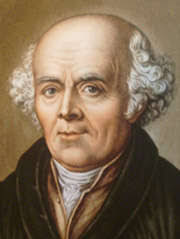
The concept of miasm originates primarily from homeopathic medicine, introduced by Samuel Hahnemann, the founder of homeopathy, in the late 18th century [5]. In this context, miasms represent fundamental inherited or acquired predispositions to disease that affect an individual’s overall health and vitality. Hahnemann identified three primary miasms: Psora (the itch miasm, associated with suppressed itch diseases and considered the most fundamental), Sycosis (the gonorrheal miasm, associated with warty growths and chronic inflammation), and Syphilis (the ulcerative miasm, associated with destructive processes and irregular manifestations) [5].
However, the concept of temperament and “background miasm” may also refer to the humoral theory of ancient medicine, which predates homeopathy by over two millennia [3]. In the classical humoral framework, the four temperaments are directly linked to four bodily fluids or humors: blood (sanguis), yellow bile (chole), black bile (melaina chole), and phlegm (phlegma) [6]. The balance or imbalance of these humors was believed to determine not only physical health but also personality characteristics and temperament [3].
How Temperament Reflects the Background Miasm
In the humoral framework, temperament directly reflects the background humoral constitution, and the sanguine temperament is specifically associated with an excess of blood [3]. The relationship between temperament and humoral/miasmatic background was understood as follows: an individual’s inherent constitutional type, determined by the relative proportions of their humors, would manifest in both their physical characteristics and their psychological temperament [6]. Thus, someone with a predominantly sanguine constitution would exhibit the physical signs associated with blood excess (such as a ruddy complexion, warm body temperature, and good circulation) alongside the psychological traits of the sanguine temperament. This holistic view of health considered the mind and body as interconnected, with the humoral or miasmatic background providing the foundation for both physical constitution and psychological temperament [3].
The four humors corresponded in their natures to earth, air, fire, and water—the four elements of which all matter was composed, according to the Greek philosopher Empedocles [6]. This cosmological framework linked the physical properties of the humors to personality characteristics: blood was associated with air (hot and moist), yellow bile with fire (hot and dry), black bile with earth (cold and dry), and phlegm with water (cold and moist) [3].
Sanguine Temperament in the Miasmatic Framework
Within the context of classical humoral theory, the sanguine temperament represents the pure expression of the blood-related miasm or constitution [3]. Individuals with this temperament type were believed to have blood as their dominant humor, which influenced their entire constitutional makeup. The characteristics of the sanguine temperament—warmth, energy, optimism, sociability, and emotional expressiveness—were all attributed to the qualities of blood as a humor: it was considered warm and moist, active and circulating, nourishing and life-giving [6].
In the homoeopathic miasmatic system, while the correlations are less direct, practitioners have sometimes attempted to associate temperament types with miasmatic backgrounds [5]. The psoric miasm, representing the fundamental drive for survival and freedom from suffering, might manifest with anxious, insecure tendencies. Sycotic individuals might display hoarding, possessive, or fixated characteristics. Syphilitic individuals might show destructive, rigid, or reformative tendencies. However, these associations are more interpretive and less standardized than the classical humoral correlations [5].
Modern Perspective on Temperament and Constitution
Contemporary psychology and personality research have moved away from the literal interpretation of humors and miasms as physical substances determining temperament [4]. However, the underlying insight—that individuals have consistent constitutional differences that manifest in both physical and psychological characteristics—has found support in modern research on temperament and personality. Modern temperament theory identifies several dimensions of temperament including activity level, regularity, initial reaction, adaptability, mood quality, persistence, distractibility, and sensory threshold [4]. Research investigating the neurobiological substrates that underlie temperament has shown that specific brain regions and neural networks underlie fundamental dimensions of temperament such as Negative Affect, Positive Affect, and Constraint [7].
Recent genome-wide association studies have shown that temperament is strongly influenced by more than 700 genes that modulate associative conditioning [4]. These findings support the view that temperament has a biological basis due to its early appearance in life [4]. Nevertheless, the fourfold temperament classification continues to be used in various contexts, including popular personality typing systems, because it provides an accessible framework for understanding fundamental differences in personality style that many find intuitive and practically useful [1].
References
1. Wikipedia. Four temperaments [Internet]. San Francisco: Wikipedia; 2024 [cited 2024 May 30]. Available from: https://en.wikipedia.org/wiki/Four_temperaments
2. BetterHelp. Exploring the traits of a sanguine temperament [Internet]. San Francisco: BetterHelp; 2024 [cited 2024 May 30]. Available from: https://www.betterhelp.com/advice/behavior/15-benefits-and-traits-of-sanguine-temperament/
3. Lumen Learning. Hippocrates & Galen – The four humors [Internet]. [place unknown]: Lumen Learning; 2024 [cited 2024 May 30]. Available from: https://courses.lumenlearning.com/suny-hvcc-healthpsychology/chapter/hippocrates-galen-the-four-humors/
4. Cloninger CR, Kircanski K, Ivory CJ, Grah M, Homan S, Snabbe M, et al. The complex genetics and biology of human temperament: a review. Transl Psychiatry. 2019;9:290.
5. Vithoulkas G, Chabanov D. The evolution of miasm theory and its relevance to homeopathic prescribing. Homeopathy. 2022;112(1):57-64.
6. American Medical Association. The legacy of humoral medicine. AMA J Ethics [Internet]. 2002 [cited 2024 May 30];(7). Available from: https://journalofethics.ama-assn.org/article/legacy-humoral-medicine/2002-07
7. Whittle S, Allen NB, Lubman DI, Yücel M. The neurobiological basis of temperament: towards a better understanding of psychopathology. Neurosci Biobehav Rev. 2006;30(4):511-525.
See less