
What do you mean by drug proving?

Lost your password? Please enter your email address. You will receive a link and will create a new password via email.
Please briefly explain why you feel this question should be reported.
Please briefly explain why you feel this answer should be reported.
Please briefly explain why you feel this user should be reported.
🔬 Drug Proving in Homoeopathy is the process of discovering what symptoms a substance can produce in a healthy person—so that it can later be used to treat similar symptoms in a sick person. It’s the backbone of homoeopathic medicine and was pioneered by Dr. Samuel Hahnemann. 🧪 What Happens During DRead more
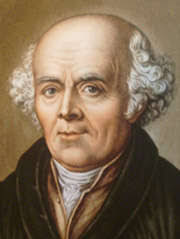
🔬 Drug Proving in Homoeopathy is the process of discovering what symptoms a substance can produce in a healthy person—so that it can later be used to treat similar symptoms in a sick person. It’s the backbone of homoeopathic medicine and was pioneered by Dr. Samuel Hahnemann.
🧪 What Happens During Drug Proving?
Healthy individuals (called provers) take a homoeopathic remedy in controlled doses.
They observe and record all physical, emotional, and mental changes—no matter how subtle.
These symptoms are compiled to create the Materia Medica, which guides homoeopaths in selecting remedies.
📘 Core Principles
Similia Similibus Curentur: “Let like be cured by like.” A substance that causes symptoms in a healthy person can cure similar symptoms in a sick person.
Subjective and Objective Symptoms: Provers note everything from mood changes to skin rashes, digestive issues, dreams, and more.
Potency Matters: Remedies are tested in various dilutions to understand their full range of effects.
🧠 Why It’s So Unique
Unlike conventional medicine, homoeopathy doesn’t rely on chemical analysis alone. It values the individual experience of symptoms, making drug proving a deeply human-centered and holistic method of understanding medicine.
See less