
What ate the qualification of a physician in case taking?

Lost your password? Please enter your email address. You will receive a link and will create a new password via email.
Please briefly explain why you feel this question should be reported.
Please briefly explain why you feel this answer should be reported.
Please briefly explain why you feel this user should be reported.
Qualifications of a Physician in Homoeopathic Case Taking Introduction Case taking in homoeopathy represents the foundational skill upon which successful treatment is built. The physician's qualifications and competencies directly influence the quality of data gathered, which subsequently determinesRead more
Qualifications of a Physician in Homoeopathic Case Taking
Introduction
Case taking in homoeopathy represents the foundational skill upon which successful treatment is built. The physician’s qualifications and competencies directly influence the quality of data gathered, which subsequently determines the accuracy of the homoeopathic prescription.(1,17) A thorough understanding of the required qualifications ensures that practitioners can effectively elicit comprehensive case histories that capture the totality of symptoms essential for individualized homoeopathic treatment.(2)
The Foundation of Case Taking in Organon of Medicine
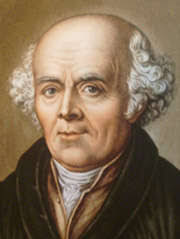
The cornerstone of understanding physician qualifications in homoeopathic case taking is found in Samuel Hahnemann’s Organon of Medicine. Hahnemann devotes specific aphorisms (83-104) to delineating the essential qualities and competencies required for effective case taking.(18) These aphorisms provide the fundamental framework upon which all subsequent teachings on case taking methodology are built, establishing both theoretical principles and practical guidelines for the aspiring homoeopathic physician.(19)
Physician Qualifications According to Aphorism 83
Aphorism 83 establishes the foundational qualifications required of the physician engaged in case taking. According to Hahnemann, the physician must approach each case with complete freedom from prejudice, ensuring that preconceived notions do not influence the interpretation of symptoms.(20) The physician must utilize sound senses to accurately perceive and evaluate the patient’s condition, and must exercise keen attention to detail throughout the examination process.(21)
The aphorism emphasizes that the physician’s primary objective must be to cure the disease in the speediest, gentlest, and most reliable manner, free from any other consideration that might bias the case taking process.(22) This prerequisite of being “unprejudiced” represents the first and most important rule of case taking, as it ensures that the physician can accurately perceive what actually exists rather than what he expects to find.(36) The physician must maintain complete objectivity, allowing the patient’s symptoms to speak for themselves without interpretation through the lens of theoretical assumptions or prior experiences.(37)
The three essential qualifications enumerated in Aphorism 83 are: freedom from prejudice, sound senses, and attention. Each of these qualities plays a vital role in ensuring the accuracy and completeness of the case taking process, forming the foundation upon which successful homoeopathic treatment is built.(34) Without these qualifications, the physician risks missing crucial symptoms or misinterpreting the patient’s condition, leading to ineffective or potentially harmful prescriptions.(43)
Recording the Case According to Aphorism 84
Aphorism 84 details the practical requirements for accurate case recording during the examination process. The physician must write down accurately everything that the patient and his friends have communicated, ensuring no detail is lost or distorted through memory.(23) This requirement for meticulous documentation extends to all aspects of the patient’s history, including the chief complaint, associated symptoms, and relevant personal circumstances.(24)
The physician gathers the case through careful listening, unprejudiced observation, and accurate recording, as emphasized by contemporary interpretations of Hahnemann’s guidelines.(39) The importance of comprehensive documentation cannot be overstated, as case histories must enable other practitioners to understand the patient’s condition and potentially reproduce similar treatment outcomes.(16) This necessitates recording not only the obvious symptoms but also subtle nuances of expression, modal alterations, and concurrent circumstances that define the individuality of the case.(51)
Educational and Professional Qualifications
Medical Foundation
A physician engaged in homoeopathic case taking must possess adequate medical training to understand disease processes, differential diagnoses, and the appropriate boundaries of homoeopathic practice.(3) Competent homoeopaths require subject knowledge in several domains, particularly in medicine, psychology, and ethics, alongside their specialized homoeopathic education.(4) This multi-disciplinary foundation enables the practitioner to identify when symptoms require conventional medical management.(5)
The licensure requirements for homoeopathic physicians typically mandate completion of recognized medical or osteopathic training, followed by specialized post-graduate instruction in homoeopathy.(6) In the United States, applicants must complete one hundred twenty hours of post-graduate medical training in homoeopathy under direct supervision of a licensed homoeopathic physician, which must include clinical case management using appropriate clinical skills.(6) This structured training ensures practitioners possess both the conventional medical knowledge necessary for patient safety and the homoeopathic competencies required for case taking.(7)
Homoeopathic Training Specifics
Beyond basic medical education, the homoeopathic physician must undergo comprehensive training in the principles and practice of homoeopathy as outlined in the Organon.(8) This includes mastery of the homoeopathic materia medica, repertory utilization, and the philosophical foundations established by Samuel Hahnemann in Aphorisms 1-294.(2) The practitioner must understand the vital force concept, the law of similars, and the principles of individualization that distinguish homoeopathic case taking from conventional medical history taking.(9)
Case taking is described as the primary object of the homoeopathic physician, representing the most difficult task that can only be accomplished with proper training and sensitivity.(2) The homoeopath must develop proficiency in various case taking methodologies, learning to structure the patient interview while remaining flexible enough to follow unexpected threads of symptom expression.(10) Training programs emphasize the development of observational skills, interviewing techniques, and the ability to perceive subtle modifications in symptom expression that guide remedy selection.(11)
Core Competencies in Case Taking
Observational Skills
The homoeopathic physician requires highly developed observational capabilities that extend beyond conventional medical examination.(5) The physician needs a keen sense of observation in case taking, as the ability to notice non-verbal cues, emotional expressions, and physical gestures often provides crucial information that patients may not verbalize directly.(5) These observations contribute to understanding the patient’s constitution, temperament, and unique response patterns to illness.(12)
The physician must compile all symptoms the patient exhibits, distinguishing between common presentations and unusual characteristics that define the individual’s case.(5) Hahnemann’s Aphorism 90 adds that the physician should note down what is observed in the patient, emphasizing the importance of objective documentation alongside subjective complaints.(49) Training in observation encompasses recognizing posture, facial expressions, speech patterns, and behavioral tendencies that form part of the holistic picture required for homeopathic prescription.(11) This skill develops through supervised clinical practice and case analysis exercises.(7)
Interview Techniques
Effective case taking requires mastery of specific interviewing techniques that encourage patients to express their symptoms comprehensively.(1) The physician must learn to ask open-ended questions that elicit detailed symptom descriptions while maintaining patient rapport necessary for accurate information gathering.(2) The homoeopathic interview differs from conventional medical history taking by emphasizing the subjective experience of symptoms, modalities, and associated sensations rather than focusing solely on objective clinical findings.13
Case reporting guidelines establish that the homoeopathic interview should cover seven essential areas: patient information, medical history, homoeopathic interview, physical findings, case analysis, prescription, and follow-up.(1) The competent physician must systematically explore each domain while maintaining the flexibility to pursue relevant symptoms that emerge during the consultation.(10) Training includes learning to prioritize complaints, identify central symptoms, and recognize the hierarchy of symptoms that guides homoeopathic prescription.(9)
Clinical Reasoning Ability
The qualified homoeopathic physician must demonstrate sound clinical reasoning abilities that integrate information gathered during case taking with homoeopathic principles.(4) This includes the capacity to identify the most characteristic symptoms, evaluate the totality of symptoms, and select appropriate rubrics for repertorization.(14) The physician must understand the relationship between physical, mental, and emotional symptoms and recognize patterns of constitutional expression.(15)
Competency in case taking extends to managing the clinical case using clinical skills that ensure patient safety throughout the treatment process.(7) This involves recognizing situations requiring referral to other healthcare providers, monitoring for adverse reactions, and adjusting treatment approaches based on patient response.(3) The physician must balance the principles of individualization with practical considerations of patient management.(8)
Ethical and Professional Requirements
Communication Skills
Effective case taking depends upon excellent communication skills that establish trust and facilitate honest disclosure.(4) The physician must create an environment where patients feel comfortable discussing sensitive personal information, including emotional disturbances, lifestyle factors, and detailed symptom experiences.(2) Communication competencies include active listening, appropriate probing, and the ability to respond empathetically to patient concerns.(10)
Documentation Proficiency
The qualified physician must maintain thorough documentation of case taking encounters, recording all relevant information in a systematic manner that facilitates case analysis and follow-up.(16) Case histories must tempt and enable others to reproduce similar results, emphasizing the importance of comprehensive recording that captures the essence of the patient’s suffering.(16) Proper documentation also supports continuity of care and enables review of treatment progress over time.(1)
Conclusion
The qualifications required for physician case taking in homoeopathy encompass medical training, specialized homeopathic education, developed observational and interviewing skills, clinical reasoning abilities, and professional ethical standards.(3,4) These competencies ensure that the homeopathic physician can effectively elicit comprehensive case histories that capture the totality of symptoms necessary for individualized homeopathic treatment.(13) As established by Hahnemann in Aphorisms 83-84, the physician must be free from prejudice, possess sound senses, exercise keen attention, and maintain accurate records of all patient communications.(20,23] Continuous professional development and supervised clinical experience remain essential for maintaining competency in this challenging aspect of homeopathic practice.(6,7)
References
1. Saha S, Koley M, Singh K, Arya JS, Ghosh S, Singh P, et al. Case Reporting in Homeopathy—An Overview of Guidelines and Validation. *PMC*. 2022 [cited 2026 May 22]. Available from: https://pmc.ncbi.nlm.nih.gov/articles/PMC8803476/
2. Gandha R. A Checklist of Case Taking for Students. *Hpathy.com*. 2022 [cited 2026 May 22]. Available from: https://hpathy.com/homeopathy-papers/checklist-case-taking-students/
3. Homeopathy USA. Case Taking Principles, Problems and Challenges in Fast Changing Times in Medicine, Medical and Professional Homeopathy. 2023 [cited 2026 May 22]. Available from: https://homeopathyusa.org/prior-webinars/case-taking-principles-problems-and-challenges-in-fast-changing-times-in-medicine-medical-and-professional-homeopathy/
4. Education for Health. What is a Competent Homeopath and What Do They Need in Their Toolkit? *Education for Health Journal*. 2012 [cited 2026 May 22]. Available from: https://journals.lww.com/edhe/fulltext/2012/25030/what_is_a_competent_homeopath_and_what_do_they.8.aspx
5. Homeopathy360. Physician Observation: A Silent Guide in Homoeopathic Case Taking. 2024 [cited 2026 May 22]. Available from: https://www.homeopathy360.com/physician-observation-a-silent-guide-in-homoeopathic-case-taking-a-review-2/
6. Connecticut Department of Public Health. Homeopathic Physician Licensure Requirements US Trained Applicants. 2024 [cited 2026 May 22]. Available from: https://portal.ct.gov/dph/practitioner-licensing–investigations/homeopathic-physician/homeopathic-physician-licensure-requirements–us-trained-applicants
7. Accreditation Commission for Homeopathic Education in North America. Standards for Homeopathic Education. 2013 [cited 2026 May 22]. Available from: https://achena.org/Docs/2013/S&C%20Final%20September%202013.pdf
8. New York School of Homeopathy. Methods of Case-Taking at NYSH. 2023 [cited 2026 May 22]. Available from: https://nyhomeopathy.com/methods-of-case-taking-at-nysh-2/
9. National Institute of Homoeopathy. The Journey from Case Taking to Prescription — A Clinical Perspective. 2025 [cited 2026 May 22]. Available from: https://nshmcbhopal.com/index.php/2025/11/09/the-journey-from-case-taking-to-prescription-a-clinical-perspective/
10. Similia. Homeopathic Case Taking Guide — Step-by-Step for Practitioners. 2024 [cited 2026 May 22]. Available from: https://www.similia.io/en/blog/homeopathic-case-taking-guide
11. University of Bristol. Training in Homeopathic Medicine. 2010 [cited 2026 May 22]. Available from: https://www.uhbristol.nhs.uk/media/1937197/bhh_brochure2010-11.pdf
12. Van Wassenhoven M. The importance of case histories for accepting and improving homeopathy. *Homeopathy*. 2014;103(1):57-60.
13. MedStudents. History Taking. 2024 [cited 2026 May 22]. Available from: https://www.medistudents.com/osce-skills/patient-history-taking
14. MedSchool. Basic History-Taking. 2024 [cited 2026 May 22]. Available from: https://medschool.co/history/basics
15. Facebook Groups. Homeopathic case taking techniques discussion. 2023 [cited 2026 May 22]. Available from: https://www.facebook.com/groups/372561094142647/posts/392714438793979/
16. Van Wassenhoven M. The importance of case histories for accepting and improving homeopathy. *Homeopathy*. 2014;103(1):57-60.
17. Vithoulkas G. Aphorisms 83-92. *Vithoulkas.com*. 2024 [cited 2026 May 22]. Available from: https://www.vithoulkas.com/learning-tools/organon/organon-hahnemann/aphorisms-83-92/
18. Hahnemann S. Organon of Medicine. 6th ed. Translated by Kunzlaff J. Germany: Publisher unknown; 1842. Aphorisms 83-104.
19. Chirumbolo S. Hahnemann’s Organon Aphorisms 83-104. *ResearchGate*. 2015 [cited 2026 May 22]. Available from: https://www.researchgate.net/profile/Salvatore_Chirumbolo/post/Whos-right-in-considering-the-end-of-homeopathy-in-clinics-and-therapy/attachment/59d64123c49f478072eaab00/AS%3A273794319486988%401442289060621/download/HAHNEMANN+Aphorisms+83-104.doc
20. Hahnemann S. Organon of Medicine. Aphorism §83. In: Vithoulkas G, editor. Aphorisms 83-92. 2024 [cited 2026 May 22]. Available from: https://www.vithoulkas.com/learning-tools/organon/organon-hahnemann/aphorisms-83-92/
21. Slideshare. Aphorism case taking. 2022 [cited 2026 May 22]. Available from: https://www.slideshare.net/slideshow/aphorism-case-taking/244996516
22. Resonance School of Homeopathy. Aphorism 83. 2024 [cited 2026 May 22]. Available from: https://www.resonanceschoolofhomeopathy.com/blog/aphorism-83
23. Hahnemann S. Organon of Medicine. Aphorism §84. In: Vithoulkas G, editor. Aphorisms 83-92. 2024 [cited 2026 May 22]. Available from: https://www.vithoulkas.com/learning-tools/organon/organon-hahnemann/aphorisms-83-92/
24. The School of Homeopathy. Aphorism 81-90 – The Organon. 2024 [cited 2026 May 22]. Available from: https://www.homeopathyschool.com/the-school/editorial/the-organon/aphorism-81-90/
25. Jayoti Vidyapeeth Women’s University. A Hand Book on Case Taking. 2022 [cited 2026 May 22]. Available from: https://www.jvwu.ac.in/documents/Title-%20%20A%20Hand%20Book%20on%20Case%20Taking.pdf
26. International Journal of Advanced AYUSH. The Art and Science of Homoeopathic Case Taking. 2023 [cited 2026 May 22]. Available from: https://internationaljournal.org.in/journal/index.php/ijayush/article/view/1512/1470
27. Bhatia M. Homeopathic Case Taking. *Hpathy.com*. 2022 [cited 2026 May 22]. Available from: https://hpathy.com/organon-philosophy/case-taking/
28. The Academic. Case Taking in Homoeopathy. 2024 [cited 2026 May 22]. Available from: https://theacademic.in/wp-content/uploads/2024/09/47.pdf
29. Homeobook. Organon aphorism quick review. 2024 [cited 2026 May 22]. Available from: https://www.homeobook.com/pdf/organon-aphorism-quick-review.pdf
30. Homeopathy360. Importance of Homoeopathic Observation in Case Taking. 2024 [cited 2026 May 22]. Available from: https://www.homeopathy360.com/importance-of-homoeopathic-observation-in-case-taking/
31. Sharma B. Taking the case fully and correctly is of critical importance. Facebook. 2023 [cited 2026 May 22]. Available from: https://www.facebook.com/drbhaskar.sharma.7/posts/taking-the-case-taking-the-case-fully-and-correctly-is-of-critical-importance-as/2125590840972412/
32. Mayo Homeopathy. Case-taking: acute, chronic and epidemic. 2024 [cited 2026 May 22]. Available from: http://www.mayohomeopathy.ie/index.php/case-taking-patient-notes-history/
33. Scribd. Individualization in Homeopathy: Aphorism 83. 2023 [cited 2026 May 22]. Available from: https://www.scribd.com/document/848022977/aphorism-83
34. Scribd. Explanation of Aphorisms 71-104. 2024 [cited 2026 May 22]. Available from: https://www.scribd.com/document/897813266/Aphorism-71-72-73-74-75-76-77-78-79-80-81-82
35. Homeopathy360. Importance of Observation in Homoeopathic Case Taking. 2024 [cited 2026 May 22]. Available from: https://www.homeopathy360.com/importance-of-observation-in-homoeopathic-case-taking/
36. Facebook Groups. Hahnemann’s guidelines regarding the art of case-taking. 2023 [cited 2026 May 22]. Available from: https://www.facebook.com/groups/hpathyfanclub/posts/7034446433260401/
37. Facebook Groups. Knowledge required for homoeopathic physicians. 2024 [cited 2026 May 22]. Available from: https://www.facebook.com/groups/1697369443883677/posts/4096997713920826/
38. YouTube. Organon of Medicine – Aphorism 83-84. 2024 [cited 2026 May 22]. Available from: https://www.youtube.com/watch?v=rF1w0dZdmFo
Also go
See less