
Explain – "Similia Similibus Curenture"

Lost your password? Please enter your email address. You will receive a link and will create a new password via email.
Please briefly explain why you feel this question should be reported.
Please briefly explain why you feel this answer should be reported.
Please briefly explain why you feel this user should be reported.
"Similia Similibus Curenture" — The Foundation of Homeopathy Literal Translation The phrase "Similia Similibus Curenture" is Latin and translates to: > "Let like be cured by like" or "Let similars be treated by similars" Core Principle Explained This phrase encapsulates the fundamental principleRead more
“Similia Similibus Curenture” — The Foundation of Homeopathy
Literal Translation
The phrase “Similia Similibus Curenture” is Latin and translates to:
> “Let like be cured by like” or “Let similars be treated by similars”
Core Principle Explained
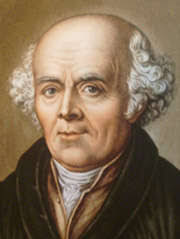
This phrase encapsulates the fundamental principle of homoeopathy, an alternative medical system developed in the late 18th century by German physician Samuel Hahnemann (1755–1843).
The Core Concept
The principle states that:
Like cures like A substance that can cause symptoms in a healthy person can be used to treat similar symptoms in a sick person
The more dilute, the more potent Homoeopathic remedies are typically highly diluted, and proponents believe this increases their therapeutic effect
Key Interpretations
1. Symptom Resemblance: If a substance produces certain symptoms in a healthy person (e.g., fever, headaches), it can be used to treat those same symptoms in a sick person.
2. Holistic Approach: Homoeopathy views symptoms not as problems to be suppressed, but as the body’s attempt to heal itself. The remedy supports this natural process.
3. Individualization: Treatment is highly personalized — the same condition may require different remedies for different people based on their unique symptom patterns.
4. Minimum Dose: Following the principle of “less is more,” remedies are diluted extensively (often beyond the point where no molecules of the original substance remain).
Historical Context
– Samuel Hahnemann formalized this principle in the early 1790s after his “proving” experiments where he tested substances on healthy volunteers
– He coined the term “homeopathy” from the Greek words homoios (similar) and pathos (suffering)
– This stood in contrast to conventional medicine of his time, which often used opposing treatments ( allopathy )
Summary
See less“Similia Similibus Curenture” is the foundational maxim of homoeopathy, embodying the philosophy that substances capable of producing symptoms in a healthy body can cure similar symptoms in a sick body when administered in appropriate doses.