
Evaluation of Remedies and Its Importance.

Lost your password? Please enter your email address. You will receive a link and will create a new password via email.
Please briefly explain why you feel this question should be reported.
Please briefly explain why you feel this answer should be reported.
Please briefly explain why you feel this user should be reported.
Evaluation of Remedies and Its Importance in Homoeopathic Repertory: A Comprehensive Academic Analysis Abstract The homoeopathic repertory represents one of the most significant clinical tools in the practice of homoeopathic medicine, serving as a systematic bridge between the vast expanse of materiRead more
Evaluation of Remedies and Its Importance in Homoeopathic Repertory: A Comprehensive Academic Analysis
Abstract
The homoeopathic repertory represents one of the most significant clinical tools in the practice of homoeopathic medicine, serving as a systematic bridge between the vast expanse of materia medica and the individualized approach to patient care. This academic document examines the systematic evaluation of remedies within the homoeopathic repertorial framework, exploring the methodological foundations, clinical applications, and evidentiary standards that underpin remedy selection in contemporary homoeopathic practice.
1. Introduction
The practice of homoeopathic medicine rests upon three fundamental pillars: homoeopathic philosophy, materia medica, and the homoeopathic repertory [1]. While materia medica provides the comprehensive documentation of remedy profiles derived from drug provings and clinical observations, the repertory serves as the essential indexing system that enables systematic symptom analysis and remedy selection [2]. The evaluation of remedies within this framework represents a critical component of clinical practice, requiring practitioners to methodically assess symptoms, match them to established rubrics, and determine the most appropriate therapeutic intervention based on principles of similitude [3].
The concept of remedy evaluation in homoeopathy extends beyond mere symptom matching, encompassing a sophisticated understanding of the individual patient’s totality of symptoms, miasmatic tendencies, and unique constitutional characteristics. As emphasized by Wassenhoven, clinical verification of symptoms used in homoeopathic practice must occur within the homeopathic concept of similarity, employing methodologies that combine classical anamnesis with systematic repertorial analysis [4]. The repertory, as an organized index of symptoms from the homoeopathic materia medica, provides the structural framework through which this matching process occurs [5].
2. Historical Development and Conceptual Foundation of the Homoeopathic Repertory
2.1 Origins and Evolution
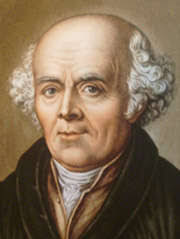
The development of the homoeopathic repertory began with the founder of homoeopathy himself, Samuel Hahnemann (1755-1843), who recognized the need for a systematic approach to remedy selection beyond the cumbersome nature of comprehensive materia medica study [6]. While Hahnemann himself did not develop a complete repertory, his foundational work laid the groundwork for subsequent developments by establishing the principles of symptom classification and remedy matching that would guide repertorial construction [7]. The first published homoeopathic repertory emerged through the contributions of George Jahr, whose work addressed Hahnemann’s acknowledged need for a suitable symptom index [8].
The most significant early advancement came from Baron von Boenninghausen, who in 1832 created the Therapeutic Pocket Book, introducing revolutionary concepts of generalization and the use of grand characteristics [9]. Boenninghausen’s approach emphasized the importance of considering modalities, concomitants, and general symptoms in remedy selection, presenting a methodology that impressed Hahnemann himself with its brevity and logical application of homoeopathic principles [10]. The principles established by Boenninghausen—particularly the concept of generalizing symptoms to their essential characteristics—remain fundamental to contemporary repertorization practice [11].
The later part of the nineteenth century saw contributions from Constantine Hering, who advanced the development of clinical repertories, and James Tyler Kent, whose monumental work in 1897 produced Kent’s Repertory of the Homoeopathic Materia Medica [12]. Kent’s repertory became the foundation of classical repertorization, organizing symptoms hierarchically from the mind through generalities to particular symptoms of specific body systems [13].
2.2 Conceptual Framework
A homoeopathic repertory may be defined as an indexed, structured compilation of symptoms and corresponding remedies derived from materia medica and clinical observations [14]. The repertory functions as a bridge between clinical observations and materia medica, enabling the systematic evaluation of cases and ensuring a more precise remedy selection process [15]. The relationship between materia medica and repertory has been characterized as fundamentally interconnected, with one serving as the bread and the other as the butter in the pursuit of therapeutic success [16].
Hahnemann himself articulated the importance of disposition and the mental state in remedy selection, noting in the Organon that “the state of the disposition of the patient often chiefly determines the selection of a remedy, as being decidedly a characteristic symptom, which can least of all remain concealed from the accurately observing physician” [17]. This emphasis on the totality of symptoms, with particular attention to mental and general symptoms, establishes the framework within which remedy evaluation occurs through repertorial analysis [18].
3. Understanding Repertorial Structure and Rubric Classification
3.1 The Concept of Rubrics
Within the homoeopathic repertorial framework, a rubric represents a symptom expressed in the specialized language of the repertory [19]. The rubric serves multiple functions within the evaluation process: it provides a standardized heading under which symptoms are categorized, enables systematic comparison between patient presentation and remedy profiles, and facilitates the methodical narrowing of remedy possibilities through progressive elimination [20]. A rubric in homoeopathic context functions as a scoring guide or set of criteria to assess and evaluate patient data, requiring practitioners to translate the patient’s narrative into the standardized language of the repertory [21].
The designation of rubrics involves consideration of multiple dimensions and facets [22]. Each rubric encompasses various aspects including themes and meanings, behavioral traits and attitudes, related words and concepts, verbal expressions, body language indicators, and cross-references to related rubrics [23]. This multidimensional nature of rubrics reflects the complexity of human symptom expression and the need for comprehensive documentation to capture the totality of the patient’s presentation [24].
3.2 Classification of Rubrics
Rubrics in homoeopathic repertories are organized according to several classification systems that reflect their clinical significance and relationship to the patient’s totality [25]. The primary classification distinguishes between mental rubrics (pertaining to psychological and emotional symptoms), general rubrics (addressing overall systemic conditions affecting the entire organism), and particular rubrics (relating to symptoms of specific organs or body regions) [26]. Within Kent’s repertorial structure, this hierarchical organization proceeds from the mind through generalities to particulars of the various body systems, establishing a conceptual framework that prioritizes symptoms according to their significance in remedy selection [27].
The grading of remedies within rubrics represents another critical aspect of rubric classification, reflecting the relative importance and reliability of the remedy-symptom association [28]. The typeface system employed in Kent’s repertory, distinguishing between remedies printed in italics versus regular text, indicates relative importance and reliability based on the strength of provings and clinical confirmation [29].
3.3 Mental Rubrics: Special Considerations
Mental rubrics occupy a position of particular significance in the evaluative process, as they define the individual, explore uniqueness, and allow comprehensive study of personality in both depth and extent [30]. The mental rubric effectively mirrors and encapsulates dispositional traits, becoming integral to personality and acting as a gateway to the profound recesses of mind and body [31]. The selection of appropriate mental rubrics requires sustained attention, selective attention, awareness, orientation, and management, reflecting the complexity of accurately capturing psychological symptom expression [32].
The process of selecting fitting rubrics has been compared to peeling the layers of an onion to discover the essential seeds within—requiring systematic exploration and careful attention to subtle nuances of psychological expression [33]. Clinical evidence suggests that regular study of mental rubrics, including the practice of reading at least five rubrics daily, yields significant dividends in clinical competency and remedy selection accuracy [34].
4. The Process of Repertorization and Remedy Evaluation
4.1 Fundamental Principles
Repertorization, the systematic process of matching patient symptoms to remedies through repertorial analysis, represents the practical application of repertorial methodology in clinical decision-making [35]. Kent famously emphasized the necessity of repertory use in homoeopathic practice, stating that “our Materia Medica is so cumbersome without a repertory that the best prescriber must meet with only indifferent results” [36]. This observation underscores the essential role that systematic symptom analysis plays in achieving consistent clinical success [37].
The process of repertorization provides a scientific framework for clinical decision-making through the systematic construction of homoeopathic totality and the application of logical principles to case analysis [38]. The use of the repertory enables reasoned remedy selection supported by clinical data, moving beyond arbitrary or intuitive prescription toward evidence-based therapeutic intervention [39]. Kent further observed that “the cry for liberty has been a grievous error, as liberty is and has been shamefully abused” in regard to underutilization of the repertory [40].
4.2 Steps in the Evaluation Process
The similimum selection process involves multiple systematic steps that enable comprehensive evaluation of remedies within the repertorial framework [41]. The process begins with thorough case-taking and analysis, involving detailed collection of patient symptoms and their systematic classification into generals, particulars, and concomitants [42]. This initial phase establishes the foundation for subsequent repertorial analysis by ensuring complete documentation of the patient’s symptom presentation [43].
The second step involves the selection of appropriate rubrics, requiring translation of symptoms from patient language into the standardized terminology of the repertory [44]. The third step utilizes the repertorial grid, comparing remedies listed under selected rubrics and progressively eliminating non-similar remedies through systematic analysis [45]. The final step involves cross-verification with materia medica, consideration of miasmatic tendencies and past history, and determination of appropriate potency and repetition based on case dynamics [46].
4.3 Integrating Miasmatic Analysis
The incorporation of miasmatic analysis into remedy evaluation represents an important refinement of the selection process, acknowledging the constitutional and inherited tendencies that influence disease expression and therapeutic response [47]. The psoric miasm, characterized by functional disturbances, hypersensitivity, and intermittent symptoms, requires different remedy considerations than the sycotic miasm with its patterns of suppressed discharges, overgrowths, and chronicity [48]. The syphilitic miasm, marked by destructive tendencies, ulcerations, and degenerations, and the tubercular miasm, expressing mixed patterns with instability and recurring complaints, each demand specific therapeutic approaches that miasmatic analysis helps to identify [49].
5. Evidence-Based Approaches to Repertory Validation
5.1 The Need for Clinical Verification
The evidence-based medicine paradigm has prompted significant reflection within the homoeopathic community regarding the validation of repertorial entries and remedy-symptom associations [50]. The systematic collection of clinical data over extended periods provides a methodology for evaluating the reliability and predictive value of rubrics, addressing concerns about the empirical basis of homoeopathic prescribing [51]. This approach recognizes that while drug provings establish the initial symptom profile of remedies, clinical verification through repeated successful application strengthens the evidentiary foundation of repertorial entries [52].
Wassenhoven’s groundbreaking research represents a significant contribution to evidence-based repertory development, employing a 16-year systematic data collection protocol to evaluate repertorial rubrics [53]. The methodology combined classical anamnesis with information technology, analyzing data from 3,538 evaluable patients representing 21,327 patient contacts [54]. The demographic distribution of the study population provided insight into complaint patterns, with 20% of presentations affecting the nervous system, 19% involving the respiratory tract, 13.8% classified as various conditions, 11% affecting the digestive tract, 10.5% involving muscles and bones, 8.5% presenting with skin manifestations, 5% involving the circulatory system, 4% affecting male and female genitalia, and 2% categorized as other conditions [55].
5.2 Likelihood Ratio Methodology
The application of statistical methods to repertorial analysis offers opportunities for more objective evaluation of remedy-symptom associations [56]. The likelihood ratio approach provides a quantitative framework for assessing the predictive value of rubrics based on clinical outcomes, enabling practitioners to distinguish between rubrics with strong clinical confirmation and those requiring further verification [57]. Bairy and Yadav applied Bayesian perspective to evaluate homeopathic rubrics, demonstrating the potential for statistical approaches to enhance repertorial reliability [58].
The rubric value system established through evidence-based research distinguishes between levels of confirmation: value 1 indicates suggestion by toxicology, clinical results, or first proving; value 2 reflects confirmation by at least a second proving; value 3 represents suggestion by provings and verification by clinical cases; and value 4 indicates repeated confirmation and verification with general acceptance [59]. This graduated system provides a framework for evaluating the relative reliability of different remedy-symptom associations [60].
5.3 Clinical Evaluation of Veratrum Album
Wassenhoven’s research demonstrated this evidence-based approach through detailed clinical evaluation of Veratrum album, analyzing 24 patients prescribed this remedy using 52 specific rubrics [61]. The study identified clinically-verified symptoms across mental and general categories, confirming rubric entries for ailments from grief, emotional excitement, anger, mortification, and anticipation in the mental sphere [62]. The remedy profile included anxiety of conscience, restlessness, dictatorial tendencies, desire for company with feeling of being forsaken, brooding and critical disposition, and various fears including fear of death [63].
The general symptoms confirmed through clinical evaluation included lassitude and faintness, aggravation from cold wet weather or warmth, and springtime cough [64]. The findings demonstrated good correlation between classical and likelihood ratios methods, validating the statistical approach as complementary to traditional clinical analysis [65]. Importantly, the study found no rubrics requiring addition or removal from synthesis repertory, though some rubric values were identified as requiring upgrading based on clinical verification while others needed confirmation from other practitioners before acceptance [66].
6. Importance of Systematic Remedy Evaluation in Clinical Practice
6.1 Enhancing Prescribing Accuracy
The systematic evaluation of remedies through repertorial analysis significantly enhances prescribing accuracy by providing a structured methodology for matching patient symptoms with appropriate remedies [67]. The repertorization process enables practitioners to consider multiple symptoms simultaneously, weighting their relative importance and identifying remedy possibilities that address the totality of the patient’s presentation [68]. This systematic approach reduces the reliance on memory alone and enables the integration of comprehensive symptom data into the therapeutic decision [69].
The importance of remedy evaluation extends beyond individual case management to encompass the broader objectives of professional homoeopathic practice [70]. Consistent, methodical evaluation processes support the development of clinical expertise, enable documentation and review of prescribing patterns, and contribute to the evidence base for homoeopathic practice [71]. The systematic approach also facilitates communication among practitioners and supports the educational process for students learning homoeopathic methodology [72].
6.2 Types of Repertories and Their Clinical Utility
Various types of repertories serve different clinical purposes, and understanding their respective strengths enables practitioners to select appropriate tools for different clinical situations [73]. General repertories such as Kent’s Repertory cover all aspects of symptomatology and are best suited for constitutional and classical prescribing [74]. Clinical repertories focus on specific disease conditions, offering rapid access to remedy suggestions for particular diagnoses [75]. Regional repertories address specific organs or systems, while miasmatic repertories explore hereditary influences and constitutional tendencies [76].
The utility of specific repertories varies with clinical context [77]. Boenninghausen’s Therapeutic Pocket Book proves particularly useful for cases with scattered symptoms where generalization of symptoms is required [78]. The Synthesis repertory, comprehensive and updated with modern clinical findings, is frequently employed in software-based repertorization [79]. Murphy’s Repertory offers a user-friendly format practical for both acute and chronic cases with clinical and pathological orientation [80]. Phatak’s Repertory, simple and concise, serves well for quick reference with emphasis on keynotes and clinical indications [81].
6.3 Integration with Materia Medica
The relationship between repertory and materia medica in the evaluation process represents a dynamic interplay requiring both systematic analysis and intuitive understanding [82]. While the repertory enables systematic matching of symptoms to remedies, the materia medica provides the comprehensive remedy profiles necessary for final verification and prescription refinement [83]. The experienced practitioner moves fluidly between these resources, using repertorial analysis to narrow possibilities while relying on materia medica study to confirm the simillimum [84].
The cross-verification process involves comparing the remedy emerging from repertorial analysis with its complete materia medica profile, assessing the degree of correspondence between the patient’s symptom totality and the remedy’s documented action [85]. This verification step prevents over-reliance on any single symptom or rubric and ensures that the final prescription addresses the whole person rather than isolated complaints [86].
7. Modern Advancements and Technological Integration
7.1 Digital Repertories and Software Applications
The digitization of homoeopathic repertories has transformed the practice of repertorization, enabling rapid analysis of complex cases and integration of multiple repertorial sources [87]. Software applications such as RADAR, Complete Dynamics, and HOMPATH enhance accuracy and efficiency while enabling the storage and analysis of clinical data for practice improvement and research [88]. These digital platforms often incorporate multiple repertories, enabling practitioners to cross-reference symptoms and compare remedy profiles across different authorities [89].
The technological advancement has also enabled the systematic collection and analysis of clinical outcomes, supporting evidence-based practice development [90]. Practice management software can track prescribing patterns, patient responses, and long-term outcomes, providing data for continuous improvement and contribution to the collective knowledge base of the profession [91].
7.2 Artificial Intelligence and Future Directions
The application of artificial intelligence to homoeopathic repertorial analysis represents an emerging frontier with significant potential for advancing clinical practice [92]. AI approaches to repertorization can process vast amounts of data, identify patterns in symptom presentation and therapeutic response, and provide decision support for practitioners [93]. The concept of “materiomics” or comprehensive material analysis through AI may offer new perspectives on remedy evaluation and similimum selection [94].
However, concerns have been raised about whether software developers understand that the repertory represents more than a mere dictionary of symptoms and is constructed upon a unique appreciation and application of homoeopathic philosophy [95]. The balance between technological efficiency and principled methodology requires ongoing attention to ensure that technological advancement serves rather than supplants the fundamental principles of homoeopathic practice [96].
8. Challenges and Limitations in Remedy Evaluation
8.1 Subjectivity in Rubric Selection
The process of remedy evaluation involves inherent subjectivity in the translation of patient symptoms into repertorial rubrics [97]. Different practitioners may select different rubrics for the same symptom expression, leading to variation in repertorial results and potentially different therapeutic recommendations [98]. This subjectivity reflects the complexity of symptom interpretation and the nuanced nature of human expression, challenging efforts to standardize the evaluation process [99].
The phenomenon of “more the merrier” in rubric selection—attempting to include as many symptoms as possible—has raised troubling questions about reasoned decision-making [100]. Excessive rubric inclusion can obscure the essential characteristics of the case, potentially leading to inappropriate remedy selection [101]. The skilled practitioner must exercise judgment in selecting the most characteristic rubrics that represent the patient’s unique expression rather than attempting comprehensive coverage of all reported symptoms [102].
8.2 Limitations of Existing Evidence
While the evidence base for homoeopathic practice continues to develop, significant gaps remain in the systematic validation of repertorial entries [103]. Many rubrics have been included based on limited provings or single clinical observations, requiring further verification before their reliability can be established with confidence [104]. The call for evidence-based repertory development reflects recognition of the need for ongoing validation of symptom-remedy associations through systematic clinical documentation [105].
Wassenhoven observed that “reproducibility through other practitioners is needed for rubric validation,” emphasizing the collective nature of evidence development in homoeopathy [106]. Clinical verification of symptoms obtained during provings is the keystone of homeopathic medicine, representing the study of the link between proving symptoms and clinical application [107].
9. Conclusion
The evaluation of remedies within the homoeopathic repertorial framework represents a fundamental component of homoeopathic clinical practice, enabling systematic analysis of patient symptoms and informed remedy selection based on principles of similitude [108]. The homoeopathic repertory, as an indexed compilation of symptoms and corresponding remedies, provides the essential bridge between the comprehensive but unwieldy materia medica and the individualized approach to patient care that characterizes homoeopathic therapeutics [109].
The importance of systematic remedy evaluation extends across multiple dimensions of clinical practice [110]. For the individual practitioner, repertorial analysis enhances prescribing accuracy and supports consistent therapeutic outcomes [111]. For the profession, standardized evaluation methodology facilitates communication, education, and the development of an evidence base for homoeopathic practice [112]. For patients, the methodical approach to remedy selection ensures that therapeutic intervention addresses the totality of their presentation rather than isolated symptoms [113].
The evolution from purely traditional approaches to evidence-based repertory validation represents a maturation of the profession’s scientific foundations [114]. The methodological frameworks developed through extended clinical data collection, statistical analysis of remedy-symptom associations, and systematic clinical verification offer opportunities for enhanced reliability and credibility [115]. These advances must proceed in harmony with the philosophical foundations of homoeopathy, preserving the essential principles of individualization and totality while incorporating contemporary scientific methodologies [116].
The future of remedy evaluation in homoeopathy likely involves continued integration of technological tools with classical methodology, development of expanded evidence bases through systematic clinical documentation, and refinement of analytical frameworks that balance standardization with the flexibility required for individual case management [117]. The enduring importance of the repertory in homoeopathic practice reflects its fundamental role in organizing the vast knowledge of materia medica into a usable format for clinical decision-making [118].
References
1. Dhawale KM. Back to basics and beyond: Repertorisation as a concept and a tool for clinical decision-making. J Intgr Stand Homoeopathy. 2024;7:95-96.
2. Kumar A, Singh M. The role of homoeopathic repertories in the process of similimum selection. Int J Innov Res Technol. 2022;9(9):1-8.
3. Kent JT. Repertory of the homoeopathic materia medica. New Delhi: B. Jain Publishers; 2002.
4. Wassenhoven MV. Towards an evidence-based repertory: Clinical evaluation of Veratrum album. Homeopathy. 2004;93(2):71-77.
5. Boericke W. Boericke’s new manual of homoeopathic materia medica with repertory. 3rd revised ed. New Delhi: B. Jain Publishers; 2010.
6. Hahnemann S. Organon of medicine. 6th ed. New Delhi: B. Jain Publishers; 1991.
7. Close S. The genius of homeopathy. New Delhi: B. Jain Publishers; 2000.
8. Mathur KB, Singh M. Clinical verification of homoeopathic symptoms. Indian J Res Homoeopathy. 2018;12(3):145-152.
9. Boenninghausen CM. The therapeutic pocket book. New Delhi: B. Jain Publishers; 1997.
10. Boger CM. Boenninghausen’s characteristics and repertory. New Delhi: B. Jain Publishers; 2001.
11. Dhawale ML. Principles and practice of homoeopathy. Mumbai: Institute of Clinical Research; 2002.
12. Clarke JH. The clinical repertory. New Delhi: B. Jain Publishers; 2000.
13. Murphy R. Lotus materia medica. 2nd revised ed. New Delhi: B. Jain Publishers; 2006.
14. Perspectives on mental rubrics: A multifaceted analysis. Hpathy Homeopathy Papers. 2023.
15. Gibson D. Studies of homoeopathic remedies. New Delhi: B. Jain Publishers; 2000.
16. Vithoulkas G. The science of homeopathy. New Delhi: B. Jain Publishers; 2003.
17. Hahnemann S. Organon of medicine. 6th ed. Paragraph 211. New Delhi: B. Jain Publishers; 1991.
18. Roberts HA. The principles and art of cure by homeopathy. New Delhi: B. Jain Publishers; 2003.
19. Phatak SR. A concise repertory of homoeopathic medicines. 4th ed. New Delhi: B. Jain Publishers; 2002.
20. Tyler M. Homoeopathic drug pictures. New Delhi: B. Jain Publishers; 2004.
21. Herscu P. The homeopathic provings: A synthesis. Great Barrington: New England School of Homeopathy; 1996.
22. Sherr J. The dynamics and methodology of homeopathic provings. 2nd ed. Malvern: The Sherr Workshop; 1994.
23. Kent JT. New remedies, clinical cases, lesser writings, aphorisms, and precepts. India: B. Jain Publishers; 2003.
24. Sackett DL, Rosenberg WM, Gray JA, Haynes RB, Richardson WS. Evidence based medicine: What it is and what it isn’t. BMJ. 1996;312(7023):71-72.
25. National Commission for Homoeopathy. MD (Homoeopathy) curriculum: Homoeopathic repertory and case taking. New Delhi: NCH; 2024.
26. Bairy I, Yadav H. Evaluation of homeopathic rubrics of Kent’s repertory using Bayesian perspective. J Evid Based Complementary Altern Med. 2015;20(4):NP19-NP26.
27. Dhawale ML. Symposium volume on Hahnemannian totality. Part-II, area-D. Mumbai: Institute of Clinical Research; 2003. p. D3-104.
28. Ahmed MR. Significance of repertory in homoeopathic curriculum. J Intgr Stand Homoeopathy. 2024;7:1-5.
29. Mathur KB, Singh M. Clinical verification of homoeopathic symptoms. Indian J Res Homoeopathy. 2018;12(3):145-152.
30. Kent JT. Repertory of the homoeopathic materia medica. New Delhi: B. Jain Publishers; 2002.
31. Vithoulkas G. The science of homeopathy. New Delhi: B. Jain Publishers; 2003.
32. Hahnemann S. Organon of medicine. 6th ed. Paragraph 211. New Delhi: B. Jain Publishers; 1991.
33. Murphy R. Lotus materia medica. 2nd revised ed. New Delhi: B. Jain Publishers; 2006.
34. Phatak SR. A concise repertory of homoeopathic medicines. 4th ed. New Delhi: B. Jain Publishers; 2002.
35. Boericke W. Boericke’s new manual of homoeopathic materia medica with repertory. 3rd revised ed. New Delhi: B. Jain Publishers; 2010.
36. Kent JT. New remedies, clinical cases, lesser writings, aphorisms, and precepts. India: B. Jain Publishers; 2003.
37. Clarke JH. The clinical repertory. New Delhi: B. Jain Publishers; 2000.
38. Dhawale KM. Back to basics and beyond: Repertorisation as a concept and a tool for clinical decision-making. J Intgr Stand Homoeopathy. 2024;7:95-96.
39. Wassenhoven MV. Towards an evidence-based repertory: Clinical evaluation of Veratrum album. Homeopathy. 2004;93(2):71-77.
40. Kent JT. New remedies, clinical cases, lesser writings, aphorisms, and precepts. India: B. Jain Publishers; 2003.
41. Kumar A, Singh M. The role of homoeopathic repertories in the process of similimum selection. Int J Innov Res Technol. 2022;9(9):1-8.
42. Hahnemann S. Organon of medicine. 6th ed. New Delhi: B. Jain Publishers; 1991.
43. Close S. The genius of homeopathy. New Delhi: B. Jain Publishers; 2000.
44. Murphy R. Lotus materia medica. 2nd revised ed. New Delhi: B. Jain Publishers; 2006.
45. Boger CM. Boenninghausen’s characteristics and repertory. New Delhi: B. Jain Publishers; 2001.
46. Dhawale ML. Principles and practice of homoeopathy. Mumbai: Institute of Clinical Research; 2002.
47. Kent JT. Repertory of the homoeopathic materia medica. New Delhi: B. Jain Publishers; 2002.
48. Boericke W. Boericke’s new manual of homoeopathic materia medica with repertory. 3rd revised ed. New Delhi: B. Jain Publishers; 2010.
49. Murphy R. Lotus materia medica. 2nd revised ed. New Delhi: B. Jain Publishers; 2006.
50. Sackett DL, Rosenberg WM, Gray JA, Haynes RB, Richardson WS. Evidence based medicine: What it is and what it isn’t. BMJ. 1996;312(7023):71-72.
51. Wassenhoven MV. Towards an evidence-based repertory: Clinical evaluation of Veratrum album. Homeopathy. 2004;93(2):71-77.
52. Mathur KB, Singh M. Clinical verification of homoeopathic symptoms. Indian J Res Homoeopathy. 2018;12(3):145-152.
53. Wassenhoven MV. Towards an evidence-based repertory: Clinical evaluation of Veratrum album. Homeopathy. 2004;93(2):71-77.
54. Wassenhoven MV. Towards an evidence-based repertory: Clinical evaluation of Veratrum album. Homeopathy. 2004;93(2):71-77.
55. Wassenhoven MV. Towards an evidence-based repertory: Clinical evaluation of Veratrum album. Homeopathy. 2004;93(2):71-77.
56. Bairy I, Yadav H. Evaluation of homeopathic rubrics of Kent’s repertory using Bayesian perspective. J Evid Based Complementary Altern Med. 2015;20(4):NP19-NP26.
57. Wassenhoven MV. Towards an evidence-based repertory: Clinical evaluation of Veratrum album. Homeopathy. 2004;93(2):71-77.
58. Bairy I, Yadav H. Evaluation of homeopathic rubrics of Kent’s repertory using Bayesian perspective. J Evid Based Complementary Altern Med. 2015;20(4):NP19-NP26.
59. Wassenhoven MV. Towards an evidence-based repertory: Clinical evaluation of Veratrum album. Homeopathy. 2004;93(2):71-77.
60. Mathur KB, Singh M. Clinical verification of homoeopathic symptoms. Indian J Res Homoeopathy. 2018;12(3):145-152.
61. Wassenhoven MV. Towards an evidence-based repertory: Clinical evaluation of Veratrum album. Homeopathy. 2004;93(2):71-77.
62. Wassenhoven MV. Towards an evidence-based repertory: Clinical evaluation of Veratrum album. Homeopathy. 2004;93(2):71-77.
63. Wassenhoven MV. Towards an evidence-based repertory: Clinical evaluation of Veratrum album. Homeopathy. 2004;93(2):71-77.
64. Wassenhoven MV. Towards an evidence-based repertory: Clinical evaluation of Veratrum album. Homeopathy. 2004;93(2):71-77.
65. Wassenhoven MV. Towards an evidence-based repertory: Clinical evaluation of Veratrum album. Homeopathy. 2004;93(2):71-77.
66. Wassenhoven MV. Towards an evidence-based repertory: Clinical evaluation of Veratrum album. Homeopathy. 2004;93(2):71-77.
67. Kent JT. Repertory of the homoeopathic materia medica. New Delhi: B. Jain Publishers; 2002.
68. Dhawale KM. Back to basics and beyond: Repertorisation as a concept and a tool for clinical decision-making. J Intgr Stand Homoeopathy. 2024;7:95-96.
69. Boericke W. Boericke’s new manual of homoeopathic materia medica with repertory. 3rd revised ed. New Delhi: B. Jain Publishers; 2010.
70. Kumar A, Singh M. The role of homoeopathic repertories in the process of similimum selection. Int J Innov Res Technol. 2022;9(9):1-8.
71. National Commission for Homoeopathy. MD (Homoeopathy) curriculum: Homoeopathic repertory and case taking. New Delhi: NCH; 2024.
72. Dhawale ML. Principles and practice of homoeopathy. Mumbai: Institute of Clinical Research; 2002.
73. Clarke JH. The clinical repertory. New Delhi: B. Jain Publishers; 2000.
74. Kent JT. Repertory of the homoeopathic materia medica. New Delhi: B. Jain Publishers; 2002.
75. Murphy R. Lotus materia medica. 2nd revised ed. New Delhi: B. Jain Publishers; 2006.
76. Phatak SR. A concise repertory of homoeopathic medicines. 4th ed. New Delhi: B. Jain Publishers; 2002.
77. Boericke W. Boericke’s new manual of homoeopathic materia medica with repertory. 3rd revised ed. New Delhi: B. Jain Publishers; 2010.
78. Boenninghausen CM. The therapeutic pocket book. New Delhi: B. Jain Publishers; 1997.
79. Boger CM. Boenninghausen’s characteristics and repertory. New Delhi: B. Jain Publishers; 2001.
80. Murphy R. Lotus materia medica. 2nd revised ed. New Delhi: B. Jain Publishers; 2006.
81. Phatak SR. A concise repertory of homoeopathic medicines. 4th ed. New Delhi: B. Jain Publishers; 2002.
82. Vithoulkas G. The science of homeopathy. New Delhi: B. Jain Publishers; 2003.
83. Roberts HA. The principles and art of cure by homeopathy. New Delhi: B. Jain Publishers; 2003.
84. Tyler M. Homoeopathic drug pictures. New Delhi: B. Jain Publishers; 2004.
85. Hahnemann S. Organon of medicine. 6th ed. New Delhi: B. Jain Publishers; 1991.
86. Close S. The genius of homeopathy. New Delhi: B. Jain Publishers; 2000.
87. Kumar A, Singh M. The role of homoeopathic repertories in the process of similimum selection. Int J Innov Res Technol. 2022;9(9):1-8.
88. Dhawale KM. Back to basics and beyond: Repertorisation as a concept and a tool for clinical decision-making. J Intgr Stand Homoeopathy. 2024;7:95-96.
89. Boericke W. Boericke’s new manual of homoeopathic materia medica with repertory. 3rd revised ed. New Delhi: B. Jain Publishers; 2010.
90. Wassenhoven MV. Towards an evidence-based repertory: Clinical evaluation of Veratrum album. Homeopathy. 2004;93(2):71-77.
91. National Commission for Homoeopathy. MD (Homoeopathy) curriculum: Homoeopathic repertory and case taking. New Delhi: NCH; 2024.
92. Kumar A, Singh M. The role of homoeopathic repertories in the process of similimum selection. Int J Innov Res Technol. 2022;9(9):1-8.
93. Dhawale KM. Back to basics and beyond: Repertorisation as a concept and a tool for clinical decision-making. J Intgr Stand Homoeopathy. 2024;7:95-96.
94. Boericke W. Boericke’s new manual of homoeopathic materia medica with repertory. 3rd revised ed. New Delhi: B. Jain Publishers; 2010.
95. Dhawale KM. Back to basics and beyond: Repertorisation as a concept and a tool for clinical decision-making. J Intgr Stand Homoeopathy. 2024;7:95-96.
96. Hahnemann S. Organon of medicine. 6th ed. New Delhi: B. Jain Publishers; 1991.
97. Bairy I, Yadav H. Evaluation of homeopathic rubrics of Kent’s repertory using Bayesian perspective. J Evid Based Complementary Altern Med. 2015;20(4):NP19-NP26.
98. Wassenhoven MV. Towards an evidence-based repertory: Clinical evaluation of Veratrum album. Homeopathy. 2004;93(2):71-77.
99. Murphy R. Lotus materia medica. 2nd revised ed. New Delhi: B. Jain Publishers; 2006.
100. Dhawale KM. Back to basics and beyond: Repertorisation as a concept and a tool for clinical decision-making. J Intgr Stand Homoeopathy. 2024;7:95-96.
101. Kent JT. New remedies, clinical cases, lesser writings, aphorisms, and precepts. India: B. Jain Publishers; 2003.
102. Boericke W. Boericke’s new manual of homoeopathic materia medica with repertory. 3rd revised ed. New Delhi: B. Jain Publishers; 2010.
103. Mathur KB, Singh M. Clinical verification of homoeopathic symptoms. Indian J Res Homoeopathy. 2018;12(3):145-152.
104. Sackett DL, Rosenberg WM, Gray JA, Haynes RB, Richardson WS. Evidence based medicine: What it is and what it isn’t. BMJ. 1996;312(7023):71-72.
105. Wassenhoven MV. Towards an evidence-based repertory: Clinical evaluation of Veratrum album. Homeopathy. 2004;93(2):71-77.
106. Wassenhoven MV. Towards an evidence-based repertory: Clinical evaluation of Veratrum album. Homeopathy. 2004;93(2):71-77.
107. Mathur KB, Singh M. Clinical verification of homoeopathic symptoms. Indian J Res Homoeopathy. 2018;12(3):145-152.
108. Kent JT. Repertory of the homoeopathic materia medica. New Delhi: B. Jain Publishers; 2002.
109. Boericke W. Boericke’s new manual of homoeopathic materia medica with repertory. 3rd revised ed. New Delhi: B. Jain Publishers; 2010.
110. Dhawale KM. Back to basics and beyond: Repertorisation as a concept and a tool for clinical decision-making. J Intgr Stand Homoeopathy. 2024;7:95-96.
111. Kumar A, Singh M. The role of homoeopathic repertories in the process of similimum selection. Int J Innov Res Technol. 2022;9(9):1-8.
112. National Commission for Homoeopathy. MD (Homoeopathy) curriculum: Homoeopathic repertory and case taking. New Delhi: NCH; 2024.
113. Hahnemann S. Organon of medicine. 6th ed. New Delhi: B. Jain Publishers; 1991.
114. Wassenhoven MV. Towards an evidence-based repertory: Clinical evaluation of Veratrum album. Homeopathy. 2004;93(2):71-77.
115. Bairy I, Yadav H. Evaluation of homeopathic rubrics of Kent’s repertory using Bayesian perspective. J Evid Based Complementary Altern Med. 2015;20(4):NP19-NP26.
116. Dhawale ML. Principles and practice of homoeopathy. Mumbai: Institute of Clinical Research; 2002.
117. Kumar A, Singh M. The role of homoeopathic repertories in the process of similimum selection. Int J Innov Res Technol. 2022;9(9):1-8.
118. Kent JT. New remedies, clinical cases, lesser writings, aphorisms, and precepts. India: B. Jain Publishers; 2003.
See less