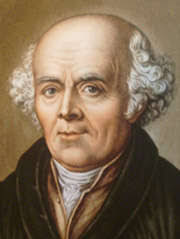

Cross Repertorisation

Lost your password? Please enter your email address. You will receive a link and will create a new password via email.
Please briefly explain why you feel this question should be reported.
Please briefly explain why you feel this answer should be reported.
Please briefly explain why you feel this user should be reported.
Cross Repertorisation in Homoeopathic Repertory: Traditional Concepts from Historical Texts and Computerized Analytical Approaches Abstract Cross repertorisation represents a sophisticated methodology within homoeopathic practice that involves the consultation of multiple repertories to enhance theRead more
Cross Repertorisation in Homoeopathic Repertory: Traditional Concepts from Historical Texts and Computerized Analytical Approaches
Abstract
Cross repertorisation represents a sophisticated methodology within homoeopathic practice that involves the consultation of multiple repertories to enhance the accuracy of remedy selection and confirm the selection of the similimum [1]. This comprehensive academic review examines the historical development of homoeopathic repertories, tracing their evolution from early handwritten lexicons to modern computerized analytical systems [2]. The document explores the conceptual foundations of cross repertorisation as documented in classical texts, including the works of Samuel Hahnemann, James Tyler Kent, Cyrus Maxwell Boger, and other pioneers of homoeopathic medicine [3]. Furthermore, the review analyzes contemporary computerized repertorisation software programs, evaluating their capabilities, limitations, and integration with traditional methodologies [4]. The synthesis of historical perspectives and modern technological approaches provides practitioners and researchers with a comprehensive understanding of cross repertorisation techniques and their clinical applications [5].
Keywords: Cross repertorisation, homoeopathic repertory, computerized analysis, similimum, remedy selection, repertorisation methodology
1. Introduction
1.1 Background and Significance
The homoeopathic system of medicine, founded on the principle of “similia similibus curentur” (let like be cured by like), relies upon a meticulous process of case analysis and remedy selection [6]. At the heart of this process lies the repertory—a comprehensive index of symptoms and their associated remedies—as an indispensable tool for the homoeopathic practitioner [7]. The repertory serves as a bridge between the presenting symptoms of the patient and the vast treasury of drug provings documented in the materia medica [8]. Cross repertorisation, defined as the consultation of more than one repertory to assist in the selection of the similimum or to confirm results obtained from the use of a single repertory, has emerged as a critical methodology in contemporary homoeopathic practice [9]. This approach allows practitioners to integrate information from diverse repertorial traditions, each with its unique philosophical foundations, organizational structures, and remedy gradings, thereby enhancing the accuracy and reliability of the therapeutic decision-making process [10].
1.2 Objectives of the Review
This academic review aims to achieve the following objectives: firstly, to trace the historical evolution of homoeopathic repertories from their inception to the modern era [11]; secondly, to elaborate the conceptual foundations and methodological approaches of cross repertorisation as documented in classical homoeopathic literature [12]; thirdly, to analyze the development and current capabilities of computerized repertorisation systems [13]; and fourthly, to provide a critical synthesis of traditional and modern approaches to cross repertorisation, offering insights for both clinical practice and future research directions [14]. The review adopts a comprehensive approach, drawing upon historical texts, contemporary scholarly literature, and software documentation to present a holistic understanding of cross repertorisation within the broader context of homoeopathic methodology [15].
2. Historical Development of Homoeopathic Repertories
2.1 Genesis: Hahnemann’s Foundational Contributions
The origins of homoeopathic repertorisation can be traced to Samuel Hahnemann (1755–1843), the founder of homoeopathic medicine [16]. The earliest repertory emerged in 1805 as the second part of “Fragmenta de Viribus Medicamentorum Positivis,” wherein Hahnemann compiled a reference book consisting of 4 volumes with 4,239 pages containing organized symptoms [17]. This foundational work established the fundamental principle that symptoms must be systematically categorized and cross-referenced to facilitate remedy selection based on the law of similars [18]. Hahnemann’s “Chronic Diseases” (1828) further expanded the systematic organization of drug pathogenesis, providing additional material that would inform subsequent repertorial developments [19]. The evolution of repertories during Hahnemann’s era was characterized by a focus on precise symptom recording and the establishment of gradations to indicate the relative importance of particular remedy-symptom relationships [20].
2.2 Nineteenth Century Developments
The nineteenth century witnessed significant expansion and refinement of repertorial methodology [21]. The introduction of the therapeutic pocket book by Boenninghausen in 1832 represented a pivotal advancement, introducing the concept of organized symptom categories that could be rapidly consulted during case-taking [22]. Boenninghausen’s “Repertory of the Antipsoric Remedies” (1833) emphasized the importance of concomitant symptoms and modal expressions, contributing philosophical and structural elements that continue to influence contemporary repertories [23]. The evolution of repertorial methodology during this period reflects the increasing sophistication of the homoeopathic profession in developing systematic approaches to case analysis [24]. Regular growth of repertory, like that of materia medica, is the true index of the progress and richness of the homoeopathic system of medicine, as noted by contemporary scholars of homoeopathic history [25].
2.3 James Tyler Kent and the Modern Repertory
James Tyler Kent (1849–1916) stands as one of the most influential figures in the development of modern homoeopathic repertories [26]. Prior to his involvement with homeopathy, Kent had practiced conventional medicine in St. Louis, and his systematic approach to medical education profoundly shaped his contribution to repertorial methodology [27]. Kent’s “Repertory of the Homoeopathic Materia Medica,” first published in 1897, represented a comprehensive synthesis of previous repertorial works, incorporating material from Gentry and Lippe’s repertory along with additional clinical observations [28]. The Kentian repertory introduced a hierarchical organization moving from Mind to Generals, establishing the conceptual framework that would dominate homoeopathic practice for generations [29]. Dr. Lee completed the chapters on Mind and Head directly, contributing to the meticulous attention given to psychological and neurological symptoms in this compilation [30].
Kent’s approach emphasized the primacy of mental and general symptoms in remedy selection, establishing a philosophical foundation that continues to guide contemporary practice [31]. His repertory’s structure reflects a hierarchical arrangement wherein symptoms are organized according to anatomical regions and functional systems, with remedies graded according to their symptomatic relationships [32]. The grading system, employing Roman numerals and lowercase letters, indicates the relative frequency and importance of remedy-symptom associations based on provings and clinical observations [33]. Kent’s Lectures on Homoeopathic Philosophy (1900) further elaborated the theoretical underpinnings of repertorisation, emphasizing the importance of individualization and the totality of symptoms in remedy selection [34].
2.4 Boenninghausen and Boger: Alternative Methodological Approaches
The contributions of Boenninghausen and Boger represent distinct methodological traditions within homoeopathic repertorisation [35]. Boenninghausen’s approach emphasized the therapeutic pocket book format, focusing on the systematic organization of symptoms with particular attention to modalities and concomitants [36]. His method of case analysis, known as the Boenninghausen approach, prioritizes the characteristic particulars of symptoms over the general rubrics, offering an alternative to the Kentian emphasis on mental symptoms [37]. Cyrus Maxwell Boger (1861–1945) synthesized elements from multiple repertorial traditions, creating the Boger Boenninghausen Repertory and developing the concept of “completing symptoms”—those rare, strange, and peculiar expressions that prove particularly significant in remedy differentiation [38].
Boger developed a sophisticated approach to cross repertorisation, recognizing that different repertories might emphasize different aspects of the symptomatic picture [39]. His work on the “General Analysis” and “Synthesized Rubrics” demonstrated an early recognition of the value of integrating multiple repertorial perspectives in clinical decision-making [40]. The Synthesis Repertory, known for its comprehensive integration of rubrics and expanded coverage, is often contrasted with the Boericke repertory, representing different philosophical and organizational approaches to symptom classification [41]. The introduction of synthetic repertories in 1973 by Barthel and Will Klunker greatly influenced homeopathic practice by providing a more integrated approach to symptom organization [42].
3. Conceptual Foundations of Cross Repertorisation
3.1 Definition and Fundamental Principles
Cross repertorisation is defined as the systematic consultation of more than one homoeopathic repertory during the process of case analysis to facilitate or confirm the selection of the similimum [43]. This methodology acknowledges that different repertories may present symptoms differently, employ varying grading systems, and incorporate distinct philosophical perspectives on symptom hierarchy and remedy relationships [44]. The fundamental premise underlying cross repertorisation is that the integration of multiple perspectives enhances the reliability and validity of the therapeutic decision, reducing the potential for error inherent in any single repertorial approach [45].
The philosophical basis for cross repertorisation derives from the recognition that homoeopathic repertories are human constructions, reflecting the interpretations, experiences, and biases of their compilers [46]. As noted in scholarly literature, the conceptual-functional correlation between classical repertory use in homoeopathy and evidence-based decision tools in personalized medicine suggests that repertorial analysis can be understood as an evidence-based activity when the process is carried out correctly [47]. Cross repertorisation represents an attempt to triangulate evidence from multiple sources, thereby strengthening the evidential basis for remedy selection [48].
3.2 Indications for Cross Repertorisation
The application of cross repertorisation is indicated in several clinical scenarios [49]. When results from a single repertory prove ambiguous or when the leading remedies do not appear well-indicated based on the totality of symptoms, consultation of additional repertories may clarify the symptomatic picture [50]. Cross repertorisation is particularly valuable in complex cases where symptoms span multiple body systems or when rare and peculiar symptoms require corroboration across different sources [51]. Furthermore, when a practitioner is uncertain about the appropriate hierarchical weighting of symptoms, cross repertorisation can provide additional guidance by revealing which remedies consistently appear across multiple repertories for the identified symptom complexes [52].
The methodology is also valuable in educational contexts, allowing students and practitioners to understand the similarities and differences between repertorial approaches while developing clinical judgment [53]. Comparative repertorisation facilitates the identification of characteristic rubrics that appear consistently across multiple sources, supporting the development of clinical reasoning skills [54]. Cross repertorisation is valued in homeopathy because it allows practitioners to integrate information from multiple repertories, enhancing the accuracy of clinical decision-making [55].
3.3 Methodological Approaches
The execution of cross repertorisation involves several methodological approaches [56]. The most straightforward approach involves manual consultation of multiple repertories, wherein the practitioner identifies relevant rubrics in one source and then cross-references these rubrics in alternative repertories to assess the consistency of remedy indications [57]. This process requires familiarity with the organizational structure and terminology of each repertory consulted, as rubrics may be phrased differently across sources despite referring to similar symptom expressions [58].
A more systematic approach involves the construction of cross-repertorial grids, wherein remedy scores from different repertories are tabulated and compared [59]. This method allows for the visual identification of remedies that appear consistently across multiple sources, as well as the detection of discrepancies that may warrant further investigation [60]. Some practitioners employ weighted averaging approaches, wherein remedy scores are weighted according to the reliability and comprehensiveness of the source repertory [61]. The conversion of symptoms into defined rubrics across different repertories requires careful attention to terminology and conceptual alignment, as differences in rubric phrasing may obscure underlying symptomatic correspondences [62].
4. Traditional Approaches: Insights from Historical Texts
4.1 The Classical Art of Repertorisation
Classical approaches to repertorisation, as documented in historical texts, emphasize the importance of careful case-taking and the identification of characteristic symptoms before consulting repertorial sources [63]. Hahnemann’s instruction in the Organon (Aphorism 84) emphasized the need for complete case-taking that captures the totality of the patient’s expression, including mental symptoms, generals, particulars, and the modifying circumstances that give each symptom its individual character [64]. The traditional approach views repertorisation not as a mechanical calculation but as an art requiring clinical judgment and homoeopathic philosophy [65].
The nineteenth-century texts describe a methodical process wherein the practitioner first organizes the case according to the hierarchy of symptoms, beginning with the mentals and proceeding through the generals and particulars [66]. Historical manuals describe the importance of “completing the symptom”—the process of identifying all available dimensions of a particular complaint, including location, sensation, modality, and concomitant circumstances [67]. This attention to symptomatic detail facilitates accurate rubrics selection and reduces the risk of inappropriate remedy recommendations [68].
4.2 The Importance of Rubric Selection
Historical texts emphasize that the quality of repertorisation depends fundamentally upon the accuracy of rubric selection [69]. Poor rubric selection—choosing rubrics that are too broad, too narrow, or imprecisely matched to the patient’s expression—represents the most common source of error in the repertorisation process [70]. Traditional teachings recommend beginning with the most characteristic symptoms of the case and working toward more general rubrics only when necessary to complete the symptomatic picture [71].
The concept of the “king symptom”—the rare, strange, and peculiar expression that stands out as unique to the patient—receives particular emphasis in classical teachings [72]. Such symptoms are considered particularly valuable in guiding remedy selection because they narrow the differential diagnosis to remedies that share this unusual characteristic [73]. Cross repertorisation of king symptoms across multiple sources can confirm their importance and guide the practitioner toward remedies that consistently appear for such expressions [74].
4.3 Integrating Multiple Repertories: Historical Precedents
Historical texts reveal that the practice of consulting multiple repertories predates the modern understanding of cross repertorisation [75]. Boger, in particular, demonstrated an integrative approach, drawing upon Boenninghausen, Kent, and his own clinical experience to develop a synthesized understanding of remedy relationships [76]. This development foreshadowed contemporary approaches to cross repertorisation by demonstrating that integration of diverse sources could yield a more comprehensive understanding of remedy-symptom relationships [77]. Traditional texts also describe the practice of “cross-referencing”—using one repertory to identify rubrics that might be located differently in another source, thereby ensuring comprehensive case coverage [78].
5. Computerized Repertorisation and Modern Analytical Approaches
5.1 Evolution of Repertory Software
The digital revolution has profoundly transformed homoeopathic practice through the development of sophisticated repertory software programs [79]. These applications have evolved from simple electronic indices to comprehensive clinical decision support systems that integrate multiple repertories, materia medica databases, and analytical tools [80]. The earliest repertory software programs in the 1980s provided basic search functionality, allowing practitioners to locate rubrics and identify associated remedies through electronic means [81]. Contemporary software represents a qualitative advancement, incorporating sophisticated algorithms, artificial intelligence, and extensive databases that support comprehensive case analysis [82].
The evolution of repertory software mirrors broader developments in information technology, with improvements in user interface design, data organization, and analytical capabilities [83]. Modern programs offer features including automatic rubric translation across multiple languages, cross-referencing between different repertories, clinical note integration, and statistical analysis of remedy rankings [84]. The development of web-based platforms has further democratized access to comprehensive repertorial resources, with free online repertories providing access to classical repertories including Kent, Boger, and Hering through standard web browsers [85].
5.2 Contemporary Software Programs
The current landscape of homoeopathic software includes numerous programs, each with distinctive features and capabilities [86]. RadarOpus has emerged as a leading software program, recognized as the only homoeopathic software to include Synthesis Repertory and maintain HIPAA/GDPR compliance [87]. The program offers comprehensive integration of multiple repertories, including Kent, Boericke, Boger, and Synthesis, along with extensive materia medica resources [88]. RadarOpus is a complete software package tailored for the professional homeopath, boasting a contemporary appearance and a user-friendly interface [89].
HomPath Zomeo represents another widely-used program, offering comprehensive functionality including repertory, materia medica, repertorisation tools, and patient management features [90]. Complete Dynamics distinguishes itself by supporting multiple operating systems, including Windows, Mac, Linux, iPhone, iPad, and Android, without requiring internet connectivity [91]. VithoulkasCompass offers a comprehensive online toolbox organized to support effective practice and help elevate the success rate of any homeopath, from beginner to advanced practitioner [92]. Similia software platform offers free access to Kent, Boericke, and Boenninghausen repertories, combined with AI-powered symptom analysis, materia medica resources, and case management capabilities [93]. Synergy Homeopathic Software, designed by and for homeopaths, provides an indispensable tool for students and practitioners with intuitive interface design and powerful analytical capabilities [94]. HomeoQuest offers an elaborate remedy database combined with case management features, serving practitioners seeking comprehensive clinical tools [95].
5.3 Algorithmic Approaches to Repertorisation
Modern software programs employ various algorithmic approaches to analyze case data and generate remedy recommendations [96]. The most common approach involves the calculation of weighted scores based on the grades assigned to remedy-symptom associations in the underlying repertorial database [97]. Sophisticated programs may incorporate Bayesian probability models that estimate the likelihood of remedy efficacy based on the correspondence between patient symptoms and remedy profiles [98]. Other approaches include fuzzy logic systems that handle the inherent uncertainties in symptom-rubric matching and artificial neural networks that learn patterns from historical case data [99].
The application of artificial intelligence to repertorisation has generated considerable interest and debate within the homoeopathic community [100]. Recent proposals for “Materiazation or Materiomics” approaches suggest new methods leveraging computational techniques to address the limitations of traditional repertorisation [101]. The development of Python-based tools for estimating the sensitivity of homeopathic repertories demonstrates the application of computational methods to traditional repertorial analysis, extracting rubrics, identifying non-representing rubrics, and generating rubric combinations based on specified criteria [102].
5.4 Cross Repertorisation in Software Environment
Contemporary software programs facilitate cross repertorisation through various technical features [103]. Multi-repertory search functions allow practitioners to simultaneously query multiple databases, identifying rubrics across different sources and comparing remedy indications [104]. Integration features enable the construction of cross-repertorial grids within the software environment, displaying remedy scores from different sources in a unified format [105]. Some programs offer automatic cross-referencing, suggesting rubrics in alternative repertories based on the user’s selection in one source [106].
The software facilitates the comparison of different grading systems, allowing practitioners to understand how remedy grades vary across sources and to weight these differences appropriately in their analysis [107]. Advanced programs incorporate clinical verification features, indicating which remedy-symptom associations have been validated through clinical experience or adverse drug reaction reporting [108]. The integration of materia medica references allows practitioners to verify repertorial rubrics against original proving data and clinical observations [109].
6. Comparative Analysis: Traditional Versus Computerized Approaches
6.1 Methodological Considerations
The comparison between traditional and computerized approaches to cross repertorisation reveals both complementary strengths and distinctive limitations [110]. Traditional manual approaches require practitioners to develop deep familiarity with the structure and content of multiple repertories, fostering clinical insight and judgment [111]. The manual process encourages careful attention to symptom detail and promotes the development of therapeutic intuition through repeated practice [112]. However, manual cross repertorisation is time-consuming and may be impractical in busy clinical settings [113].
Computerized approaches offer efficiency and comprehensiveness, allowing practitioners to process complex cases rapidly and to access multiple repertories simultaneously [114]. Software programs can handle larger numbers of rubrics than practical manual analysis, enabling the processing of cases with extensive symptomatic expression [115]. However, computerized approaches may encourage over-reliance on algorithmic outputs and reduce opportunities for the development of clinical intuition [116]. The quality of computerized analysis depends heavily upon the accuracy and comprehensiveness of the underlying database, which may not fully capture the nuances of traditional repertorial knowledge [117].
6.2 Reliability and Validity Considerations
Questions of reliability and validity arise in discussions of both traditional and computerized repertorisation [118]. Traditional approaches may be subject to inter-practitioner variability, as different clinicians may select different rubrics for the same symptom expression [119]. Computerized approaches offer greater consistency in rubric selection, as the software applies standardized algorithms to the input data [120]. However, this consistency does not necessarily equate to validity—the standardized rubric selection in software may not capture the individualizing features that distinguish the homoeopathic approach [121].
Research into the statistical analysis of repertory rubrics has employed Bayesian theory to validate some rubrics of the homeopathic repertory through prospective assessment [122]. These studies have evaluated physical general rubrics from Kent’s repertory, including “chilly,” “hot,” “ambithermal,” and various desire/aversion expressions [123]. The prospective evaluation of these rubrics provides empirical evidence regarding their clinical utility, contributing to the ongoing process of repertorial validation [124]. Such research remains limited, however, and the majority of repertorial rubrics continue to be validated primarily through clinical experience and traditional usage patterns [125].
6.3 Integration of Approaches
The most effective contemporary practice integrates traditional and computerized approaches, leveraging the strengths of each while mitigating their respective limitations [126]. Practitioners may use software for initial case processing and cross-repertorial comparison, while applying traditional clinical judgment to interpret and weight the computational results [127]. This integrated approach recognizes that repertorisation ultimately serves the clinical decision-making process, which requires both systematic analysis and intuitive understanding [128].
The integration of Organon of Medicine with homoeopathic repertory demonstrates the importance of maintaining philosophical grounding in the application of computational tools [129]. Effective practice requires the integration of systematic repertorial analysis with the principles of homoeopathic philosophy, including individualization, attention to the totality of symptoms, and the identification of characteristic expressions [130]. Software tools should be understood as aids to clinical judgment rather than replacements for therapeutic decision-making [131].
7. Clinical Applications and Case Studies
7.1 Applications in Complex Case Management
Cross repertorisation proves particularly valuable in complex cases where symptoms span multiple body systems or when initial repertorisation yields ambiguous results [132]. In such cases, consultation of multiple repertories can reveal remedy indications that might be overlooked in a single-source analysis [133]. Studies on the role of homoeopathic repertories in the process of individualization have examined repertorization methods and their importance in arriving at the similimum, recognizing that effective individualization requires comprehensive case analysis supported by systematic repertorial consultation [134].
A review on repertorization as a tool for individualized homoeopathic treatment in rheumatoid arthritis provides insights into the current state of repertorization in homoeopathic treatment for chronic conditions [135]. The evaluation of chapter constitution rubrics through cross repertorisation using BBCR (Boericke, Boger, Clarke, and Radar Synthesis), Murphy, and Knerr repertories demonstrates the practical application of multi-repertorial analysis in clinical research [136].
7.2 Educational Value
Cross repertorisation serves important educational functions, allowing students to understand the relationships between different repertorial systems and to appreciate the philosophical foundations underlying each approach [137]. By comparing how different repertories organize and grade the same symptom complex, students develop a deeper understanding of both the similarities and differences between homoeopathic approaches [138]. The educational value of cross repertorisation extends to clinical reasoning development, as students learn to weight and interpret evidence from multiple sources [139].
Clinical teaching programs increasingly incorporate cross repertorisation exercises to develop students’ analytical skills and familiarity with multiple repertorial systems [140]. The comparison of Kent’s repertory with Boenninghausen and Boger approaches demonstrates how different philosophical perspectives influence symptomatic organization and remedy grading [141]. Such comparative exercises prepare students for the diversity of approaches they will encounter in professional practice [142].
8. Challenges and Future Directions
8.1 Current Challenges
Several challenges face the contemporary practice of cross repertorisation [143]. The proliferation of repertories, both classical and synthetic, creates complexity for practitioners seeking to integrate multiple sources [144]. Each repertory represents a distinct perspective on symptom organization and remedy grading, and the principles for integrating these perspectives remain incompletely developed [145]. The translation of rubrics across different languages and the adaptation of classical concepts to modern contexts present additional challenges for international practice [146].
The validation of repertorial rubrics remains an ongoing concern, with limited empirical evidence regarding the clinical reliability of many traditional entries [147]. While prospective evaluation studies have validated certain rubrics, the majority of repertorial content continues to rest on traditional authority and clinical observation rather than systematic empirical validation [148]. The development of standardized methodologies for repertorial validation represents an important direction for future research [149].
8.2 Technological Developments
Future developments in computerized repertorisation are likely to incorporate advances in artificial intelligence and machine learning [150]. The application of deep learning techniques to repertorial databases may enable the identification of patterns and relationships not apparent through traditional analysis [151]. Natural language processing technologies may facilitate more intuitive case entry, allowing practitioners to describe symptoms in natural language while the software identifies relevant rubrics across multiple sources [152].
The integration of repertorisation with broader clinical decision support systems promises enhanced capabilities for practice management and outcome tracking [153]. Software that links repertorial analysis to patient outcomes could provide continuous feedback on the accuracy of remedy selection, supporting ongoing validation and refinement of repertorial content [154]. The development of interoperable databases that enable the sharing of clinical experiences and repertorial insights across the global homoeopathic community represents a promising direction for collaborative knowledge development [155].
8.3 Research Priorities
Future research should prioritize several areas to advance the science and practice of cross repertorisation [156]. Empirical validation studies employing rigorous methodological designs are needed to establish the clinical reliability of repertorial rubrics [157]. Comparative effectiveness research examining outcomes associated with different repertorisation approaches would inform best practices for clinical application [158]. The development of standardized protocols for cross repertorisation would enhance the consistency and reproducibility of the methodology across different practitioners and settings [159].
Research into the epistemological foundations of repertorisation could clarify the theoretical basis for the methodology and inform its appropriate application [160]. Studies examining the relationship between computational and intuitive approaches to case analysis may identify optimal strategies for integrating algorithmic assistance with clinical judgment [161]. International collaborative research could address questions of cultural adaptation and linguistic translation in the application of classical repertories to diverse populations [162].
9. Conclusion
Cross repertorisation represents a sophisticated methodology that integrates traditional homoeopathic principles with contemporary analytical approaches [163]. The historical development of homoeopathic repertories, from Hahnemann’s foundational work through Kent’s comprehensive synthesis to modern computational tools, reflects the ongoing evolution of the discipline’s approach to systematic case analysis [164]. The conceptual foundations of cross repertorisation, emphasizing the integration of multiple perspectives to enhance therapeutic decision-making, remain rooted in classical homoeopathic philosophy while benefiting from modern technological capabilities [165].
Traditional approaches to cross repertorisation, documented in historical texts, emphasize the importance of careful case-taking, accurate rubric selection, and the integration of clinical judgment with systematic analysis [166]. The methodological rigor required for effective manual cross repertorisation develops clinical skills that remain valuable even in software-assisted practice [167]. Computerized approaches offer efficiency, comprehensiveness, and consistency, while presenting challenges related to the validation of underlying databases and the potential for over-reliance on algorithmic outputs [168].
The integration of traditional and computerized approaches, informed by ongoing research and technological development, represents the most promising direction for the future of cross repertorisation [169]. As the homoeopathic profession continues to develop standardized methodologies for repertorial validation and clinical application, cross repertorisation will remain a cornerstone of homoeopathic practice—bridging historical wisdom and contemporary innovation in the service of effective, individualized healing [170].
References
1. Wakade S, Anita. Evaluating the impact of cross repertorisation through BBCR, Murphy and Knerr repertory to investigate the utility of chapter constitution. *Global Journal for Research Analysis*. 2021 May. Available from: https://www.worldwidejournals.com/global-journal-for-research-analysis-GJRA/recent_issues_pdf/2021/May/evaluating-the-impact-of-cross-repertorisation-through-bbcr-murphy-and-knerr-repertory-to-investigate-the-utility-of-chapter-constitution_May_2021_0621186429_8411575.pdf
2. Chronological Development of Homoeopathy Repertory. *Homeobook*. Available from: https://www.homeobook.com/chronological-development-of-homoeopathy-repertory/
3. Kent JT. Lectures on Homoeopathic Philosophy. 1900. Reprint. Delhi: B. Jain Publishers.
4. The Top 5 Homeopathic Software Programs in 2025 – RadarOpus. Available from: https://www.radaropus.us/the-top-5-homeopathic-software-programs-in-2025/
5. Kishore J. Evolution of Homoeopathic Repertories and Repertorisation. New Delhi: B. Jain Publishers; 1998. 440 p.
6. Hahnemann S. Organon of Medicine. 6th ed. 1921. Reprint. New Delhi: B. Jain Publishers.
7. Kent JT. Repertory of the Homoeopathic Materia Medica. 1897. Reprint. New Delhi: B. Jain Publishers.
8. The Role of Homoeopathic Repertories in the Process of Individualization. *International Journal of Innovation and Research*. IJIRT173004. Available from: https://ijirt.org/publishedpaper/IJIRT173004_PAPER.pdf
9. Terminology and Cross-Repertorization. *SlideShare*. Available from: https://www.slideshare.net/slideshow/terminology-and-cross-repertorization/273294975
10. Homeopathic Constitution and Repertorisation. *Scribd*. Available from: https://www.scribd.com/document/678079620/evaluating-the-impact-of-cross-repertorisation-through-bbcr-murphy-and-knerr-repertory-to-investigate-the-utility-of-chapter-constitution
11. Evolution of Repertory History. *Scribd*. Available from: https://www.scribd.com/document/781490474/repertory-work-02-03
12. Medium of Repertorisation. *Homeobook*. Available from: https://www.homeobook.com/medium-of-repertorisation/
13. An Overview of Repertory Software Tools for Clinical Repertorisation. *Schwabe India*. Available from: https://www.schwabeindia.com/wp-content/uploads/2025/11/An-Overview-of-Repertory-Software-Tools-for-Clinical.pdf
14. A Comparative Study of Homeopathic Repertories and Their Clinical Applications. *African Journal of Biomedical Research*. Available from: https://africanjournalofbiomedicalresearch.com/index.php/AJBR/article/download/2520/4882/11863
15. Historical and Critical Study of Evolution of Repertory in Homoeopathic Practice. *Homeobook*. Available from: https://www.homeobook.com/historical-and-critical-study-of-evolution-of-repertory-in-homoeopathic-practice/
16. Hahnemann S. Fragmenta de Viribus Medicamentorum Positivis. 1805.
17. Chronological Development of Homoeopathy Repertory. *Homeobook* [Internet]. Available from: https://www.homeobook.com/chronological-development-of-homoeopathy-repertory/
18. Hahnemann S. Organon of Medicine [Internet]. 6th ed. 1921.
19. Hahnemann S. The Chronic Diseases. 1828.
20. Evolution of Repertories. *Homeopathy 360* [Internet]. Available from: https://www.homeopathy360.com/evolution-of-repertories/
21. Tracing the History and Evolution of Repertory. *SlideShare*. Available from: https://www.slideshare.net/slideshow/tracing-the-history-and-evolution-of-repertory/276589032
22. Boenninghausen CM. Therapeutic Pocket Book. 1832.
23. Boenninghausen CM. Repertory of the Antipsoric Remedies. 1833.
24. The Rough Guide to the History and Development of the Repertory. *Miccant* [Internet]. Available from: https://www.miccant.com/roughguide.html
25. Evolution of Repertories & Repertorization. *Homeopathy 360* [Internet].
26. James Tyler Kent. *Hpathy.com* [Internet]. Available from: https://hpathy.com/author/james-tyler-kent/
27. The Life And Legacy Of James Tyler Kent: A Giant In Homeopathy. *Homeopathy Canada* [Internet]. Available from: https://homeopathycanada.com/the-life-and-legacy-of-james-tyler-kent-a-giant-in-homeopathy/
28. Kent JT. Repertory of the Homoeopathic Materia Medica. 1897.
29. Dr J T Kent and Kent’s Repertory – A detailed study. *Homeobook* [Internet]. Available from: https://www.homeobook.com/dr-j-t-kent-and-kents-repertory-a-detailed-study/
30. Dr J T Kent and Kent’s Repertory – A detailed study. *Homeobook* [Internet].
31. A Homoeopathic Lens on Anatomy; Using Kent’s Repertory for Deeper Understanding. *Homeopathy 360* [Internet]. Available from: https://www.homeopathy360.com/a-homoeopathic-lens-on-anatomy-using-kents-repertory-for-deeper-understanding-2/
32. Kent’s Repertory Online Free 2026 — Structure, How-To & Search. *Similia* [Internet]. Available from: https://www.similia.io/en/blog/kent-repertory-guide-structure-online
33. Anatomy of Kent’s repertory. *ScienceDirect* [Internet]. doi:10.1016/S1878-7649(17)30066-0
34. Kent JT. Lectures on Homoeopathic Philosophy. 1900.
35. Evolution of Homoeopathic Repertories and Repertorisation [Internet]. Academia. Available from: https://www.academia.edu/48647137/Evolution_of_Homoeopathic_Repertories_and_Repertorisation
36. Boenninghausen CM. Therapeutic Pocket Book. 1832.
37. Methods and Techniques of Repertorisation. Karnataka Public Service Commission [Internet]. Available from: https://kpsc.kar.nic.in/Asst%20prof%20Repertory%20homeopathy.pdf
38. Boger CM. Boenninghausen Repertory and General Analysis.
39. Boger CM. Studies in the Philosophy of Healing.
40. Boger CM. General Analysis and Synthesized Rubrics.
41. A Comparative Study of Homeopathic Repertories and Their Clinical Applications. *African Journal of Biomedical Research* [Internet].
42. Evolution of Repertory History. *Scribd* [Internet].
43. Terminology and Cross-Repertorization. *SlideShare* [Internet].
44. Medium of Repertorisation. *Homeobook* [Internet].
45. Cross Repertorization Archives. *homeopathy360* [Internet]. Available from: https://www.homeopathy360.com/tag/cross-repertorization/
46. Conceptual–Functional Correlation Between Classical Repertory Use in Homoeopathy and Evidence-Based Decision Tools in Personalised Medicine. *Hpathy.com* [Internet]. Available from: https://hpathy.com/homeopathy-papers/conceptual-functional-correlation-between-classical-repertory-use-in-homoeopathy-and-evidence-based-decision-tools-in-personalised-medicine/
47. Ahmed M. Conceptual–Functional Correlation Between Classical Repertory Use in Homoeopathy [Internet].
48. Homeopathic Constitution and Repertorisation. *Scribd* [Internet].
49. Practical Technique for Repertorization. *The Homoeopathy* [Internet]. Available from: https://www.thehomoeopathy.com/uploads/publications/publication_1328621059.pdf
50. Medium of Repertorisation. *Homeobook* [Internet].
51. The Role of Homoeopathic Repertories in the Process of Individualization. *IJIRT* [Internet].
52. Terminology and Cross-Repertorization. *SlideShare* [Internet].
53. Methods and Techniques of Repertorisation. Karnataka PSC [Internet].
54. Practical Technique for Repertorization. *The Homoeopathy* [Internet].
55. Homeopathic Constitution and Repertorisation. *Scribd* [Internet].
56. Terminology and Cross-Repertorization. *SlideShare* [Internet].
57. Medium of Repertorisation. *Homeobook* [Internet].
58. Methods and Techniques of Repertorisation. Karnataka PSC [Internet].
59. Practical Technique for Repertorization. *The Homoeopathy* [Internet].
60. Terminology and Cross-Repertorization. *SlideShare* [Internet].
61. Medium of Repertorisation. *Homeobook* [Internet].
62. Terminology and Cross-Repertorization. *SlideShare* [Internet].
63. Hahnemann S. Organon of Medicine. 6th ed.
64. Hahnemann S. Organon of Medicine. 6th ed.
65. Kent JT. Lectures on Homoeopathic Philosophy. 1900.
66. Methods and Techniques of Repertorisation. Karnataka PSC [Internet].
67. Practical Technique for Repertorization. *The Homoeopathy* [Internet].
68. Terminology and Cross-Repertorization. *SlideShare* [Internet].
69. Methods and Techniques of Repertorisation. Karnataka PSC [Internet].
70. Practical Technique for Repertorization. *The Homoeopathy* [Internet].
71. Terminology and Cross-Repertorization. *SlideShare* [Internet].
72. Kent JT. Lectures on Homoeopathic Philosophy. 1900.
73. Methods and Techniques of Repertorisation. Karnataka PSC [Internet].
74. Terminology and Cross-Repertorization. *SlideShare* [Internet].
75. Evolution of Homoeopathic Repertories and Repertorisation. *Academia* [Internet].
76. Kishore J. Evolution of Homoeopathic Repertories and Repertorisation. 1998.
77. Terminology and Cross-Repertorization. *SlideShare* [Internet].
78. Medium of Repertorisation. *Homeobook* [Internet].
79. The Top 5 Homeopathic Software Programs in 2025. *RadarOpus* [Internet].
80. An Overview of Repertory Software Tools for Clinical Repertorisation. *Schwabe India* [Internet].
81. Historical and Critical Study of Evolution of Repertory. *Homeobook* [Internet].
82. A New Approach to Repertorization leveraging Artificial Intelligence. *Hpathy.com* [Internet]. Available from: https://hpathy.com/homeopathy-repertory/a-new-approach-to-repertorization-leveraging-artificial-intelligence-materiazation-or-materiomics/
83. The Top 5 Homeopathic Software Programs in 2025. *RadarOpus* [Internet].
84. An Overview of Repertory Software Tools for Clinical Repertorisation. *Schwabe India* [Internet].
85. OOREP – open online homeopathic repertory [Internet]. Available from: https://www.oorep.com/
86. The Top 5 Homeopathic Software Programs in 2025. *RadarOpus* [Internet].
87. RadarOpus: Homeopathy Software Online [Internet]. Available from: https://www.radaropus.com/
88. RadarOpus. The Top 5 Homeopathic Software Programs in 2025 [Internet].
89. RadarOpus. *RadarOpus* [Internet].
90. HomPath Zomeo [Internet]. Available from: https://hompath.com/
91. Complete Dynamics [Internet]. Available from: https://www.completedynamics.com/
92. VithoulkasCompass.com [Internet]. Available from: https://www.vithoulkascompass.com/
93. Similia [Internet]. Available from: https://www.similia.io/en
94. Synergy Homeopathic [Internet]. Available from: https://www.synergyhomeopathic.com/
95. Top 8 Homeopathy Repertory Software in 2026. *Techjockey* [Internet]. Available from: https://www.techjockey.com/blog/homeopathic-repertory-software
96. A New Approach to Repertorization leveraging Artificial Intelligence. *Hpathy.com* [Internet].
97. An Overview of Repertory Software Tools for Clinical Repertorisation. *Schwabe India* [Internet].
98. Statistical analysis of six repertory rubrics after prospective assessment. *Homeopathy*. 2009;98(1):6-10.
99. A New Approach to Repertorization leveraging Artificial Intelligence. *Hpathy.com* [Internet].
100. A New Approach to Repertorization leveraging Artificial Intelligence. *Hpathy.com* [Internet].
101. A New Approach to Repertorization leveraging Artificial Intelligence. *Hpathy.com* [Internet].
102. Estimating the sensitivity of homeopathic repertories using a Python application. *International Journal of High Dilution Research* [Internet]. Available from: https://www.highdilution.org/index.php/ijhdr/article/view/1635
103. An Overview of Repertory Software Tools for Clinical Repertorisation. *Schwabe India* [Internet].
104. RadarOpus [Internet].
105. HomPath Zomeo [Internet].
106. Complete Dynamics [Internet].
107. RadarOpus [Internet].
108. An Overview of Repertory Software Tools for Clinical Repertorisation. *Schwabe India* [Internet].
109. RadarOpus [Internet].
110. Conceptual–Functional Correlation Between Classical Repertory Use. *Hpathy.com* [Internet].
111. Methods and Techniques of Repertorisation. Karnataka PSC [Internet].
112. Kent JT. Lectures on Homoeopathic Philosophy. 1900.
113. Practical Technique for Repertorization. *The Homoeopathy* [Internet].
114. An Overview of Repertory Software Tools for Clinical Repertorisation. *Schwabe India* [Internet].
115. The Top 5 Homeopathic Software Programs in 2025. *RadarOpus* [Internet].
116. Conceptual–Functional Correlation Between Classical Repertory Use. *Hpathy.com* [Internet].
117. An Overview of Repertory Software Tools for Clinical Repertorisation. *Schwabe India* [Internet].
118. Statistical analysis of six repertory rubrics. *Homeopathy*. 2009;98(1):6-10.
119. Prospective Evaluation of Few Homeopathic Rubrics of Kent’s Repertory. *Journal of Evidence-Based Complementary & Alternative Medicine*. 2015.
120. An Overview of Repertory Software Tools for Clinical Repertorisation. *Schwabe India* [Internet].
121. Conceptual–Functional Correlation Between Classical Repertory Use. *Hpathy.com* [Internet].
122. Statistical analysis of six repertory rubrics. *Homeopathy*. 2009;98(1):6-10.
123. Prospective Evaluation of Few Homeopathic Rubrics of Kent’s Repertory. *Journal of Evidence-Based Complementary & Alternative Medicine*. 2015.
124. Statistical analysis of six repertory rubrics. *Homeopathy*. 2009;98(1):6-10.
125. Prospective Evaluation of Few Homeopathic Rubrics of Kent’s Repertory. *Journal of Evidence-Based Complementary & Alternative Medicine*. 2015.
126. Integrating Organon of Medicine with Homoeopathic Repertory. *Annals of Homoeopathy* [Internet]. Available from: https://acspublisher.com/journals/index.php/hfa/article/view/24322
127. Conceptual–Functional Correlation Between Classical Repertory Use. *Hpathy.com* [Internet].
128. Kent JT. Lectures on Homoeopathic Philosophy. 1900.
129. Integrating Organon of Medicine with Homoeopathic Repertory. *Annals of Homoeopathy* [Internet].
130. Hahnemann S. Organon of Medicine. 6th ed.
131. Conceptual–Functional Correlation Between Classical Repertory Use. *Hpathy.com* [Internet].
132. The Role of Homoeopathic Repertories in the Process of Individualization. *IJIRT* [Internet].
133. Homeopathic Constitution and Repertorisation. *Scribd* [Internet].
134. The Role of Homoeopathic Repertories in the Process of Individualization. *IJIRT* [Internet].
135. A Review on Repertorization as a Tool for Individualized Homoeopathic Treatment in Rheumatoid Arthritis. *ResearchGate* [Internet]. Available from: https://www.researchgate.net/publication/393167788
136. Wakade S. Evaluating the impact of cross repertorisation. 2021 [Internet].
137. Methods and Techniques of Repertorisation. Karnataka PSC [Internet].
138. Evolution of Homoeopathic Repertories and Repertorisation. *Academia* [Internet].
139. Kent JT. Lectures on Homoeopathic Philosophy. 1900.
140. Methods and Techniques of Repertorisation. Karnataka PSC [Internet].
141. Kishore J. Evolution of Homoeopathic Repertories and Repertorisation. 1998.
142. Evolution of Homoeopathic Repertories and Repertorisation. *Academia* [Internet].
143. An Overview of Repertory Software Tools for Clinical Repertorisation. *Schwabe India* [Internet].
144. Terminology and Cross-Repertorization. *SlideShare* [Internet].
145. Medium of Repertorisation. *Homeobook* [Internet].
146. Terminology and Cross-Repertorization. *SlideShare* [Internet].
147. Prospective Evaluation of Few Homeopathic Rubrics of Kent’s Repertory. *Journal of Evidence-Based Complementary & Alternative Medicine*. 2015.
148. Statistical analysis of six repertory rubrics. *Homeopathy*. 2009;98(1):6-10.
149. Prospective Evaluation of Few Homeopathic Rubrics of Kent’s Repertory. *Journal of Evidence-Based Complementary & Alternative Medicine*. 2015.
150. A New Approach to Repertorization leveraging Artificial Intelligence. *Hpathy.com* [Internet].
151. Estimating the sensitivity of homeopathic repertories. *International Journal of High Dilution Research* [Internet].
152. A New Approach to Repertorization leveraging Artificial Intelligence. *Hpathy.com* [Internet].
153. The Top 5 Homeopathic Software Programs in 2025. *RadarOpus* [Internet].
154. An Overview of Repertory Software Tools for Clinical Repertorisation. *Schwabe India* [Internet].
155. OOREP – open online homeopathic repertory [Internet].
156. Statistical analysis of six repertory rubrics. *Homeopathy*. 2009;98(1):6-10.
157. Prospective Evaluation of Few Homeopathic Rubrics of Kent’s Repertory. *Journal of Evidence-Based Complementary & Alternative Medicine*. 2015.
158. A Review on Repertorization in Rheumatoid Arthritis. *ResearchGate* [Internet].
159. Prospective Evaluation of Few Homeopathic Rubrics of Kent’s Repertory. *Journal of Evidence-Based Complementary & Alternative Medicine*. 2015.
160. Conceptual–Functional Correlation Between Classical Repertory Use. *Hpathy.com* [Internet].
161. A New Approach to Repertorization leveraging Artificial Intelligence. *Hpathy.com* [Internet].
162. Terminology and Cross-Repertorization. *SlideShare* [Internet].
163. Kishore J. Evolution of Homoeopathic Repertories and Repertorisation. 1998.
164. Chronological Development of Homoeopathy Repertory. *Homeobook* [Internet].
165. Kent JT. Lectures on Homoeopathic Philosophy. 1900.
166. Methods and Techniques of Repertorisation. Karnataka PSC [Internet].
167. Kent JT. Lectures on Homoeopathic Philosophy. 1900.
168. An Overview of Repertory Software Tools for Clinical Repertorisation. *Schwabe India* [Internet].
169. Integrating Organon of Medicine with Homoeopathic Repertory. *Annals of Homoeopathy* [Internet].
170. Kishore J. Evolution of Homoeopathic Repertories and Repertorisation. 1998.
See less