


Below are the key reasons why meticulous case-taking is indispensable in classical homeopathy: • Understand the Whole Person – It uncovers not just the chief complaint but the patient’s mental, emotional, constitutional and lifestyle context, which homeopathy treats as an indivisible whole. • DefineRead more
Below are the key reasons why meticulous case-taking is indispensable in classical homeopathy:
• Understand the Whole Person – It uncovers not just the chief complaint but the patient’s mental, emotional, constitutional and lifestyle context, which homeopathy treats as an indivisible whole.
• Define the Totality of Symptoms – Gathering every sensation, modality and concomitant—especially the peculiar and characteristic—forms the “totality” that pinpoints the single simillimum remedy.
• Determine Disease Nature & Causation – Chronologically charting onset, mode of development, acute vs. chronic status and miasmatic background (psora, sycosis, syphilis) guides potency choice and depth of treatment.
• Guide Remedy Selection & Prognosis – A rich, organized symptom-picture enables precise repertorization, accurate remedy choice and realistic forecasting of the healing trajectory.
• Establish Systematic, Reliable Records – Legible, timely, unbiased notes (with dates, times and verbatim patient phrases) ensure continuity of care, facilitate follow-up adjustments, legal defense and future reference.
• Uncover Root Obstacles & Deep Susceptibilities – Detailed inquiry into past infections, traumas, habits and environment reveals hidden obstacles to cure and individual vulnerabilities that standard diagnostics may miss.
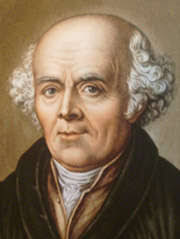
As Hahnemann stressed, the homeopath must bring “nothing but unbiasedness, healthy senses, and attentiveness in observation” to accurately record the living picture of disease that alone can be cured.
See less
In classical homeopathy, noting a patient’s constitution (their physical make-up, temperament and innate susceptibilities) and behaviour (their habitual mental–emotional reactions and life-style patterns) is indispensable when taking a case history. Here’s why: 1. Enables true individualization A reRead more
In classical homeopathy, noting a patient’s constitution (their physical make-up, temperament and innate susceptibilities) and behaviour (their habitual mental–emotional reactions and life-style patterns) is indispensable when taking a case history. Here’s why:
1. Enables true individualization
A remedy must match the patient as a whole person—body, mind and spirit—not just the disease. Observing constitutional traits (e.g. lean vs. stout build; rapid vs. slow metabolism; tendency to chill or heat) plus behavioural tendencies (anxious vs. placid temperament; social vs. withdrawn) lets you distinguish one individual’s totality from another’s.
2. Shapes the “totality of symptoms”
Constitutional and behavioural details often supply the most characteristic, peculiar rubrics in your case—those rare or striking traits (“keynotes”) that carry greatest weight in repertorization. Without them, you risk ending up with a generic prescription that won’t act as deeply or lastingly.
3. Guides remedy selection and potency
Some remedies are well-known for particular constitutional types (e.g., Pulsatilla in gentle, changeable temperaments; Calcarea carbonica in sluggish, chilly individuals). Recognizing these patterns steers you toward the small circle of likely similars and helps choose an appropriate potency and dosing frequency.
4. Reveals susceptibility and miasmatic background
Physical constitution and behavioural patterns point to deeper predispositions—psoric (hypersensitive, restless), sycotic (stubborn, secretive), or syphilitic (destructive, profound change). Identifying the dominant miasm is essential for depth of action and cure retention.
5. Predicts obstacles and prognosis
A patient’s lifestyle habits (eating, sleeping, stress-coping) and behavioural coping strategies can hinder or aid remedy action. Early recognition allows you to counsel on diet, rest, emotional outlets and other supports, making your prescription more effective and your prognosis realistic.
By carefully observing and documenting constitution and behaviour, you assemble the rich, nuanced case-picture Hahnemann deemed essential: only then can you select the one remedy most truly “like” your patient’s living totality—and achieve a lasting cure.
See less