
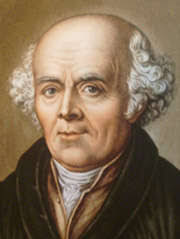


Freudian theory, also known as psychoanalytic theory, was developed by Sigmund Freud, a prominent Austrian neurologist and psychologist. It laid the foundation for modern psychology and greatly influenced the understanding of human behavior and the mind. According to Freudian theory, the human psychRead more
Freudian theory, also known as psychoanalytic theory, was developed by Sigmund Freud, a prominent Austrian neurologist and psychologist. It laid the foundation for modern psychology and greatly influenced the understanding of human behavior and the mind.
According to Freudian theory, the human psyche is divided into three main components: the id, the ego, and the superego. The id represents our innate and primal instincts, seeking immediate gratification of basic needs and desires. The ego acts as the mediator between the id and the external world, trying to find practical ways to satisfy the id’s desires within the constraints of reality. The superego represents the internalized moral and societal standards, aiming to control the id’s impulses and adhere to social norms.
Freud also introduced the concept of libido, which is the primary psychic energy and the driving force behind human motivation. Initially, Freud associated libido with sexual energy, but he later broadened its meaning to include all life instincts and creative energies, encompassing both sexual and non-sexual desires.
The development of libido is divided into five psychosexual stages, each characterized by the focus of pleasure on specific erogenous zones in the body. These stages are:
1. Oral Stage (0-18 months): Pleasure is centered around the mouth, involving activities such as sucking and biting.
2. Anal Stage (18 months-3 years): Pleasure is focused on bowel and bladder control, as children experience potty training.
3. Phallic Stage (3-6 years): The primary focus of pleasure shifts to the genital area. Children experience the Oedipus and Electra complexes, where they develop strong feelings for the opposite-sex parent and may experience jealousy or rivalry with the same-sex parent.
4. Latency Stage (6 years-puberty): Sexual desires are relatively dormant, and the focus is on developing social and intellectual skills.
5. Genital Stage (puberty onwards): The individual’s sexual interests mature, and they seek intimate relationships with others outside the family.
Freud believed that unresolved conflicts or fixations at any of these stages could lead to psychological issues in adulthood. His theories have been influential, but they have also been subject to criticism and modifications by later psychologists and researchers.
See less
During an emotion, various internal changes take place in the body, including physiological, neurological, and hormonal responses. Here are some common internal changes that occur during emotions: 1. Physiological Changes: - Increased heart rate: Emotions can lead to a rise in heart rate as the bodyRead more
During an emotion, various internal changes take place in the body, including physiological, neurological, and hormonal responses. Here are some common internal changes that occur during emotions:
1. Physiological Changes:
– Increased heart rate: Emotions can lead to a rise in heart rate as the body prepares for action or responds to arousal.
– Changes in breathing: Emotions can affect breathing patterns, causing it to become shallow, rapid, or irregular.
– Muscle tension: Emotions can result in muscle tension or relaxation, depending on the specific emotion experienced.
– Sweating: Emotions can trigger sweating as part of the body’s stress response.
2. Neurological Changes:
– Activation of the limbic system: Emotions are closely linked to the limbic system, the part of the brain responsible for processing emotions and memory.
– Amygdala response: The amygdala, a structure within the limbic system, plays a significant role in processing emotions, especially fear and anxiety.
– Neurotransmitter release: Different emotions involve the release of specific neurotransmitters, such as dopamine, serotonin, and norepinephrine, influencing mood and emotional experiences.
3. Hormonal Changes:
– Release of stress hormones: Emotions can trigger the release of stress hormones like cortisol and adrenaline, preparing the body for the “fight-or-flight” response.
– Endorphin release: Positive emotions like joy and happiness can lead to the release of endorphins, which act as natural painkillers and induce feelings of well-being.
4. Cognitive Changes:
– Attentional focus: Emotions can narrow or broaden an individual’s attention, depending on the emotional experience.
– Memory effects: Emotional experiences can influence memory consolidation, making emotionally charged events more memorable.
5. Subjective Experience:
– Emotions are accompanied by subjective feelings, such as happiness, sadness, fear, anger, etc., which are unique to each emotional state.
It’s important to note that different emotions may lead to varying combinations and degrees of these internal changes. Emotions are complex and dynamic processes that can vary based on individual differences, the context of the situation, and cultural influences.
See less