
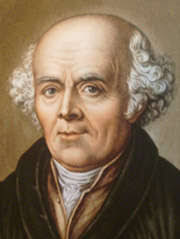


Natural Law of Cure in Homoeopathy The Natural Law of Cure is one of the fundamental principles underlying homoeopathic medicine, as formulated by Samuel Hahnemann, the founder of homeopathy. This law describes the predictable pattern by which healing occurs in the human body when treated accordingRead more
Natural Law of Cure in Homoeopathy
The Natural Law of Cure is one of the fundamental principles underlying homoeopathic medicine, as formulated by Samuel Hahnemann, the founder of homeopathy. This law describes the predictable pattern by which healing occurs in the human body when treated according to homeopathic principles.
Core Principles of the Natural Law of Cure
1. Law of Similia Similibus Curentur (Like Cures Like)
The foundational principle states that a substance that can produce symptoms in a healthy person can cure similar symptoms in a sick person.
Example:
– Allium cepa (red onion) causes watery eyes and a runny nose with a burning sensation. In homeopathy, it is used to treat hay fever and colds with similar symptoms—watery, burning nasal discharge and eyes.
– Coffea cruda (unroasted coffee) causes insomnia and nervous excitement. It is used to treat insomnia characterized by an overactive mind and racing thoughts.
2. Law of Direction of Cure (Hering’s Law)
This law describes the direction in which cure proceeds through the body. According to Constantine Hering, cure follows a predictable pattern:
1. From above downward: Symptoms move from upper to lower parts of the body (head to feet)
2. From within outward: Internal symptoms move to the surface/external
3. From vital organs to less vital: Healing begins in the most important organs
4. In reverse order of appearance: Recent symptoms resolve before older ones
Example – Eczema to Asthma:
A patient presents with asthma (internal/vital organ) along with a skin condition (external). Under proper homeopathic treatment, the asthma may worsen temporarily while the skin condition improves—the cure is progressing from the vital organ (lungs) outward to the less vital organ (skin). Once the skin is healed, treatment addresses the deeper respiratory condition.
3. The Inner Core Principle
Symptoms appearing first in the disease process are the deepest and last to be cured. The most recent symptoms are on the surface and resolve first.
Example – Arthritis Case:
A patient with long-standing arthritis also had anxiety in their twenties and digestive issues in childhood. Under homeopathic treatment:
– First to resolve: Current joint pain and swelling (most recent/surface)
– Next: Digestive complaints (middle layer, appeared after childhood)
– Last: The constitutional tendency toward anxiety (deepest, appeared earliest)
4. Law of the Single Remedy
Only one remedy should be given at a time, allowing clear observation of the healing response.
Example:
A patient with headache, insomnia, and digestive upset should receive one deeply chosen remedy that covers the entire symptom picture, rather than multiple remedies for each symptom separately.
Practical Application Examples
Example 1: Chronic Migraine Case
History:
– Migraines began at age 30 after a head injury
– Previously had eczema as a child (external)
– History of frequent throat infections in childhood
Expected Cure Pattern:
1. Current migraine symptoms improve first
2. If skin issues return (childhood eczema), this is a positive sign—cure moving from vital (head) to less vital (skin)
3. As treatment continues, the throat infection tendency may briefly surface as symptoms resolve from the inside out
4. Finally, the constitutional susceptibility addressed
Example 2: Asthma with Eczema
A child presents with asthma (vital organ involvement) and active eczema (external manifestation).
Wrong direction (suppression): Using topical steroids to clear eczema while asthma worsens—violates natural law
Correct direction (cure): With appropriate homeopathic treatment:
– Eczema may temporarily spread or intensify
– Asthma symptoms improve
– Eventually eczema clears permanently
– Total health improves
Example 3: Hepatitis Treatment
When treating chronic hepatitis homeopathically, the direction of cure often follows:
1. Liver function tests improve
2. Digestive symptoms resolve
3. Energy levels increase
4. Skin conditions may briefly appear (toxins moving outward)
5. Final resolution of deep constitutional symptoms
Why the Natural Law Matters
Understanding the Natural Law of Cure helps practitioners and patients:
1. Prognosis: Predict how treatment will progress
2. Validation: Recognize genuine healing vs. suppression
3. Expectations: Set realistic timelines for cure
4. Differentiation: Distinguish healing reactions from relapses
Healing Crisis (Homeopathic Aggravation)
Sometimes, as cure progresses according to natural law, patients experience a temporary intensification of symptoms—this is called a “homoeopathic aggravation” and is considered a positive sign that the remedy is working and cure is proceeding in the correct direction.
Example: A patient with chronic sinusitis begins homeopathic treatment. Initially, nasal discharge increases—this aggravation is followed by gradual and permanent improvement, confirming the natural law is being followed.
Conclusion
The Natural Law of Cure in homoeopathy provides a framework for understanding how genuine healing occurs—moving from vital to less vital, from within to without, and in reverse order of appearance. This principle helps distinguish true cure (following natural order) from mere symptom suppression (violating natural order).
See less
Difference Between Drugs and Medicine in Homoeopathy In homoeopathy, the terms "drug" and "medicine" carry distinct meanings that reflect the unique preparation process and philosophical underpinnings of this alternative medical system. Understanding this difference is fundamental to grasping how hoRead more
Difference Between Drugs and Medicine in Homoeopathy
In homoeopathy, the terms “drug” and “medicine” carry distinct meanings that reflect the unique preparation process and philosophical underpinnings of this alternative medical system. Understanding this difference is fundamental to grasping how homoeopathic treatment works.
Definitions in Homoeopathic Context
What is a Drug?
In homoeopathy, the term “drug” refers to the raw source material from which homoeopathic medicines are prepared. This term derives from the French word drogue, meaning a dry herb. Drugs in homoeopathy are substances obtained from natural sources or synthetic origins that serve as the starting material for remedy preparation. These include substances from the vegetable kingdom (plants), animal kingdom (animals and their products), mineral kingdom (minerals and chemicals), as well as special categories like nosodes (diseased tissue), sarcodes (healthy tissue), imponderabilia (energy-based substances), allersodes, and isodes. The drug is essentially the crude, unprocessed or minimally processed substance that possesses medicinal properties.
What is a Medicine?
A medicine and remedy in homoeopathic terminology is the final, prepared product that results from transforming a drug through a specific process called potentization. This process involves serial dilution combined with vigorous agitation (succussion) at each step. The medicine is what practitioners prescribe to patients, and it bears no detectable chemical trace of the original substance when highly diluted. The transformation through potentization is what distinguishes a mere drug from a homoeopathic medicine, imbuing the substance with what practitioners believe is enhanced therapeutic activity.
The Transformation Process: From Drug to Medicine
The critical difference between drugs and medicines in homoeopathy lies in the preparation method. Raw drug materials undergo potentization, a unique process developed by Samuel Hahnemann, the founder of homoeopathy. This process involves:
1. Dilution: The original substance is diluted repeatedly, often to extreme degrees (such as 30C, meaning 1 part substance to 10^60 parts water)
2. Succussion: Between each dilution, the solution is shaken forcefully
3. Dynamization: The resulting product is believed to become more potent as dilution increases (despite containing fewer molecules of the original substance)
A drug becomes a medicine only after undergoing this transformative process, which homoeopaths believe activates the “vital energy” or therapeutic potential of the substance.
Key Terminology in Homoeopathy
– Drug: Raw source material (plant, mineral, animal) before potentization
– Medicine: Potentized form ready for therapeutic use
– Potentization: Process of dilution and succussion that transforms a drug
– Drug Picture: Symptoms produced by a substance during provings
– Proving: Clinical test where healthy volunteers take a substance to document its effects
– Similimum: The remedy that most closely matches the patient’s total symptom picture
Sources of Homoeopathic Drugs
Homoeopathic drugs originate from diverse natural sources, which are systematically classified:
Vegetable Kingdom
Plants form a major source, including families like Solanaceae (Belladonna, Dulcamara), Ranunculaceae (Aconitum, Pulsatilla), Rubiaceae (Cinchona, Coffea), Compositae (Arnica, Calendula), and many others spanning Thallophyta, Bryophyta, Pteridophyta, Gymnosperms, and Angiosperms.
Animal Kingdom
Animal-derived drugs include Apis mellifica (honey bee), Scorpion, spider venoms, snake poisons (Lachesis, Naja, Vipera), cuttlefish juice (Sepia), and various animal milks (Lac caninum from dog, Lac felinum from cat).
Mineral Kingdom
Minerals and chemicals provide drugs like Natrum muriaticum (common salt), Calcarea carbonica (calcium carbonate), Silica, Sulphur, and various metal preparations.
Special Categories
– Nosodes: Preparations from diseased tissue (e.g., Medorrhinum)
– Sarcodes: Preparations from healthy tissue
– Imponderabilia: Substances without material form (e.g., X-ray, sunlight)
– Allersodes/Isodes: Allergen-based preparations
The Role of Provings and Drug Pictures
Before a drug becomes a medicine, it must undergo a proving—a systematic clinical investigation where healthy individuals (provers) take the substance in its crude form and document all symptoms produced. These provings establish the drug picture (or remedy profile), which catalogs the physical, mental, and emotional symptoms the substance can cause in a healthy person. This drug picture is then matched against the patient’s symptom totality to find the similimum—the most similar remedy that will stimulate healing according to the principle of “like cures like.”
Regulatory and Philosophical Considerations
In regulatory terms, homoeopathic products are classified as drugs under frameworks like the U.S. Food, Drug, and Cosmetic Act, yet they are marketed and used as medicines. The distinction reflects homoeopathy’s unique philosophy that the prepared, highly diluted remedy is more therapeutically effective than the original crude substance—a paradox that conventional pharmacology cannot explain.
Summary
The fundamental difference between drugs and medicines in homoeopathy is one of transformation and intent. A drug is the raw natural or synthetic substance with medicinal properties, while a medicine is the potentized, dynamized preparation derived from that drug through a specific process of dilution and succussion. Only after potentization does a substance become a homoeopathic medicine (remedy) suitable for prescribing according to homoeopathic principles. This distinction is central to understanding how homoeopathy approaches healing differently from conventional medicine, where drugs typically refer to pharmacologically active compounds administered for their direct physiological effects.
See less