
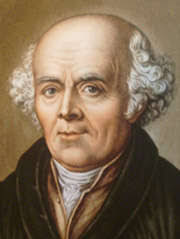


🔥 Sulphur as an Anti-Psoric Remedy: In classical homeopathy, Sulphur is revered as the "King of Anti-Psorics", a title bestowed by Samuel Hahnemann himself. It plays a central role in addressing the psoric miasm, which is considered the root of many chronic diseases. 🧬 What Is Psora? - Psora is theRead more
🔥 Sulphur as an Anti-Psoric Remedy:
In classical homeopathy, Sulphur is revered as the “King of Anti-Psorics”, a title bestowed by Samuel Hahnemann himself. It plays a central role in addressing the psoric miasm, which is considered the root of many chronic diseases.
🧬 What Is Psora?
– Psora is the oldest and most fundamental miasm, linked to suppressed skin eruptions and internalized disease.
– It manifests as functional disturbances rather than structural damage.
– Symptoms include itching, burning, dryness, fatigue, and mental restlessness.
🌋 Sulphur’s Anti-Psoric Power
Sulphur acts centrifugally—pushing disease from the inside out, especially through the skin. It’s used to:
– Unblock suppressed symptoms and restore natural healing.
– Stimulate the vital force when well-indicated remedies fail to act.
– Clear obstacles in chronic cases, especially when the case seems stuck.
🧠 Mental and Emotional Traits
– Forgetful, dreamy, and prone to philosophical thinking.
– Irritable, selfish, and often neglectful of hygiene.
– May have delusions of grandeur or religious melancholy.
– Dislikes routine and resists authority.
🩺 Physical Characteristics
– Burning sensations: eyes, skin, soles of feet, anus.
– Skin eruptions: dry, scaly, itchy, worse from warmth or washing.
– Redness of orifices: lips, ears, nostrils, anus.
– Morning diarrhea, especially around 5 a.m.
– Sinking feeling in the stomach around 11 a.m.
– Aversion to bathing, despite offensive body odors.
💊 Clinical Applications
Sulphur is indicated in:
– Chronic skin diseases: eczema, psoriasis, acne.
– Digestive issues: acidity, bloating, constipation.
– Respiratory complaints: asthma, bronchitis.
– Mental fog, depression, and fatigue.
– Post-suppression syndromes: after steroid creams or vaccinations.
🧪 Potency and Usage
– 30C for acute skin eruptions or digestive issues.
– 200C or 1M for deep constitutional treatment.
– Often used as a starter remedy in chronic cases or when progress stalls.
🧭 Remedy Relationships
– Complementary: Aconite, Psorinum, Nux vomica.
– Followed well by: Calcarea carb, Lycopodium.
– Antidotes: Camphor, Nux vomica.
Sulphur doesn’t just treat symptoms—it awakens the healing intelligence of the body. It’s the remedy that clears the fog, rekindles vitality, and sets the stage for deeper healing.
See less
Treatment of Mixed Miasmatic Conditions in Homeopathy Understanding Mixed Miasmatic Conditions Mixed miasmatic states occur when a patient presents with overlapping influences of two or more of Hahnemann’s chronic miasms—psora, sycosis, and syphilis. In such cases, simply addressing one layer oftenRead more
Treatment of Mixed Miasmatic Conditions in Homeopathy
Understanding Mixed Miasmatic Conditions
Mixed miasmatic states occur when a patient presents with overlapping influences of two or more of Hahnemann’s chronic miasms—psora, sycosis, and syphilis. In such cases, simply addressing one layer often fails; the healing process requires systematic anti-miasmatic correction to remove predispositions and restore balance.
Case Management Principles
1. Totality of Symptoms
– Record all physical, mental, and emotional symptoms with suppression.
– Pay attention to modalities, sensations, and any peculiar or “characteristic” signs.
2. Miasmatic Assessment
– Identify dominant and secondary miasmatic themes (e.g., incessant itching → psora; warts or growths → sycosis; destructive ulcers → syphilis).
– Look for historical clues: past skin eruptions, venereal history, family patterns, vaccination effects.
3. Constitutional vs. Intercurrent Focus
– Constitutional prescription aims to address the deepest miasmatic layer over the long term.
– Intercurrent or dual remedies target secondary miasmatic blocks that impede progress.
Anti-Miasmatic Prescribing Strategies
1. Single Constitutional Prescription
– If one miasm clearly predominates, select the major anti-miasmatic remedy (e.g., Sulphur for psora).
2. Sequential (Layered) Prescribing
– Begin with the anti-psoric remedy (often Sulphur or Calcarea carbonica) to “clear the terrain.”
– Once psoric blocks recede, follow with the key anti-sycotic remedy (Thuja or Medorrhinum).
– Finally, address syphilitic tendencies with Mercury sol. or Aurum metallicum.
3. Intercurrent or Dual-Remedy Prescribing
– Use intercurrent dosing: administer the constitutionally indicated remedy, then, within its action phase, give a second remedy that addresses the secondary miasm.
– Hahnemann himself alternated Sulphur (anti-psoric) and Thuja (anti-sycotic) within their active periods to synergistically unblock both miasms.
Key Anti-Miasmatic Remedies:
1. Psora- Sulphur, Calcarea carbonica, Lycopodium, Psorinum
2. Sycosis- Thuja occidentalis, Medorrhinum, Natrum sulphuricum, Causticum
3. Syphilis- Mercurius solubilis, Aurum metallicum, Nitric acid, Syphilinum
4. Tubercula diathesis- Tuberculinum Bovinum, Tuberculinum Baccilinum
Remark: Remedy selection must always align with the totality of the case, not solely with miasmatic classification.
Potency, Dosing, and Follow-Up
– Low potencies (6C–30C) for acute or pronounced local symptoms.
– Medium to high potencies (200C–1M) for deeper constitutional work.
– LM potencies can be helpful when first doses produce aggravations or sluggish action.
– Reevaluate after each phase of miasmatic correction; adjust remedy or potency based on new symptom totality and therapeutic response.
Monitoring and Adjustments
– Track shifts in symptom patterns—often, as one miasmatic layer clears, a “beneath the surface” theme emerges.
– Be prepared to switch focus: a patient may require a sycotic intercurrent after clearing psoric blocks, then move on to syphilitic treatment.
– Avoid polypharmacy: where possible, use one remedy at a time or carefully timed intercurrents, respecting the action period of each.
Beyond Remedy Selection
– Supportive measures like detoxifying diets, stress management, and skin-cleansing routines enhance anti-miasmatic progress.
– Detailed journaling by the patient helps detect subtle evolutions in symptomatology.
– Regular case reviews (every 4–6 weeks) ensure timely adjustments and prevent stagnation.
By systematically identifying and methodically treating each miasmatic layer—psoric, sycotic, and syphilitic—a homeopath can guide the patient from chronic predisposition toward restored vitality and resilience.
See less